Pass the rice, please!
Marni Sumbal, MS, RD
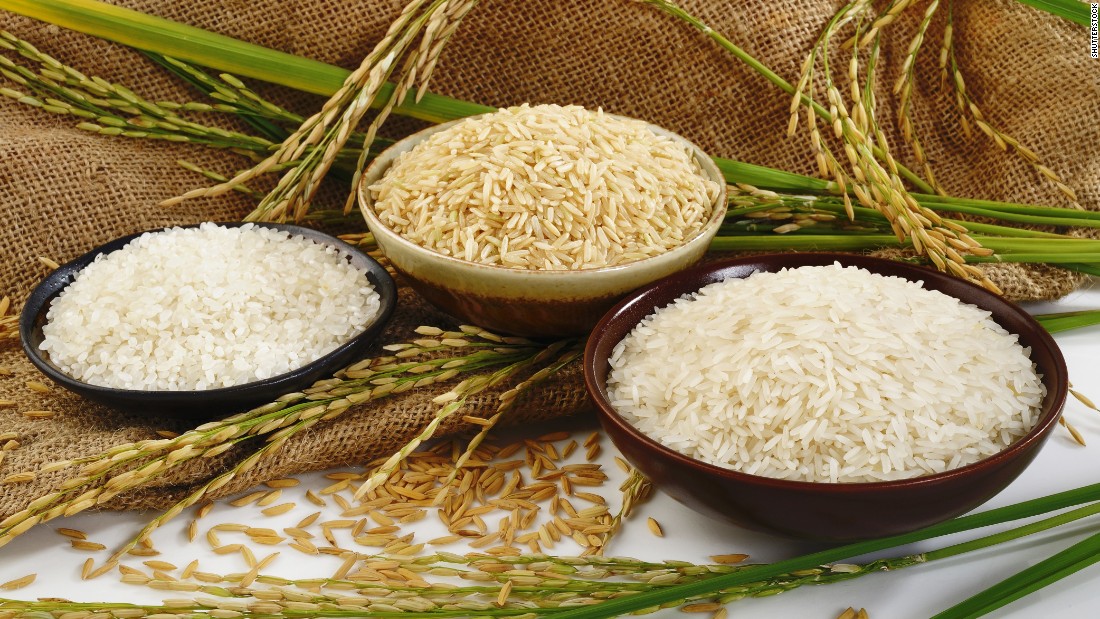
Back in March, I wrote a blog post about rice. Although the topic was informative, it wasn't the most timely post as March is all about Spring and when I think of spring, I don't think of rice as my food of choice.
But now that we are in the middle of summer and the days are long, and packed with training and other activities, rice is the perfect "quick" and healthy food for anyone, but especially for athletes who are busy, exhausted and in need of fuel.
Here's the article for your viewing once more and if you missed it, happy reading!
But now that we are in the middle of summer and the days are long, and packed with training and other activities, rice is the perfect "quick" and healthy food for anyone, but especially for athletes who are busy, exhausted and in need of fuel.
Here's the article for your viewing once more and if you missed it, happy reading!
---------------------------------------------
For almost half the world population, rice is a staple food.
But for much of the US population, rice is seen as a "bad" carbohydrate
But for much of the US population, rice is seen as a "bad" carbohydrate
There are many varieties of rice but what they all have in common is that they contain carbohydrates, protein, trace amounts of fat and sodium and are gluten free.
Compared to white rice, brown rice is often viewed as the "healthy" rice. Whereas white rice appears to be nutritionally inferior to brown rice because it is a refined grain (bran and germ are removed during the milling process which removes B vitamins, iron and fiber), white rice is typically enriched with iron and B vitamins. Unlike brown rice, containing 3.5g of fiber per cup (cooked), white rice has less than 1 gram fiber. The noticeable difference between brown and white rice is that brown rice is a whole grain (the bran and germ are retained, which means it offers a good source of antioxidants, vitamin E and fiber).
But having said this, athletes should recognize that fiber is often the culprit of many GI issues during training and racing. Thus GI-distress susceptible athletes are encouraged to reduce fiber (and fat) in the 24-72 hours before a race to minimize the residue in the gut. While 3.5g of fiber may not appear to be a lot of fiber, some athletes are more sensitive to fiber than others. Considering that white rice can be eaten alone or mixed with honey, syrup, eggs or even peanut butter to make for a great meal or snack - in training and or before a race - many athletes rely on rice as it is a cheap, easy to find, easy to prepare and easy to digest carbohydrate source. For me and Karel, we always have a bag of rice in our pantry and we often buy the 90-sec micorwave bag of Jasmine or Basmati rice for when we travel to a race.
Although the lower fiber rice options are ideal before/after training/racing, let's not stop at white rice and brown rice. There are many varieties of rice that are great in the daily diet of athletes. Understanding that rice is often consumed with other nutrient dense foods, like fruits, vegetables, legumes (beans and peas), nuts, seeds, lean meats, poultry and seafood, I encourage you to include this low cost, versatile ingredient into your diet as it is easy to incorporate into any dish. I recommend to prep 2-3 rice varieties ahead of time (~2 cups cooked per person) and store in the fridge so that you have your go-to rice options available to you anytime of the week.
Tips on cooking rice
- The shape and length of the rice kernel (short, medium or long grain) determines its texture when cooked, in addition to the type to use in dishes and cuisines.
- Long-grain, which cooks light and fluffy with the kernels separated, is often used for making pilafs, stuffing, rice salads and jambalaya.
- Medium grain is moist and tender, commonly used for making paella and risotto.
- Shorter grain rice is short with rounder kernels and becomes moist and "sticky", making it a great option for rice puddings, desserts and eating with chopsticks.
Here are the suggested cooking times and water/rice ratio for rice varieties:

Types of rice varieties
- Basmati - An aromatic long-grain rice grown in India, Bangladesh and Pakistan. Basmati comes in white or brown varieties. It has a distinct flavor and aroma and produces a tender, fluffy texture and grains do not stick together. It is often used in curries and stir-fries, but is also great for side dishes.
- Brown - Available in short, medium and long grain varieties, a half-cup brown rice equals one whole-grain serving. It contains more magnesium, selenium and fiber than enriched white rice and can be eaten as a breakfast cereal, used in sushi and puddings.
- Arborio - A medium or short grain rice with a high starch content used to make risotto. Arborio is also used for rice pudding and other desserts.
- Red - This whole-grain rice is rich in nutrients and high in antioxidants due to its varying hues of red color. It is available as a long-grain variety from Thailand and a medium-grain from Bhutan. It's nutty, chewy texture lends well to rice bowls, pilafs, rice salads and stuffings.
- Black - Also referred to as "purple" or "forbidden" rice, the dark hue of this grain is due to its high anthocyanin content. It is a whole-grain rice available in both short and long-grain varieties. The short-grain variety is often used to make sticky rice porridge and rice pudding.
- White - Available in short, medium and long-grain varieties, most white rice in the U.S. is enriched with thiamin, niacin, folic acid and iron. Avoid rinsing white rice before and after cooking, in order to keep the nutrients from being washed away.
- Jasmine - Originally from Thailand, this rice has a distinctive floral aroma and nutty flavor that pairs well with Mediterranean dishes. It cooks tender, light and fluffy and is available in both white and brown varieties. Steaming, rather than boiling, provides the best results.
- Wild - Despite its name, wild rice is actually not rice at all, but a semi-aquatic grass species indigenous to North America. Its long, slender, dark kernels have a nutty flavor, chewy texture and contain more protein than white and brown rice. Wild rice is often mixed with brown rice or bulgur wheat, and it pairs well with fruits, nuts, meats, poultry and fish in salads, soups, stews and pilafs.
Information from this blog was adapted from Food and Nutrition magazine. May/June 2013 issue. Pg 16 and 17, written by Rachel Begun, Ms, RDN, CDN.