We’d love to hear from you.

We welcome your thoughts, experiences, comments, suggestions, questions or personal stories. If you don't hear from us right away, please note that your email is very important to us. We will do our best to respond with 24 hours.


Greenville, SC

Trimarni is place where athletes and fitness enthusiasts receive motivation, inspiration, education, counseling and coaching in the areas of nutrition, fitness, health, sport nutrition, training and life.

We emphasize a real food diet and our coaching philosophy is simple: Train hard, recover harder. No junk miles but instead, respect for your amazing body. Every time you move your body you do so with a purpose. Our services are designed with your goals in mind so that you can live an active and healthy, balanced lifestyle.

Blog

Filtering by Tag: ironman training

Traincation with a training partner

Trimarni


I've known Jen for several years. She lives in Jacksonville, FL and we used to live in Jacksonville. During Gulf Coast 70.3 in May, she ran passed me during with a phenomenal performance, winning our age group. After the race, I messaged Jen and asked her if she wanted to come to Greenville to train with me for a "traincation." 

Jen and Stephen are training for Challenge Roth on July 7th. Karel is preparing for his first XTRI event, Stonebrixiaman in Italy on June 29th and I am preparing for XTRI Norseman on August 3rd.

She talked to her partner Stephen and was able to plan a week away from her three boys to spend in Greenville, SC. 

Although Jen and I are both in our early 40's, we are both still experiencing improvements with our performance. It's really cool to get older and to still feel like you have more fitness to unlock. 

From Wednesday until Sunday we accomplished: 
  • 4 run workouts (35.8 miles)
  • 3 swims (2 pool, 1 open water, 9782 yards)
  • 3 bike workouts (179 miles)
Over five days, we pushed each other. It wasn't a competition, it was teamwork. We motivated, supported and encouraged each other. We pushed each other to surpass limits that we never thought were possible. Neither one of us wanting to be the weak link in our workout sessions helped us find strengths that we could not have discovered on our own. 

I love swimming and biking with others but I always run alone. This was the first time in a very long time that I had a run partner. Jen showed me that I have more in me that I thought was possible with my run fitness. 

Sharing workouts with someone like-minded next to me, going through the same fatigue, purpose and soreness, had such a positive impact on my training over the past few days and I am so excited and motivated to continue with my training. We each have strengths and weaknesses and these differences brought out the best in both of us. 


WEDNESDAY

AM RUN
1:13, 8.70 miles
4 mile warm-up. 
Main set: 8 x 2 min (1-4 steady, 5-9 descend to very strong)


PM BIKE
1:45hr, 27.7 mile road bike bike
Overachievers group ride (over and down Paris Mountain)


THURSDAY 
AM Bike and Run (tri bike)

BIKE:
3:25hr Interval bike (route), 69.2 miles 
Main set #1: 5 x 8 min strong efforts w/ 2 min EZ
Main set #2: 17.5 mile Half Ironman effort 

RUN: 
29:12, 3.63 mile hilly run

PM SWIM
43:28, 3000 yards
MS: 
15 x 100 as (4 steady, 1 EZ, 3 steady, 1 EZ, 2 steady, 1 EZ, 1 steady, 1 EZ) 


FRIDAY 
AM SWIM
Masters swim group 
1:06, 4757 yards (converted from long course meters) 

SATURDAY
AM BIKE AND RUN (road bike)

BIKE
4:52hr bike, 82.8 miles
Started as a group and then Jen, Stephen and I split from the group and did our own ride. 
Karel rode 130 miles! And followed up his 7.5 hour ride with a 1 hour run (averaging 7:07 mile pace). 

RUN
1:01hr, 7.46 miles
1.5 mile warm-up
MS: 3 x 1 mile Ironman effort (turned into half IM effort) w/ 90 sec rest between




Waiting outside for Karel to get home from his all day adventure.


SUNDAY
OPEN WATER SWIM 
Lake Summitt 
33:45, 2000 yards

LONG RUN 
16.1 miles, 2:11 (packed gravel road) 


IM World Championship St. George - quick recap

Trimarni


Three years ago, Karel registered for 2020 Ironman St. George (May). When the race got cancelled due to the pandemic, he transferred his entry to 2021 IM Coeur d'Alene. When he broke his hand mountain biking in May 2021, he was able to transfer his entry back to 2022 Ironman St. George (May). When it was announced that the 2022 Ironman St. George event would be the '2021' Ironman World Championship event, Karel was automatically entered into the World Championship event as a registered IM St. George athlete. 

After finishing my 5th Ironman World Championship in Kona in 2019, I wasn't mentally ready to commit to preparing for a May Ironman. Instead, I was happy to support Karel on the sidelines in St. George. In July of 2021, I won my age group at IM Lake Placid. I let my slot roll down for the 2022 Ironman World Championship in Kona as I no longer have ambitions to race there. I'm honored and satisfied with my 5 Ironman World Championship finishes on that island. 

Fast forward to January 2022, when the course was announced for the Ironman World Championship in St. George, I took a look at the course and elevation on the bike and run and immediately wanted to participate in the race. Not because it was a World Championship event but because I love challenging and tough courses - and I love racing in St. George. After feeling a bit of FOMO that I didn't register for the event when it was open to general entries, a few weeks later Ironman sent out emails to All World Athletes for the opportunity to register and participate in the Ironman World Championship in St. George. With this being the first World Championship outside of Hawaii - and during the unpredictable circumstances after the pandemic - the added entries were a way to help add more participants to this unique event situation. I quickly chatted with Karel and without hesitation, I paid for my entry and registered for the event. 

The past few years have been interesting for us. As experienced and accomplished long distance triathletes, the pandemic served as a page change for a new chapter in our life. With our normal triathlon training and racing routine disrupted, we saw this as a special opportunity to try different things. Thanks to triathlon being three sports, we took advantage of our swim, bike and run fitness (and experience) and jumped into different swim, bike and run events. This change provided us with new motivation and excitement for training but more so, it taught us that we are healthier and happier when we pursue different challenges and adventures - specifically outside in nature. 

With Karel enjoying mountain biking, gravel biking and Xterra racing, he didn't want to stop having fun with these different sports (and races) just because he had an Ironman on his schedule. For myself, having registered for the event in February, I didn't feel the pressure of this event looming over me for several months. With a tremendous amount of experience, resiliency and success in long distance triathlon, Karel and I decided that we would take a different approach to preparing for this event. We didn't want to give up the recent sports that brought us great joy so we found a way to incorporate them into our structured triathlon training.

For myself, I did a lot of trail running, group road biking and mountain biking. I love to swim, especially with others. I spent time on the bike trainer (tri bike) every week but focused on more high intensity and/or steady state workouts. I never spent more than 2 consecutive hours on the trainer over the winter/spring. Instead of spending long hours inside (or outside) on the tri bike, I spent a lot of hours outside biking on different types of bikes. And with being new to mountain biking, every ride gave me a nice mix of intensity, endurance and skill work. My bike handling skills have never been better. Because our terrain is very hilly and challenging, I focused more on strength-based sessions instead of trying to get faster with speed work. I never established training zones (no power test) and I haven't worn a heart rate monitor since last September. Every workout was by feel (perceived effort). I use sport nutrition in every workout and I ate before every workout - those are non-negotiable for me. I ate more calories in my daily diet than I've ever eaten before. I did a lot of mobility work and strength training. Most of my runs were brick runs. I gave myself new workouts like run/bike/run or bike/run/bike/run. I kept myself healthy and injury free for over 3 years and that meant 3 years of consistent training. I did several 2 hour runs (most including trail running) and my longest bike rides were around 4-5 hours (with 2 of my longest rides on the mountain bike - 5+ hours). As I got closer to the event (last three weeks), my workouts became more "race specific" and I really focused on perfecting my fueling strategies for bike and run. I've been coaching myself for the past few years and I give myself workouts that target my strengths and my weaknesses. 
 
For Karel and myself, we were excited to see how this different training approach would pay off at the Ironman World Championship in St. George. To be honest, we both felt extremely fit, strong and healthy - even if our training was very unconventional. We didn't feel any pressure to perform at this Ironman and we didn't feel like we needed to change our training to deliver a 'World Championship' worthy performance. 

Having said this, we trained a lot (swim/bike/run) but it just looked very different than what we did in the past. More than anything, we were having fun, enjoying the process of training and always focusing on the little details to keep us healthy. We never let the stress or pressure of the Ironman get to us. I believe this helped us stay healthy in mind and body. We never felt burnt out and it was nice to have something different to look forward to each week with the incorporation of trail running, mountain biking and more high-intensity swim/bike/run workouts. I gave myself some challenging sessions and I really enjoyed doing new things and testing my body in different ways. It was refreshing to have a different approach for my 18th Ironman (Karel's15th) and we both trusted our training that we would be prepared to race for 140.6 miles. 

I've achieved a lot in the sport of triathlon over the past 16 years. Participating in the Ironman World Championship in St. George was not about needing to prove something but to enjoy the adventure with my body and mind. Going into the event, I knew that my training needed to reflect this mindset shift. The sport of triathlon is very important to us but our results do not define who we are as humans. I had no expectations and I was there for the experience. But to stay competitive, we can't keep doing the same things over and over. 

I've always been one to challenge the "norm." I challenge the ideal body type, I challenge the normal Ironman training preparation and I challenge the ways that triathletes fuel for long distance triathlon. Endurance and resiliency takes time to build. It's not acquired over a few months but many years. And when you do build that strong endurance foundation, adding to it won't necessarily make you a better athlete. If anything, it can bring on injury, health issues, a plateau in fitness and burnout. The more experienced you get, the more you need to find ways to change things up - recognizing that getting faster can't be the primary focus. You have to start doing things smarter - like nutrition, mobility, sleep, movement efficiency, fueling, technique and bike handling skills. 

My self-identity does not revolve around triathlon. I am a triathlete but I don't want to be remembered for my wins. I want to inspire others by my 'health first, performance second' approach to training and racing. I want to show other athletes that there is not one right way to train and race. When it comes to training, you have to work with your body, your lifestyle and your current fitness. You have to find joy in the process and not obsess over an outcome. 

Far too many athletes put too much energy and focus into the "long" workout miles, forgetting that the Ironman is a strength-based sport requiring exceptional health and good application of sport nutrition/fueling/hydration. You have to be strong, you need to know how to take care of your body under massive fatigue/intense weather conditions/challenging terrain and you have to be able to endure a lot (in mind and body). You also need to know how to listen to your body, make quick decisions and not overreact. You don't achieve this from checking off the long training sessions on the weekends but through years of consistent quality training and from a lot of racing experience. You'll never be able to go through the same motions and emotions in training as you do on race day. 

Training for an Ironman is not easy. It requires a lot of time, energy and focus. But it doesn't have to be all-consuming, destroy your health and negatively impact your life. A smart approach to training ensures that you are prepared for the race - not just physically but mentally, skill-wise, terrain management and nutritionally. Don't assume that there is only one way to train for a long distance triathlon - there are many different paths to take and what works best for someone else may not work well for you. And if you are experienced, don't burn yourself out by doing the same training year after year.

Karel and I are very proud of our performances at the St. George Ironman World Championship event. We took a different approach and it paid off. We both felt strong and healthy all day and most importantly, we had fun, we enjoyed the suffering and we gave our best effort on the day. 

Marni - 10:53.16. 5th AG (40-44)
2.4 mile swim: 59:58 (1st AG)
T1: 5:22
112 mile bike (~7200 feet elevation gain): 5:45.38 (2nd AG)
T2: 5:01
26.2 mile run (~1500 feet elevation gain): 3:57.17 (5th AG)


Karel - 9:58.48, 11th AG (45-49)
2.4 mile swim: 1:00.11 (11th AG)
T1: 5:42
112 mile bike (~7200 feet elevation gain): 5:28.50 (19th AG)
T2: 3:30
26.2 mile run (~1500 feet elevation gain): 3:20.35 (1th AG)


Race Report coming soon......


It's Ironman Lake Placid Race Week!

Trimarni


2013 Ironman Lake Placid - Karel's first Ironman.

It's been a long time coming.

It's finally Ironman Lake Placid race week. 

My last Ironman was in October 2019.....the Ironman World Championship. Although it feels like forever ago since I've raced in an Ironman, I have participated in all different types of endurance events, from gravel racing and the 6-Gap century ride to a 3-day coast-to-coast, Xtreme Triathlon event and off-road running. 


Every Ironman triathlon journey is different. Not just the training, but how my body responds to the training in the context of my life.

With only 5 days until Ironman Lake Placid, I’m incredibly grateful to my body for allowing me to consistently train for my 17th 140.6 mile race. I never take a start line for granted, especially when I am healthy and injury-free.

I no longer feel like a beginner but I still have great respect for the Ironman distance. I know how important it is for the body and mind to work together as you can’t make your body do something that the mind doesn’t want to do.

For me, Ironman race day is a day of self discovery. I love that you don’t have to be fast to have a successful day, you just have to be really good at not slowing down.

The Ironman is all about staying present, being proactive, troubleshooting, nailing the small details, focusing on the mile you are in, keeping the body fueled and hydrated, not letting your mind get overwhelmed by the distance/weather/competitors and most importantly, always finding a way to move forward until you reach that finish line.

Here's a look back at some of my 2021 training stats: 


SWIMMING
Longest swim: ~6300 yards
Typical weekly swimming yardage: ~13,000-17,000 yards. 
Primarily long course meters (as of May).
👉Favorite goggle choice right now: TYR Special Ops 2.0 (clear and polarized)


BIKING 
Longest bike: 2 x 10⁵ mile rides
  • February 20th: Thomasville Clay Road Classic (6:47, ~4000 feet elevation gain)
  • April 25th: Meals on Wheels recon ride w/ friends (6:12, ~8000 feet elevation gain)
👉Typical weekly biking hours/miles: ~8.5-9.5 hours/130-150 miles
👉Average "long" ride length: ~4 hours
👉What type of bike did I train on? Triathlon bike ~55% of the time/Road bike ~45%/Gravel bike ~5%.
👉Most memorable rides: Overcoming two gravel crashes (within two weeks) and completing 7 of the 8 GVL WBL group rides. 


Running
Longest run: 
  • June 20th: 2:12 (16 miles): Ironman Pacing, race simulation run. MS: 90 min as: 1 mile IM effort w/ 20-30 sec walk/reset between). 
  • July 4th: 20.6 miles total (double run day): 13.3 miles (1:47) in AM (MS:1,2,3,4,5,4,3,2,1,5 min faster tempo w/ 1 min rest, jog or walk between), then 7.34 miles (1:04) in PM.
👉Average weekly running mileage: ~40 miles/week (~5.5 hours)
👉I almost always run 3 days in a row, but never more than that (except at our camp I ran five days in a row). One to two runs a week are stand alone runs (no bike before) and I do at least 2-3 runs a week off the bike. I always include walk breaks when I run.
👉Current favorite running shoe: New Balance Fuel Cell RC Elite.


Biggest Training Load week:
👉June 21st
20 hours and 24 minutes
17292 yards swimming (4 hours and 25 minutes)
10 hours and 12 minutes biking (172 miles)
5 hours and 48 minutes running (41.9 miles)

Racing block (April - June)
👉3 x 70.3 distance events in 7 weeks (two of which were within 2 weeks of one another).

Most difficult brick (bike/run) workouts
June 19th 
👉4:25 ride/75 miles (~5500 feet elevation)
1st hr: aerobic warm-up
2nd hr: Alternate 10 min moderate-strong / 10 min aerobic
3rd hr: 20 min Ironman effort/ 10 min EZ x 2
4th hr: climb Saluda grade
Everything after: Steady strong 

Run off the bike
👉1:06/8.29 miles (~1100 feet elevation gain)
WU: ~15 min form focused running
1 min walk/jog then:
MS: 3 x 1.5 mile at strong and sustained effort w/ 2 min EZ jog/walk in between.
CD: EZ jog

-----------------

June 23rd
👉1:36 trainer ride: 
WU:
15 min EZ spin
10 min build the effort by 2.5 min to Z3+.
2 min EZ spin
MS:
6 x 5 min at strong sub threshold effort (Z4) with 3 min EZ spin following each.
then
20 sec all out spring/very fast cadence / 2:00 min EZ spin
CD: 8 min EZ spin to flush the legs.

Followed by: 
👉1:21 (10 mile) run
MS: 3x
3 mile descend #1-3 to and over IM effort (by mile), each with 1 min reset walk in between each 3 mile segments. 10 sec walk between each mile. 
CD: EZ jog


Personal Accomplishments: 
  • Maintained normal hormonal health (regular monthly menstruation).
  • No sickness/illness.
  • No injuries/physical setbacks.
  • Maintained joy for training.
  • Consistency with training.
  • Met new training partners and strengthened friendships with current training partners. 
  • Purposeful and structured training.
  • Kept training fun. 
  • Listened to my body. 
  • ~80% workouts outdoor (bike/run).
  • Stayed up with daily mobility. 
  • Never felt like training was taking over my life. 
  • Used sport nutrition for every workout, no fasted training (ate before every workout).
  • First gravel ride (and race), first trail running race. 
  • Overcoming two gravel bike crashes.
  • 2nd overall female at Roanoke 70.3 (by 2 seconds).
  • 3rd overall female at Chattanooga 70.3.

2021 Trimarni Endurance Training Camp Recap

Trimarni


DAY ONE
As with many of our campers, we had to change our tentative training schedule due to weather. With tropical storm Elsa making her way up from Florida, the weather forecast had us worried. To play it safe, we swapped a few things around and thankfully, it all worked out. 


We started the morning at 9am for a 75-minute long course swim workout at the Westside Aquatic Center. We reserved three lanes for our campers. We like to start each camp with a swim workout as it's a nice way for the athletes to settle into camp and to release any nerves or worries. We mostly focused on technique with a series of drills w/ toys (ex. snorkel, buoy, fins, paddles, kick board) and finished with some open water specific work (ex. sighting). 


After the swim, the campers had a short break before we met at Trailblazer parking lot around 11:30am. Most of our campers stayed at the Swamp Rabbit Inn in TR, which was just a 1/2 mile from where we started and finished our bike/run workouts at Trailblazer Park. Hoping to miss the predicted afternoon shower, we had a quick turn around from swim to bike. The athletes were advised to have a recovery snack and meal after the swim but the main recovery would happen in the late afternoon/evening due to a packed first day of camp. Campers also had a varied mix of sport nutrition products from NBS, Infinit, Skratch and other various products that I collected from Run In to keep our athletes fueled and hydrated. 

We biked out on the trail to the country roads, headed toward Marietta and then to Pumpkintown. Right on River Road and we made our way to River Falls. I absolutely love this 5.6 mile loop that I discovered during our last GVL WBL group bike ride.  The loop has a little of everything - a climb, descend, a flattish fast section and then a section to recover. We broke into small groups to keep everyone safe getting out to the loop and then we did 3 loops on the course - the first was a get-familiar loop, then heavy gear on the climb and then a 'best effort' time trial. The campers did amazing. To make things even more fun, on the last loop, we had our campers do the climb twice so that they finished on the top of the climb at Eedee's car. After the ride, we made our way back to Trailblazer Park for a run off the bike. The bike was ~3:20 and ~56 miles and close to ~3000 feet elevation gain. Everyone did a great job managing the terrain. 


For the run off the bike, we had everyone do a 45-min form focused run. The loop was 1.3 miles and they reversed direction at the end of each loop so that they could see one another and cheer each other on. Although they were tired from the first full day of camp, everyone did a great job focusing on good form, fueling, hydrating and rhythm on our undulating terrain. We always encourage our athletes to take "reset" walk/stop breaks so that was a theme throughout our entire camp to help reduce the residual stress to allow for good form running. 


Day one ended just before 5pm, which made for a packed first day. 

DAY TWO

We had another swim on the schedule for day two but a bit earlier to start the day. The campers arrived around 7:40am for a 8am-9:15am long course swim workout. This swim was a bit more specific so after warming up and spending some time on technique, it was time for the main set - which was a ladder or pyramid, depending on the lane/fitness abilities. After the swim, we all headed over to Furman for a run workout. We parked near the amphitheater which allowed us to be close to bathrooms, and our cars, so that everyone could stay well fueled and hydrated throughout a very humid, 75-min run workout. We started with an easy jog around the lake and then woke up the posterior chain with 3 rounds of hill strides (10, 20, 30 sec w/ easy jog down). After the hills, another jog around the lake and then it was time for the main set. The campers had a steep hill to climb on the back side of the Furman lake, followed by strong running downhill. Then to the bell tower and back where this section was a reset. Each loop was a little over 1/2 mile and they repeated the set for three times total. Afterward, another loop around the lake for a quality 75-minute run workout. 


We gave the campers a little bit of time to rest, recover and refuel before an afternoon bike session. We met at 1:30pm at Trailblazer park and headed out the same way that we did on day one and headed to our ~5 mile loop. Our campers did two loops working on terrain management but overall, this was a lower stress ride. Although our terrain is never easy and brings effort no matter where you ride (unless it's the swamp rabbit trail), we wanted our athletes to finish the ride feeling better than when they started (which they were all pretty tired when they started). Somehow we missed the rain as the sky was turning pretty dark. We finished the 2.5 hour ride around 4:30pm which concluded day two of camp. 


DAY THREE


It's going to be a great day of camp when you get to swim in the open water at Lake Jocassee. We all caravanned to the lake and parked at the Kayak station off Bootleg road. We started the morning with a 70-minute open water swim workout. After a 10 min out and back warm-up in the cove, the athletes did 2 x 20 min loops (with sighting "polls") with a little rest in between. We then finished with 3 short out and back sections around a poll as build to strong. After the swim, it was time for a run. 


There's no getting around it but a run at Lake Jocassee is going to be hilly. Really really hilly. Our athletes had 3 x 30 min out and back loops with each loop starting on a big long hill out of the parking lot. The loops were as follows: Steady, strong, steady. Walking was absolutely allowed and encouraged. The weather started out hot and humid but we were greeted with a wonderful downpour on the last loop of our run. The athletes were very strong and never gave up. We had planned to enjoy a dip in the water too cool off after the run but the rain shower took care of that for us. 


As for the afternoon, the campers were encouraged to rest, relax and refuel. Several of them made a visit to Run In to visit Dane - our shoe fairy :) Then it was time for our traditional camp pizza party (with 10 delicious pizza's from D'​Allesandro's).

DAY FOUR


With this being day four, our campers were very sore and tired but they also brought a bit of excitement to the workout as it was the last day of camp. We left Trailblazer Park around 7:45am and headed out the same way that we had gone the past two rides. We continued on Pumpkintown to the very end and crossed Hwy 11. We had a quick SAG stop at the gas station before we started our 12-mile "climb" to the Eastern Continental Divide. We picked this route  as it has a lot of characteristics similar to the Ironman Lake Placid bike course. The 12-mile segment to the divide has three distinctive sections. The first is a 3-ish mile section with several switch backs. Then we have a ~3-ish mile section of longer rolling hills and descends. Once we cross a bridge, the last section of 3.8 miles is the longest and most steady section of climbing. After everyone made it to the top, we regrouped and headed back down. Whereas it took the campers at least an hour to 75 minutes to get to the turn around at the top, it was a fast and fun ~40 minutes (or less) to return back to the gas station. Several of our campers are still gaining skills and confidence on downhills so we helped them out, especially on the switchbacks and steeper segments. I had a big sigh of relief when everyone made it back to the gas station/SAG stop in one piece. We then headed back for the last 22 miles to conclude all of the biking at camp. The campers finished with ~71 miles in ~4.5 hours of riding (with ~5000+ elevation gain). After the ride, a 2.5 mile loop (with one last big hill because, why not :) + extra so that everyone finished the run together with around 25 minutes of running. 


We are so proud of our campers. They really impressed us. Although this camp was by design, an intentional training overload, our campers would not have been able to safely tolerate this load without all of their consistent, previous training. Camp, like racing, is the fun part where you get to showcase your hard work...most of which is lonely, monotonous and tough because it occurs behind-the-scenes, when no one is watching. 


Stay disciplined, not obsessed

Trimarni


I've been here before, I know the feeling......sixteen times before I've questioned why I do this sport around 3-4 weeks out from Ironman race day. 

That final prep in the Ironman journey is always a tough time. 

Whereas my previous racing block (three 70.3's in 7 weeks) kept the motivation high for training, the past three weeks have been all about embracing the grind. I'm extremely thankful that I have not had any physical setbacks since the summer of 2019 and after 15 years, I am still passionate about long distance triathlon training and racing. A lot of that comes from having such a great playground for biking and running. But that doesn't mean that this last training block was smooth sailing. 

There was self-doubt, there was fatigue, there was soreness and there were some niggles. But through it all, I've been consistently showing up and letting my body and mind work out their differences. However, on Friday last week, my body said "not today" and my mind agreed. I enjoyed the entire day off from any type of exercise and it felt amazing. It's funny how life gives you recovery days when you need them the most. 

As I countdown the weeks until Ironman #17, I can't help but think about the discipline that is needed to train for a 140.6 mile event. It takes a lot of focus, resiliency and persistence. While the motivation is high at the beginning, you really have to keep your "why" in mind when the real fatigue sets in. 

Every athlete needs a high level of dedication, passion, desire and commitment in order to perform at a high level or to physically meet the demands of a long distance race. For many athletes, the motivation to athletically succeed is borderline obsession. Since training for an athletic event may resemble excessive exercise, you may forget your "why" and instead, be grinding along with an unhealthy obsession.

For every athlete, it can be difficult to understand whether or not your discipline and struggle is "normal." 

Since training requires placing intentional training stress on the body, it's important to recognize that something is not "normal" when training becomes unenjoyable and instead, feels like a chore or obligation.

Training for an Ironman should not be combined with feeling the need to control everything - from metrics to body weight. I've learned a lot from Ironman distance racing and one thing comes to mind - you can't control what happens during a 140.6 mile event. For the athlete who is seeking performance gains, it's completely normal to be disciplined to your training. Persistence and consistency are two sure ways to gain fitness and confidence for race day.

However, tying self-worth to physical performance and/or a body image, while obsessively comparing your fitness, metrics or body image to another athlete (or a past version of yourself) is a sign that training is an obsession. 

As a sport dietitian who often works with athletes who are experiencing the negative mental, emotional and physical consequences of severely altering the diet and training excessively in route to an ultra endurance event, it's important to explore the shift, when a natural desire to be better turns obsessive and excessive.

Passion turned obsession

  • Overexercising to the point that fulfilling sport-related goals become more important than almost anything else in life.
  • Training is specifically used to control body weight.
  • Training provides a sense of power, control and self-respect.
  • Constant obsession with food and weight.
  • Refusal to miss a workout no matter what.
  • Difficulty/inability scaling back workouts due to sickness, injury, fatigue or poor sleep.
  • Conflicts between family, friends, kids and/or training partners or feeling alienated.
  • Anxiety and guilt when a workout is missed or if exercise volume isn't high "enough".
  • Little to no enjoyment for exercise, but continues to train/exercise anyways.
  • Haphazard training with little structure/quality to training.
  • Self-worth is tied to physical performance, race results, training metrics or body image.
  • Constant comparison to other athletes (ex. Strava, social media).
  • Lack of satisfaction with personal achievements.
  • Rigid food rules and dietary restriction.
  • Feeling out of control in many areas of life.
  • Denial that there is a problem.
  • Never feeling good enough.
Understanding that it is very difficult to differentiate between "disciplined" and "obsessive," I encourage you to explore your current lifestyle (and mindset) to determine whether your current eating patterns and training regime is serving you well. Yes, you will need to make a few extra sacrifices at times in your long distance training journey but the global context of race day readiness should not feel like an addiction. 

To get to the root of your "why" explore your feelings of self acceptance and athletic worthiness to understand if your body image struggles and/or exercise obsession is tied to your body image, lack of self-believe or poor self-esteem.

Training for an athletic event should be a challenging. It's not going to always be easy. But it should also be a fun and enjoyable experience for your body, AND for those around you, who care, love and support you. Sport does not discriminate among body types or fitness levels. If you have recently found yourself paying more attention to your appearance, metrics or race goal than to your own health or enjoyment of the process, your desire to become a better athlete may have shifted into an unhealthy obsession. Too much of anything can be negative so it's important to be able to differentiate between an unhealthy addiction to exercises versus a healthy discipline to train. 

Performance focused: Are you exercising or training?

Trimarni


I think it's safe to say that most endurance athletes love physical activity. Certainly it would be difficult to train for a long-distance event if there wasn't a strong passion for working out. But with great enthusiasm to exercise comes a caveat - just because you are exercising, this doesn't mean you are becoming race ready. 

Exercise (or physical activity) is commonly defined as anything that requires you to move your body and burn calories.

Training is viewed as working toward adequate levels of strength, endurance, speed and/or power for successful participation (and completion) of an athletic event. 

To make the difference easier to understand, exercising satisfies an immediate need and is done for the effect is produces today. Exercise is done for its own sake - either during or immediately after. But when you have a specific performance objective in mind (ex. preparing for an event), you must change your physiology to prepare for the demands of your event. 

Although all training is exercising, not all exercising is training. 

Training is done with the purpose of achieving a long-term performance goal. Training is a process that must be planned out to produce specific results. It's methodically organized with great thought and understanding of human body.  

Preparing for an endurance event requires a specific type of physiological adaptation. Every workout needs to have a purpose. Not all workouts require intervals or high intensity efforts but there needs to be a motive behind each workout in the plan. This is training. There's nothing wrong with working out with the primary objective of getting into shape, improving health or changing body composition, but if the primary purpose of the workout is to only burn calories or do what "feels right" on the day, this not only prevents performance improvements but it can also compromise health and emotional well-being.

The difference between exercising and training is how you approach the activity - not the activity itself. 

Training requires intention, purpose and focus. It requires planning of nutrition, commitment to the task at hand and a smart mindset to listen to the body. If you want to improve your health, exercising will do just that. But you don't have to train for an Ironman distance triathlon or marathon to be healthy. And just because you train for an Ironman distance triathlon or marathon, this doesn't mean that you will remain healthy (or become healthier). Training requires putting your body under a specific type of intentional load, forcing it to adapt through training stress and recovery. Not always is this healthy. That is why training requires so much more than just checking off workouts for the sake of completing a certain number of training miles or hours. 

Although endurance athletes are experiencing many changes to life, training and mental health during the pandemic, I do worry that many endurance athletes have turned into exceptional "exercisers." While it's great to stay physically active during a time of cancelled races, if you are seeking short or long-term performance improvements, there needs to be a systematic plan in place - with purpose and intent. Exercising your way through high volume, intense or random workouts will not give you the results that training can offer. More so, health can be compromised if you are not focused on the factors that can help your body safely adapt to training - like daily nutrition, sport nutrition, sleep, stress management, hydration and recovery.

Training takes work, it requires a committed mindset, it involves diligence with lifestyle habits (outside of training), results are not quick to achieve and it requires a certain amount of "embracing the grind."

But, with a structured plan and long-term goals in place, every training session provides an opportunity for growth and development.

And this is why training is fun - achieving a performance result when it truly matters, while also keeping the body in great health. 

IM Kona: All checked in!

Trimarni


Now that it's race week, the training volume has dramatically decreased whereas the craziness of the town has dramatically increased. Every day there is something to do, see and visit - but we are resisting the temptation. It's far too easy to see/do everything that is offered during IM Kona race week but with that comes lots of time on the feet and out in the hot sun.


As for training, on Monday we started our 80 minute ride from the energy lab. After a warm-up, we did 4 rounds of 20 sec burst and then 1:40 easy pedaling. Then after 6 minutes of easy spinning we did 2 rounds of 10 minutes at IM effort w/ 3 min EZ. Then cool down. It was a perfect set to wake-up the legs. After the ride, a quick and easy 20 minute run. I managed to keep an average heart rate of 130 bpm for the run.


In the early afternoon, we drove to the high school pool and did a 3000 yard workout. Luckily, the pool was not as crowded as last week so we were able to do our planned workout:
800 warm-up
2 rounds of 100 smooth/25 fast, 75 smooth/25 fast, 50 smooth/25 fast, 25 smooth/25 fast (continuous) with rest between the rounds. First round was with buoy and second was no toys. After that, 600 yard buoy and paddles. Then 3 x 200's broken as (2 x 100s, 4 x 50, 8 x 25). Then cool down.

Since we had two of our athlete with us (and a friend of a friend), we had to re-visit Gypsy Gelato again. Oh it was so good!


Tuesday was a recovery day or a day off. It's hard to do nothing here so our coach gave us the option of a spin or a swim. So we decided to do a 1000 yard swim with a 500 yard swim to the coffee boat in the ocean. They were out of coffee when we arrived to we had a few sips of Clif Hydration. The water is fairly cool, very salty and incredibly clear. There were so many fishies to look at underneath us.


As for the rest of Tuesday, we checked in and picked up our gear bags/swag. It's quite the process to check in at the Ironman World Championship as there is a series of tables to visit and lots of volunteers helping out. The guy who helped me out was participating in his 15th Ironman Kona and his 53rd Ironman! And he is in Karel's 40-44 age group! He was super nice.


After checking in, we walked through the merch tent and then went to the expo. The IM Kona expo is overwhelming with so many booths, people and things to see. We spent about 30 minutes in the expo and by the time we were done, we were hot and sweaty - it's super duper hot here! It was nice to see some familiar faces and to say hello to some of the Trimarni team affiliates.


Karel participated in the Parade of Nations - walking with his home country of Czech Republic. IM Kona is always special for Karel as he can connect with other Czech speaking athletes.


I can't believe that we are just a few days away from the 2019 Ironman World Championship. I am so excited to share the course with 3 of our athletes and of course, being able to share this race experience with Karel is extra special (this is our 2nd time racing IM Kona together - my last time racing the event was 2015 and it was with Karel). I am experiencing all types of emotions from excited, to nervous, to excited!


Oh and yesterday was Campy's 12 birthday!! Happy birthday to my furry best friend!! I couldn't imagine living life without you. <3


Don't make these Ironman race day mistakes

Trimarni


On Saturday, I'll be racing my 17th Ironman. It's also my 5th time racing at the Ironman World Championship.

When I completed my first Ironman distance triathlon at IMFL at the age of 24, I was very young, stubborn and naive. Over the past 13 years, I've had many race day successes, failures and lessons learned as a long-distance triathlete. With growth and development (athletically and personally), comes maturity and integrity. Many years of coaching triathletes has also taught me important lessons that can make or break a race day performance. Because your current fitness level can only take you so far, there are certain qualities that can separate you from your competition. The decisions that you make before and on race day have rewards and consequences. Since your race day performance outcome is built from many decisions, here are some common Ironman race day mistakes and how to avoid them before and on race day.

  • Body image - Sadly, we live in a society that focuses on competitive leanness. Many athletes are under the mindset that the leaner or more defined you are, the better you will perform in sport. Some athletes even care less about performance and more about achieving the "look" of an athlete. Rather than seeing the body as the vehicle that allows you to do the incredible in sport, many attempt to achieve a "race weight" through strict eating, fueling and dieting only to become injured, burnout or sick. Successful athletes come in all shapes and sizes. To be successful, you need to be healthy and strong. You need to be consistent with training and you need to take care of your mental health, just as much as your physical health. Restricting food, eliminating food groups or overexercising does not make you a better athlete. It makes you weaker and more fragile. Recognizing that there is no perfect body image (or level of body fatness) that is required for athletic success or optimal health, the way your body looks to perform or function at its best may not match up to the way you think you are supposed to look and this is ok.
  • Comparison - It's often said that comparison is the thief of joy. In other words, comparison is a big part of how we see ourselves - our self-worth. If you find yourself in a daily competition with the achievements, looks, results of others, it's time to direct your energy elsewhere. While you may envy over someone's highlight real, you never know what the behind-the-scene moments look like. You only have so much energy to spend before and race day - why waste it on others. Have less comparison to others and more compassion toward yourself. Although it is inspiring and motivating to see the success stories of others, do not let the triumphs of someone else trump your own personal accomplishments and achievements. Never stop believing in yourself and your own training.
  • Chasing an outcome - We can not control the future but you can control the current moment. Rather than putting all your energy into the results, focus on the present. Let's be honest - many times, life does not turn out how we expect it to. This can be good or bad.
    This isn't a negative way of thinking but don't let your race day success (or happiness) be tied with a specific outcome that you simply can't control or predict.
    Create success now. Learn to be happy with the effort, your decisions and your ability to bounce back from obstacles.
    Trust that with every best effort that you give in your process, you will experience small changes that will bring a favorable outcome. One of the most liberating experiences about racing is having no expectations about the outcome. This doesn't mean low expectations but no expectations. When you have expectations, you become attached to these preconceived outcomes of how things are expected to go. This can create fear and a tremendous amount of pressure. But as any athlete knows, racing is unpredictable. There is absolutely no way that you can expect certain things to happen in a certain way or in a certain time. Things "come up" on race day and you just can't plan for everything. Additionally, when you have expectations and big goals, it's easy to feel defeated and disappointed if you don't meet those goals. Racing is a reward in and of itself for it shows that you put in the work and got yourself to the start line of a race and hopefully, made it to the finish. The last thing you want is to beat yourself up for having a "bad" race because you were so heavily focused on the outcome. While big scary goals help us all get out of bed in the morning and train when there are many distractions in life, it's important to not get attached to an outcome when you are racing for the outcome will fall into place, in the right way, by simply remaining in the present moment and constantly taking care of what needs to happen during each mile of the race.
  • Rigidity - To work out at any cost can do more harm than good. To have to stick to a precise nutrition plan can be risky. A smart approach to training allows for positive adaptations. If you have become a bit obsessed with rules, strict schedules and a perfect plan, I encourage you to become more mentally flexible and less of a perfectionist. I'll share a secret with you - you can still have a "perfect" training session or race, even if everything doesn't go as planned. If you find yourself racing at an intensity that you did not train for and cannot sustain, be prepared for nutrition-related problems. Unfortunately, consuming extra energy gels, sport beans and high-calorie drinks at the aid stations will not give you energy to maintain an unsustainable/untrained effort. Sadly, we can't blame everything on nutrition.
  • Fear of failure - When you don't reach your goals, an effort feels harder than it should or things don’t go as you planned, the disappointment from your performance can easily be interpreted as a “failure.” Once you hold a negative image of yourself and you beat yourself up for lack of success, it's easy to feel less of yourself and doubt your ability to improve.  Fear of failure can be detrimental to your athletic success. Regardless of fitness ability, successful athletes will push themselves out of their comfort zone and take smart risks. While this doesn't mean being careless or making bad choices, it's important to recognize that sometimes your decisions will pay off and sometimes they won’t - but that is part of racing. Taking too many risks is not necessarily a good thing but it is a fundamental component of working your way to success. For many athletes, the thought of making a mistake or having a bad workout or race is so terrifying that they would rather stay in their comfort zone and do as little as possible to avoid the risk of embarrassment or failure. As an athlete, there will be times when you will be challenged. There will be times when you give your best effort and the result will not what you had hoped for. There will be times when you struggle and question why you are doing what you are doing. There will be times when you are in the shape of your life but life gives you a scenario that is far from ideal. When things don't go as planned, welcome this as an opportunity to learn and grow from the experience. You learn by making mistakes. If you want to become better, you need to remove the fear of failing. 

It's IM Kona race week!!

Trimarni

The time has finally come for us to say that it's IM Kona race week!! The town has transformed into a bit of a spectacle but that's all because the Ironman World Championship is a big event for triathletes from all over the world. With signage on buildings and triathletes everywhere, it's an exciting experience to be surrounded by so many like-minded, fit and dedicated triathletes. The picture above is from our condo, overlooking the farmers market and the Ironman Expo. It's always a beautiful site to see the big cruise ships settling in for the day. 


On Friday evening, we ventured out to White Sands Beach (just past the airport) for a relaxing dip in the ocean and some snorkeling (we used our pool snorkels). We timed it perfectly as it was a bit cloudy and in the late afternoon to minimize our time out in the direct sunlight. We have been using lots of sunscreen to prevent burning. 


It was so great to welcome our athlete Ericka to town. This is her first IM Kona (second time to the big island) so it's super fun to share our insider details, tips and tricks that we have learned over the years. We parked at the energy lab and started our ride from there. We did a 1:40 hr ride on the Queen K and included 4 x 10 minute IM effort intervals w/ 3 min EZ spin between. The wind was much less than the past few days so it was much less physically taxing. After the ride we did a 30-35 minute run in the energy lab. Karel and I noticed that our HR was responding a bit better in the heat. I wore my cooling towel for this run and it helped tremendously as it holds water and I could give it a squeeze anytime to keep myself cool. I have also been consuming way more fluids than normal - for a 30 minute run, I go through 10 ounce water and 10 ounce sport drink (skratch). After the brick, Karel and I went to the grocery again to stock up on more food. 


On Saturday evening, we all (including Erick's husband Tim) went for a dip in the ocean. It was super casual as I didn't even wear a swim cap and just had on a two piece bathing suit. We swam about 20 minutes, with stops to look at fishes. It was nice to finish the swim as the sun was setting. 


Sunday morning was a light day of training with only a swim and run. We were done training by 10am, which meant a lot of relaxing for the rest of the day. Since race week is going to be super crazy, chaotic and busy, it was nice to almost feel a bit bored on Sunday. 


On Sunday morning, we walked to the pier around 6am to pick up our packet for the Ho'ala Ironman Training Swim. We have participated in this swim for the past few years and it's always a great way to shake off (or swim off) some pre-race nerves, get fully acclimated to the salty water and to swim in a big mass of triathletes. For this event, the course is almost the exact set-up to the Ironman race day course except on race day, there are more buoys (for this event, there are only buoys on the way out but no buoys on the way back) and on race day, the finish is at the pier entrance. For this event, we finish on the other side of the pier - closer to the King K hotel. 


Karel and I spent about 10 minutes warming up and floating around and positioning ourselves to the outside (left) of the buoys, about 15 yards out. Once the horn went off, it was a fast take-out effort to keep up with the masses. Surprisingly, I didn't get swum over and I felt like I was able to find clean water to keep good swimming mechanics. I swam pretty hard for the first 1000 yards and then settled into a rhythm until the 2nd turn buoy. I reached the 2nd turn buoy and as usual, the water felt much slower with a bit more of a chop. I didn't find the water choppy but it was certainly a bit slower on the way back. Because there were no buoys to sight off of, I was using the tall electrical post behind the hotel for sighting until the kayak/lifeguards were pushing us far left. I wasn't sure if there was some new turn buoy before the swim exit so I followed the pack. But then we started to zig zag back toward the pier so not sure why we were pushed away from the kayak people. Oh well - all good experience to work with others but also to have to sight often. I finished the swim with a strong effort at the end, otherwise, I felt like it was all very strong but sustainable. I was much slower coming back but ended up with a swim time of 58:17. I really wanted to see 57 minutes but maybe that will have to wait until race day. Karel swam amazingly well with his best ever non-wetsuit swim in the ocean of 1:01.21. He really pushed hard at the end but otherwise he felt really good in the water. And our athlete Ericka also did the swim (not as an official participant) and she had a huge PR of 1:02! It was a great day for everyone. 


It was nice to spend some time with the JD crew before and after the swim. Even though we are coached by Cait Snow, we are part of Julie Dibens coaching company which has been great to have 4 eyes watching us (but Cait is the one who designs and oversees our training). We also joined some of Julie's athletes in the energy lab for a post swim run. Karel did 42 minutes and I ran an easy 25 minutes. The goal for both of us was to keep the run very aerobic. Karel was able to keep his HR in the low to mid 140's and I managed to keep my heart rate at an average of 129 bpm - a BIG improvement from the 150+ HR I experienced during my first run on the island. 


As for the rest of the day, it was rather low key. A lot of laying around, spending time on the computer, eating and more laying around. We spent some time with our athlete Roman (Karel's friend from Czech) who just arrived yesterday. We had a light dinner at Lava Java where Roman and Karel enjoyed some Poke with a non-alcoholic beer. I enjoyed a salad with tofu - it was delish!


Training in Kona

Trimarni


Compared to years past, it feels much warmer than before. Although the temperature only reads around 86 degrees in the forecast, it's much more hot under the scorching sun. Coupled with the lava and heat radiating off the ground, it's hotter than hot here. The wind has also been rather gusty. All this said - IM Kona will be living up to its epically challenging standards if it stays like this on race day. 

Since arriving to Kona on Sunday, we have had some quality training sessions on the Big Island. We are staying in town behind the expo/farmers market which makes it easy to train right from our doorstop. However, due to the traffic and debris covering the shoulder of the road, we have been driving away from town to start most of our workouts. Also, because the local Kona aquatic center is closed right now, we have to drive ~20 minutes south of the island to use the local high school pool (which is free).

The biggest adjustment has been the heat - which is the biggest stressor on our body right now. Even though we have been training in the heat, it just doesn't compare to the Kona sun. Our heart rate is much more elevated while running and we consume much more fluids than normal. The salt water is a welcomed change as it's so nice to float without a wetsuit. Plus, the water is really clear which makes for an aquarium feel when swimming.

Our training volume is less than in weeks past but the frequency and intensity is still just what we are use to. This week hasn't felt much like "tapering" because of the added stress of travel, the heat and the wind but next week is rather light with training, which will really help sharpen up our body and mind.

Here's a recap of our training over the past few days:

Sunday: Travel day, no training. A 2.5 hour drive to Atlanta, 5 hour flight to LA and another 5 hour flight to Kona. Arrived to Kona around 9pm Kona time, went to the grocery and in bed around 11pm Kona time.
Monday: 30 minute ocean swim + 1:20 chill spin
Tuesday: 2:20 bike (starting from the entrance energy lab parking lot) w/ 2 rounds of 4 x 5 min at IM effort. Followed by a 35 minute run in the energy lab (with 6 x 30 sec pick ups followed by 20 sec EZ jog, 10 sec walk). Oh and this was my very first run outside since IM Canada and first run workout outside in over 10 weeks! Wahoo!
Wednesday: 30 minute easy jog along Ali'i drive. Then a 5000 yard swim. The pool was very crowded but we shared a lane with a few male pros who kept things very organized so that we could still do our workout. The workout was 15 x 200's in sets of 5, 4, 3, 2, and then 1 x 200 all with 100 backstroke between. We changed up our gear throughout (swim, buoy, paddles/buoy, paddles, swim). It was a tough workout but one we have done a few times before and I really like it. Oh and each set of 200's was descending on a cycle but we had to adjust the cycle to keep things organized in our lane. It was a bit chaotic at times which made for great open water practice.
Thursday: 2:40 bike with 4 rounds of 4 minutes very hard, followed by 15 minutes at IM effort and then another 3 rounds of 4 minutes very hard. We drove to the Mauna Lani parking lot which sits off the Queen K hwy (about 28 miles North of town) to start our bike workout. The nice thing about this location is that it's a closer way to get to and from Hawi and there is a market in the parking lot for post ride food. The wind was incredibly strong but what was more mentally draining was the cross wind. We were both getting tossed around although Karel managed a lot better than me with his comfort level. When we got to the turn at Kawaihae, I decided to turn around and do my intervals closer to Mauna Lani where it was still windy but I was not spending so much energy trying to stay upright on my bike. Karel did his workout in the Hawi section - which he said was very windy but it helped to just push hard on the pedals to keep the bike in a stable position. After the ride, we each did a brick run. I did 40 minutes (Karel did 45 minutes) and the set was 10 minutes easy and then 3 rounds of 5 minutes faster than IM effort, 5 minutes slower than IM effort). After each segment of 10 minutes, I walked for 20 sec. I found it a little easier to control my heart rate for this workout compared to Tuesday although it was crazy hot. I went through 20 ounce of fluid (10 ounce of that was 80 calories Skratch) in 30 minutes so I had to stop and refill my flasks at 35 minutes to make it to 40 minutes. After the workout we stocked up on more food.
Friday: 50 minute ocean swim. The water was a little choppy but I loved every stroke. I just love swimming in the ocean and I am finding it less exhausting in years past - thanks to Cait making sure I arrived to Kona very swim fit! There were several orange buoys set up so we used the first few buoys as warm up and then did several pyramids of 15,20,35, 30 strokes hard each followed by the same amount of strokes easy. This was a nice way to change up the rhythm of the stroke. We swam 25 minutes out and 25 minutes back. After the swim, we both had a massage from our coaches massage therapist which was amazing.

The plan for the weekend is a 90 minute ride followed by a 30 min brick run on Saturday and the Kona practice swim (2.4 mile swim on the course) on Sunday. And then it's race week!!

Here are a few pics from the past few days. You can also check out my social media pages on Facebook and Instagram. Thanks for following along!


IM Kona: 10 day countdown

Trimarni


Hello from the Big Island!! We have reached the 10-day countdown until we participate in the Ironman World Championship (5th time for me, 4th time for Karel)!

I've been meaning to blog for several days but to be honest, I just haven't had time. We have been so busy! Here's a recap of the craziness that has happened over the past week.....

Weekly training recap:
Swim: 14,900 yards (3:29)
Bike: 7:08 hours
Run: 3:05 hours
Strength: 45 minutes
Total: 14:26 hours

  • Started my menstrual cycle and felt horrible for my last few days of training before we traveled to Kona. Blah. 
  • As of last night, I finished editing my 3rd book which is over 44,000 words. I've had several long days and late nights working on the final product over the past six days. Whew, what a relief that this is behind me. 
  • We had over 15 athletes racing last weekend at IM 70.3 Augusta and IM Chattanooga. Because we were traveling on their race day, we were anxiously tracking our athletes during our travel. We are so proud of our coached athletes as everyone finished the race in brutally hot conditions. 
  • I had several nutrition consults last week with my athletes who are still training for their final key race(s). 
  • Madison (our 11.5 year old cat) got an eye infection a few days before we left for Kona.
  • Karel's mom came into town (we flew her to the US) and we were a little nervous about her traveling to the US alone - without speaking the language. Karel picked her up at the Charlotte airport on Thurs evening. She will be taking care of our furry crew (along with the help of my mom) while we are away in Kona and then she will be staying with us until early December. 
  • On the morning of our long travel day (before making the 2.5 hour drive to Atlanta for our first of two 5-hour flights), we walked downstairs at 6:30am to the site of a kitchen full of ants. This has never happened before and of course, it happens just 90 minutes before we are set to hit the road. 
  • It was hard saying good-bye to our furry children. We love them so much but they are also a big part of our daily routine. Our new little edition Ella is filling our hearts with joy and happiness. Madison has bonded with her and Campy is afraid of her. 


  • We are now in Kona and finally settling into a good routine of waking up early (5am) and going to bed early (8:30pm). Although we still have a lot of work to do while we are away, it's nice to work in paradise for a week before the craziness of race week begins on Monday. 


IM Kona: 3 week countdown

Trimarni


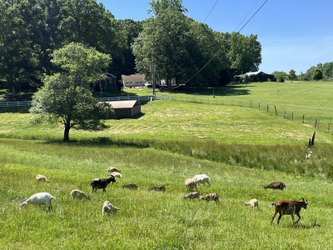
How many sleepy animals can you spot in this picture? 


With only six days left of hard training before we depart for Kona, I feel so grateful that things are finally in a good place for us - mentally and physically. It was an incredibly tough summer but with perseverance, persistence and positivity, we can finally look ahead to our time in Kona with excitement and gratitude. I always believe that where the mind goes, energy flows.

This week was a solid week of training. My body is still tolerating treadmill running, albeit I still have a few tiny niggles with my right hip/leg (things moved from the left side to the right all of a sudden). But these are the niggles that are not overly concerning. I like to say that I am aware but not afraid. Surprisingly, my run fitness feels good and I am enjoying the soreness that comes with pounding on the treadmill.

This was my last big volume week and my body tolerated it well. It was also a very busy week for me (and Karel) with work related stuff (coaching, bike fits, nutrition consults, etc.) so it felt a bit go, go, go from one thing to the next.

My long ride was 5 hours (which I did solo) and included 4 x 30 minutes at IM effort. My long run was 1:45 and I'm happy to report that it went really, really well. Karel has been "coaching" me for my runs for the past few weeks whereas Cait is still overseeing my training load and structure and prescribing my swim and bike workouts. Karel knows me really well so he has been carefully introducing running back into my body. I've been doing a lot of intervals which works really well for my body. For Karel's birthday (which was yesterday), Cait gave us a birthday swim in honor of him turning 43 - 5 rounds of 400's w/ buoy and 3 x 100's fast. It was incredibly challenging! I then ate for the rest of the day. So. Much. Food!

Karel was in a bit of a funk earlier last week as the warm weather really got to him - mentally and physically. We have been in the mid 90's for some time and it was becoming extremely draining on Karel. But with a needed break in the weather, Karel welcomed cooler temps (60-80's) and that brought him back to life. He finished off the week with some great workouts - starting with a solid 5:37 hour bike on Friday, followed by a 45 minute brick run, an easy day on Sat (swim and spin) and then a long progressive building run (1:55) and birthday swim on Sunday.

Weekend stats:
24:54 hours of training
Swim: 20,400 yards (4:58 hours)
Bike: 13:40 hours
Run: 4:51 hours
Strength: 85 minutes

The weather is predicted to be back in the upper 90's for us in Greenville SC next week which will make for one tough week of training before we leave for Kona on Sunday. 

In route to Ironman #16!

Trimarni


The past two weeks has been an interesting ride. While I've been incredibly busy with coaching and nutrition consultations as this is an important part of the season for most triathletes, I did minimal training. After returning home from Ironman Canada/Whistler, I was excited to ease into a week of light training before starting my "official" start of Ironman Kona training on 8/12 (today). However, the universe had a different plan for me as Campy accidentally poked me in the right eye with his nail while he was stretching, which left me with a tremendous amount of pain and discomfort for five continuous days. It wasn't until this past weekend that I finally started to feel better. My mom told me that my dad's greatest fear for me as a baby was our cat Sasha poking me in the eye. Of course, as an optometrist, he would worry about something like that. Here I am 37 years later and I end up with a scratched cornea. Without being too dramatic, this was extremely painful. I couldn't go outside due to the sunlight on my eye, I couldn't focus on anything without experience a bad headache and nausea, I had to squint all day and I even struggled indoors if the light was on. I couldn't even go outside to walk Campy. Ugh, it was a rough week! But thankfully I have healed. Because of this eye situation, I wasn't able to train because I had little energy to do so - and I was instructed absolutely no swimming due to risk for infection. It wasn't until Friday when I was able to finally dip in the pool. I felt a little fitness coming back this weekend but I wouldn't call it "training."

On top of the eye situation, my leg/back is much better but I am still hesitant to run on it. I am not in pain and I feel I've made a lot of great progress but I don't want to take any risks right now. I am working with several specialists to help me re-learn some movement patterns, fix my twisted pelvis, relax my tense muscles and overworked hip flexors/hamstrings/QL which are taking on all of the work instead of my glutes, and I'm hopeful I'll be running soon. My coach Cait gave me some great advice for me to not focus on Kona right now but instead, just take the next three weeks to focus on returning to running. This way I won't rush the process or waste unnecessary healing energy. Although I "only" have 9 weeks until the Ironman World Championship, I am super excited to share this race course with Karel and two of our athletes. I have no expectations or pressure to perform so this journey is all about keeping the training fun and always focusing on what I CAN control.

Despite the setbacks, I am really looking forward to getting back into structured training this week. Although I was in a bit of a funk last week, as soon as I saw my packed training schedule in Training Peaks for this coming week (swimming, biking, strength and water jogging in place of running), I started to get super excited for this upcoming journey. I can't control the situation I am in but I can control how I deal with the situation. The good thing is that I don't feel injured but my body hasn't given me the green light just yet to get back into running. All is good because I can direct that energy on my coaching and nutrition athletes and get a lot of positive vibes from those who are doing incredible things in training and on race day.

As I gear up for my 5th Ironman World Championship (and 16th Ironman), if there are any specific topics you'd like for me to blog about over the next 9 weeks, please let me know. You can either comment on my Facebook, send me a PM or send an email.

And lastly, I have some very exciting news!!


I'm thrilled to announce that I have a new book coming out next month. If you are a runner, friend of a runner, active individual or run-store owner, this book is for you. The 365-Day Running Journal makes it easy to log your daily running progress and keep track of your goals, races and personal records. Additionally, the journal is filled with inspiring quotes, helpful tips and 13-monthly essays on motivation, body image, running form, and more. Casual, competitive or experienced - it doesn't matter what you call yourself. This running journal reminds you that it’s not always a race―but simply about doing what you love. Over the coming weeks, I'll be sharing excerpts, sneak peeks and more on my Trimarni Facebook page.  To reserve your copy for the September 24th release, click HERE to pre-order. As always, thank you for your continued support.

5 weeks until IM Canada - update

Trimarni


This isn't my first rodeo of training for an Ironman but life has presented me with an incredible opportunity to take my training up a notch with the professional guidance of my coach, Cait Snow (with the JD crew). Having already qualified for the Ironman World Championship at IMWI last September, this upcoming Ironman is an opportunity for me to remember what it's like to race an Ironman. While I have processed-driven goals for the race (which are keeping me motivated, patient and disciplined with my training), I have no time goals. With ~8,000 feet of elevation gained on the bike and unpredictable weather, my goal is to simply put together a race with the fitness that I've accumulated over the past 8 months and to cross the finish line feeling like I made good decisions for all 140.6 miles.

With my 15th Ironman distance triathlon approaching in just 41 days, I thought this would be a good time to share some feedback on this Ironman journey.

HEALTH
My health is the most important thing to me. Therefore, in order to ensure that my health isn't compromised by my training, I keep the communication going with my coach. She knows when I'm predicting my menstrual cycle each month, I leave detailed feedback on my execution of the workout, weather and any niggles/concerns in Training Peaks for every workout and if I have a concern, I text or email her. I also don't neglect the things that I can do between training sessions to ensure that I can perform well and recover well between sessions. I sleep between 8-9 hours a night, I eat before every training session, I use sport nutrition for every training session, I have some type of recovery snack/meal after every training session. I've learned that I can not neglect daily mobility so I make sure to spend at least 5-10 minutes before every run workout on mobility and strength for my hips/glutes and I spend 5-10 minutes on hip exercises from my PT before bed. I try to get a massage once a month but sometimes it's twice if I am feeling extra tight - prehab is worth the investment over rehab. I've also had several dry needling sessions which I feel really helps my tight spots. There's nothing magic or secret about keeping my body in good health - it's just the daily decisions that add up to optimal health  - otherwise, when these little things are neglected, health becomes compromised. I still get my period on a monthly basis, I have not been sick in well over a decade and I haven't had an injury since 2013. I have my share of niggles but in knowing my body, I've managed to keep something minor from turning into something major. This comes with experience as in the past, I wasn't so good at listening to my body. I feel extremely fit, healthy and strong. I do love this feeling but I know it takes a lot of work, commitment and effort and it's not something I take for granted. I constantly remind myself that I only have today - tomorrow is not guaranteed.

DIET
Nothing has changed here. I'm still a lacto-ovo vegetarian (been one for the past 27 years) and my diet consists primarily of real food. With the more frequent training and longer training sessions, I don't see my diet as Breakfast, Lunch, Dinner and snacks between but instead, I'm constantly focused on eating to keep my calories up. I incorporate more processed foods like granola, pretzels, salty chips and fig newtons as they are more energy dense foods to compliment the many nutrient dense foods in my diet. I'm a great water drinker, I salt my food and I don't believe in off-limit food. I don't weigh myself or worry about what I look like but instead, I'm focused on how my body performs so food is my nourishment and fuel. Some meals are thrown together pretty quickly but I still enjoy cooking on a daily basis.

TRAINING
I wish I could give a typical training week but my training varies each week. I do a lot of repeated workouts that are familiar and sometimes there will be a minor tweak in distance or effort. Most of my workouts are at or below threshold and if the workout is intense, it's typically short in duration for the interval/workout. So in other words, I don't find my training as "too hard" to complete. The biggest thing is training through fatigue. This requires me to be constantly in-tune with my body and to also trust the training that my coach has planned for me. There are easy sessions built in so I make sure to keep these sessions easy so I can go hard when needed. I am not a slave to my metrics so I use them for guidance. Most of all, training is fun for me. It's an escape from my busy life and I remind myself that training is something I "get" to do - not have to do. When I train, I love it. I feel grateful and thankful for what my body can do and I constantly remind myself that I am in charge of the workout and what I can do during the workout. I try to make everything training session a productive one - not defined by metrics or distance completed but I try to finish each session feeling like I executed the best that I could on the day. My training is challenging but not so much that I am so smashed that I can't function in life. It's actually been a lot of fun to push myself to new limits and I feel my coach really cares about my health and joy for sport so it's a nice mix of workouts that I like and workouts that I need.
I do a lot of frequency with my training (2-3 sessions a day), I have 3 scheduled strength sessions a week that I can do any day during the week (I try to do them on my hard days of training to keep the easy sessions easy), I run three days in a row but never run more than 5 runs a week), I do a lot of brick runs, my longest run so far has been 79 minutes, I swim a lot (4 days a week) and I bike a lot (like - a lot!). My longest bike has been 5 hours.

I have been averaging around 20 hours a week of training for the past two months and the break down typically looks like the following (for reference, here was my last week of training):
-22:18 hours of training
-4:34 hours of swimming (19,390 yards)
-11:50 hours of cycling (191 miles)
-4:28 hours of running (33.7 miles)
-1:15 hours of strength

RELATIONSHIP
Life with Karel is always entertaining but we certainly have our ups and downs when we both train for the same events. The ups include having great workouts and sharing them with each other, being able to train together (mostly biking outside as we often have different swim and run workouts and Karel is too speedy on the run for me to hang along) and to live an active lifestyle together. We hold each other accountable and support one another. The lows include having an off-workout, working through a niggle and feeling overwhelmed with a lot on the daily plate. But the highs absolutely outweigh the lows. There's a lot of communication between us so that we both know how the other is feeling and the upcoming training, day of work and other to-do's that need to get done. There's a great sense of teamwork in our relationship as oppose to you or I need to do this. Campy still gets a ton of attention with lots of walks. We try to include Campy in our training sessions, even if that means one of us walking Campy around Furman when the other one swims or finishing a run workout with a Campy walk. But once our workout is over and we chat about the highs and the lows, it's back to normal life. I try not to bring my training life into my work life so once a workout is over, it's behind me and I focus on the present without dwelling what's in my past. I feel like our training is really working for us and we both see it as something good in our life. We both communicate with our coach to make sure training makes sense - this also helps our relationship so that training fits into our life. For example, next week is our endurance training camp so our training will take a backseat for 4 days so that we have enough mental and physical energy for our campers.

LIFE
Life is busy. Although I put a lot on my daily plate, I try to not overload myself so that I can still have some downtime - even if that means an hour of watching TV before bed between 8-9pm. I turn off "work" in the evening so I can go to sleep with a clear mind, while getting excited about another day of life. Right now I am working on two books (just finished one and writing the second one) but I actually love the combination of training and writing (writing a book is much more demanding that Ironman training!) as it keeps me focused and structured. I still have several nutrition consults throughout the week, coaching athletes and other work obligations for Trimarni so I think of my job(s) as flexible but non-stop. I work 7 days a week. For example, I had my long ride on Friday (5 hours). I woke up before 6am, worked for two hours on the computer, did my ride, worked for another 3 hours, and then went for my evening swim. Over the weekend, I had about six hours of training but worked on the computer for about 12 hours. I am not complaining as I look forward to every day of the life I created. I make sure when I am doing something, I am 100% focused and present. So when I train, it's all about training. When I write/work, I don't think about training. Most of all, training is a compliment to my life - it's not something that takes over my life. It has it's place and I feel my training makes living that much more fun and meaningful.

My 2018 IMWI training stats

Marni Sumbal, MS, RD


                                                       2010 Ironman Wisconsin Finisher!

When I started training for my first Ironman, I was really obsessed with volume. I felt that with every workout, the more miles/hours that I could accumulate, the more prepared I would be (IMFL '07). While I had a great day of racing and loved the entire race day experience, this mindset didn't serve me well in my second season of long distance triathlon racing. I got injured just before the Ironman World Championship - my very first IM Kona.

Over the next six years, I made a lot of mistakes with my training. I was still able to race but I was always frustrated that I couldn't stay consistent with training. My body never felt strong enough to handle the volume and intensity of training that I felt I should be doing to improve as an Ironman triathlete. It was disappointing to feel like I was constantly rehabing myself to get well enough to race, instead of putting my energy and time (and money) into training.

Thankfully, lessons were learned. I changed my perspective on endurance triathlon training. It was not an easy change or one that came naturally. Rather than trying to go longer or to get faster, my focus was on getting stronger. This required a new methodology of training that did not look like the training of other Ironman athletes. I kept worrying that I wouldn't be ready without all the volume. I was doing much less volume and the results were very slow to come. I was hesitant at first but with Karel as my guide (coach), I knew something had to change if I wanted to stay in this sport and not destroy my body.

Overtime, I improved. And continued to improve. And I'm still improving. As I got stronger, my confidence grew. A lot of this happened over the last 4 years. I have been racing more often and I'm racing better than ever before. And with this new style of training, my body is staying healthy.

Because I had spent so many years frustrated with my body, I finally felt what it was like to have a healthy and resilient body. This made me love the sport even more for I felt like I wasn't destroying my body but actually making it stronger with an appropriate style of training. We didn't want to keep this training a secret so we began to apply these new methods to our coaching athletes. While some athletes needed a learning curve to trust this higher-frequency/intensity, lower volume Ironman training, we can confidently say that this style of training works for us and our athletes.

Of course, the definition of "works" is all relative to our coaching philosophy which is focused on helping our athletes reach performance goals without compromising health. 


While my 2018 IMWI training stats may not be all that impressive in terms of volume, I'm very proud of what my body was able to do with my training this summer. More so, I'm so thankful to my body and I hope that my health stats reflect why this style of training works so well for me. 

Training stats:

Number of Ironman starts: 13

Number of Ironman finishes: 13
Kona qualifying: 5 times
IMKona finisher: 4 times
Races completed this year: 1 Ironman (IM Austria, 2nd AG), 3 half Ironmans (IM 70.3 FL 1st AG, IM 70.3 St. George tied for 2nd AG, Challenge Prague 1st AG)


Longest swim (8/29)
5400 yards

Longest bike hours (8/11)
5:20 (88 miles, ~6200 feet elevation gained) - Trimarni training camp

Longest bike miles (5/12)
91 miles (4:56)

Longest run (8/19)
1:58, 14 miles

Mentally toughest weekend of training (8/17-8/19)
Friday: AM 5100 yard swim
Sat: AM 3:56 bike + 1:01 (7.7 mile) brick run, PM 25 minute (2.5 mile) run
Sun: AM 1:58 run (14 miles), PM 2600 yard swim

Biggest week of training (6/4-6/10)
21:35 hours
12 hours swim
11:36 hours bike
5:46 hours run
15 sessions completed over the week

Biggest weekend of training (6/8-6/10)
Friday: AM 4200 yard swim, PM 1:22 bike
Sat: AM 4:20 bike (78 miles) + 1 hour brick run (7.48 miles), PM 45 min run (4.76 miles)
Sun: AM 1:56 run (13.5 miles), PM 3000 yard swim

Number of workouts to "test" to establish training zones:
None this year

Health Stats: 
Last sickness (cold/flu) - June 2007
Last time taking antibiotics - ? Maybe 10+ years ago
Menstrual cycle - regular each month since Sept 2007 (naturally)
Stress fractures - Never
Broken bones - Never
Last injury - Spring 2013 (hip/back)
Average sleep - 8-9 hours/night
Food allergies - none
Health issues - none
Daily supplements consumed:  Iron
Diet: Lacto-ovo vegetarian for 26 years

Feeling burned out before a big race?

Marni Sumbal, MS, RD


One of my favorite parts about nearing the end of an Ironman journey is reflecting on all of the past training sessions that occurred over the past year. Even more so, I like to think back to all of my previous Ironman events to remember why I love the 140.6 mile distance. I have 13 Ironman experiences to reflect on and each one came with highs and lows while getting myself to the start and finish line. There's something so special about the process of mentally and physically preparing for this extreme one-day event. While it may seem like an arduous task, I think of it like any other project in life that requires patience, trust, commitment, consistency and flexibility. I also feel strongly that the Ironman distance is an event to be taken very seriously for it takes a huge toll on the body and mind. While there's a big commitment to the training, I never feel like training takes over my life. If anything, I really enjoy the training for it provides me just enough of a release to explore nature, strech my limits and relieve some stress without feeling too exhausted for more important life responsibilities.

Nearing the end of Ironman training while approaching the Ironman taper, I find that many athletes feel a sense of relief that the Ironman journey is almost over with and they can't wait get their life back and return to a normal state of health and living. This is concerning to me for I feel that even with the monumental task of preparing for a 140.6 mile event, no athlete should feel that training is taking over their life. Sure, there are some times when training will take on more of a focus in life but I don't feel that an endurance triathlete should experience this type of burn out, especially so close to race day.

So why does this happen? Here are a few of my thoughts:
  • Too much emphasis on miles/volume completed and not enough rest and proper nutrition to support this extreme style of training. 
  • Internal and external pressure. 
  • Perfectionism, a rigid training plan and unrealistically high expectations can contribute to loss of enjoyment for the sport. 
  • Training monotony and not enough variation in the training structure of workouts. 
  • Feeling stressed about a performance outcome (achieving a certain time, place or qualification standard). 
  • Ignoring the body's signs and symptoms of being fatigue, overtrained, dehydrated, sleep deprived, underfueled and injured. 
  • Low self-confidence due to inconsistent performances or not meeting self-imposed standards. 
  • "More is better" belief and starting/completing a training session at any cost. 
  • Losing your relationship with the sport and seeing training as a chore. 
  • Spending too much energy on what other athletes are doing, never feeling like you are doing enough. 
  • Poor stress management, self-care and coping skills for when life feels too busy or overwhelming. 
  • Not enough (or any) support from family/significant other. 
  • Your coach is treating you only like an athlete instead of like a human being and whole person. 
  • Too much focus/emphasis on weaknesses instead of on strengths. 
  • An extreme and rigid style of eating. 
  • Obsession with body image.
While it's completely normal and expected that you are going to feel tired at times throughout your Ironman journey, complete mental and physical exhaustion just a few weeks (or months) out from your big event is not something to take lightly.  The pressure that most athletes put on themselves to succeed in all areas of life is tremendous. Remember, you do this sport because of what it gives you in return, with all the other moving parts in your life. If you are feeling burned out, take a step back and figure out how you can train for your event without it feeling like it's another stressor in your busy life.

If you need a break from your sport, take it without guilt, shame or worry. 

Ironman Austria - Race week part 1

Marni Sumbal, MS, RD

Now that the stress of traveling is behind us, it's time to do a little catching up on the fun that we have been having here in Europe. Despite all the obstacles that we go through to get here, I really do love being here.....and here's why....... 


Karel gets to spend time with his family. 

The only time you'll find me at a McD's is in Europe. A delicious cappuccino. 

Airbnb on the top of the mountain. Could this be any more quaint? 

Spending quality time with my athletes/friends while enjoying meals outside in nature. 

Bright bikes and exceptionally made Alto Wheels making an appearance in Klagenfurt. 

Riding one loop of the Ironman Austria bike course on Wednesday. We managed to miss the rain and the temps were near perfect - not hot, not too cool. 

Endless views for 110-112 miles (2 loops). 

I love riding through the many small towns during the bike portion. 

Bike-friendly roads. I always feel safe riding here in Klagenfurt (even when semi-trucks are passing us).

The hills are alive! 

The amazing views never end!

Making memories with Justine, Kelly Fillnow and Natalie. 

Saying hello to my farm animal friends. 

More furry friends! 

The Ironman race staff do a great job of keeping us on the bike route as the entire course is marked. 

Panoramic views with every mile. 

Making memories with my life-long teammate. 

Seriously....even on a rainy/cloudy day the views are exceptional! 

Amazing road conditions. 

Riding on a fast but hilly bike course.


I can't get enough of this jaw-dropping views!

Non-stop smiles. 

Delicious home-cooked meals thanks to Karel's mom. Spinach stuffed crepes, boiled potatoes and the most delicious hardboiled eggs.

Making more friends outside of our rental home in the mountains. 

Freshly made desserts - rice cake and apricot cake. Two of Karel's favorites. 

All stocked with food!

Heading to the race venue. 

Slots for Kona (not confirmed). 

Heading out for a run on the run course. 

Running in the rain!

Lake Wörthersee - love this lake! 


The birds love the lake.


All smiles before a dip in the water. 


All checked in!


The best-tasting soup made with fresh vegetables. 

2 weeks out from Ironman Austria!

Marni Sumbal, MS, RD


Whew. It was a HOT weekend of training.

This past week started off a little light with cycling and running but my swimming regime didn't change. I swam five times this week and it felt good to keep my feel of the water with a few moderate distance swims, a long swim and a few easy swims. I had an interval run on Wednesday that had me feeling so-so - not bad, not great but still a good run on legs that were still repairing from the damage that occurred from the last week/weekend of training. Thursday morning was a solid longer brick workout and Friday was a long, tough swim. I sprinkled in a few EZ rides on the road bike which was nice to loosen out the legs. I've been most pleased with my running fitness and being able to hold good form when tired but Karel keeps telling me that I am stronger, faster and fitter than ever before - which is boosting my confidence going into Ironman Austria. I've had a sign in my workout room since the winter reading "9:57 and 3:35" as my two stretch goals for Ironman Austria. 9:57 being my goal of breaking 10-hours and 3:35 being my marathon goal off the bike.

Physically, I do feel like I am in the best shape of my life and I am constantly reminding myself of how far I have come this season and the work I put in for this race. It's been a fun journey with no health-related setbacks which is always my main goal when training for an Ironman. No sickness, no injuries and no feelings of burnout. Every week was new and different for me and it was a neat experience to feel stronger with every week of training (some weeks were a bit plateau-ish but that's to be expected).

With only six days until we leave for Europe, it's time to get my mind into a good place as I not only have the stress of traveling to deal with but also the mental place I need to put myself in to embrace the hurt that comes with Ironman distance racing. I've done the physical work but now is to create an optimal level of mental readiness for race day, such as being processed-driven, being ok with weather changes, working my mind with my body and overcoming any setbacks that come my way, while remaining present and grateful. With this being my 13th Ironman (10th for Karel), I have several race day mantras that I often rely on to help me when I get to the dark, uncomfortable moments when racing for 140.6 miles. At this point, less is more and I am not over-thinking any part of my race day strategy (ex. gear, pacing, nutrition) for I have prepared to the best of my ability and matched several long training sessions to similar scenarios for race day. The unique part of my race day experience is my decision to race against the clock instead of against the competition for a Kona slot or podium placement. I won't get too stuck on times as I will need to stay in the moment and take care of the present instead of chasing an outcome but it's nice to have that carrot hanging in front of me when times get tough (which they will on race day). While I do want to get on the podium again at Ironman Austria (only top 3 AG makes the podium), I know the competition on race day will help me bring out the best in me. I've thought about this race for the past two years and I love, love, love this race venue and everything about Ironman Austria. I'm so excited to share the course with Karel and to have two of our athletes (Natalie and Justine) joining us for this incredible race day experience.

Here's the weekend recap:

Friday AM: 5300 yard swim

700 warm-up
400 with fins as (50 kick, 25 backstroke, 25 free)
6 x 200's w/ fins and snorkel (single arm drill)

MS:
100 w/ paddles, smooth
200 swim 80%
200 w/ paddles, smooth
400 swim 85%
200 w/ paddles, smooth
600 swim 90%
200 w/ paddles, smooth
400 swim 85%
200 w/ paddles, smooth
200 swim 80%
200 w/ paddles, smooth
All with 15 sec rest

Post Set:
600 buoy/snorkel
My speedy swimming partner Kristin was unable to join me so I had to do this one solo.

Friday PM: 
~80-minute EZ spin on the road bike w/ Karel, mostly on the Swamp Rabbit Trail

Saturday AM: 3 hour bike (59.9 miles) + 40-50 min run
(
We did our workout at Donaldson to help us focus on the execution of the main set)

WU: ~90 minutes on the "country loop" - rolling hills
Pre set: 2 x 6 minutes build to strong w/ 4 minutes EZ (on the perimeter loop, just over 7 miles)
MS: 2 x 20 minutes as (15 min sustainable strong, 5 min build to very strong) w/ 10 min steady effort still pushing (SESP) recovery
CD: EZ spin

Brick run: (50 minutes for Karel, 41 minutes for me)
WU: 4 minute build to IM effort, 2 min form focused running (we call this fatigue based running form, FBRF)
MS:
3 min moderate strong
2 min FBRF
3 min strong
2 min FBRF
3 min very strong
2 min FBRF
3 min strong
2 min FBRF
3 min moderate strong
2 min FBRF
10 min Ironman effort
(Karel finished with 10 min EZ running)

Sunday AM: Marni: 63 minute form focused running w/ a 30 second walk after each mile.
Karel: ~90 spin on his Ventum tri bike

Sunday PM: Swim

600 warm-up
Pre set:
12 x 50's kick with fins
MS: 4x's
200 steady w/ paddles and snorkel
100 build to strong
50 fast
All with 10 sec rest


3-week countdown - final Ironman prep

Marni Sumbal, MS, RD


On Saturday, after my big day of Ironman-specific training, I reflected on my season journey and couldn't help but think how far I have come over the past 12 years. I never thought I'd be so fit, healthy, strong and resilient at the age of 36. It's kinda funny because at the young age of 24 (when I started endurance triathlon racing), I thought I was in such great shape. Ha! While some years have left me feeling frustrated with my body, over the past five years, I continue to feeling stronger, healthier and fitter. In 2017, I dedicated the year to half IM distance racing and never really felt "it." Something was missing and it was the focus on Ironman training and racing. While an extreme distance that requires a lot of time, energy and focus, it's a distance that suits me physically and mentally. Thankfully, I have a great support system and my friends and family "get me". Luckily (or unluckily), my fainting incident on race day morning at the Ironman 70.3 World Championship led me to register for Ironman Chattanooga two weeks later, despite not training specifically for the Ironman. But come race day, I felt like I was exactly where I needed to be - racing a 140.6 mile event, sharing the course with my athletes and Karel. And here I am, just three weeks out from the race that I registered for a year ago, counting down the days until I get to race another Ironman.

I still remember the days when I was afraid to clip in to my pedals, nervous about riding in my aerobars (and around other athletes) and unaware of how to properly change my gears. I didn't truly understand how to train for an Ironman or what it takes to "race" an Ironman but ever since my first Ironman, my joy for the sport has remained the same. Because the sport of triathlon is almost my method of staying healthy (physically and mentally), I recognize how extreme (and crazy) my lifestyle is compared to others. However, Ironman or no Ironman, I have a responsibility to my body to keep it in good health.

Around this time in each of my Ironman journey's, I find myself feeling incredibly grateful to my body for what it allows me to do. Over this past weekend, I challenged my body through fatigue and discomfort - both mentally and physically. I have trained consistently well over the past eight months and the time finally came to put myself into race-mode. I practiced my nutrition/fueling similar to race day, I wore similar clothing and every decision I made was similar to what I expect to feel/experience on race day. It was neat to finally be in that zone where all my weekend focus was on Ironman training. This is one of the reason why we limit big Ironman training weekends to just once, maybe twice, in the 6-8 weeks before an Ironman - it takes a lot of physically and mentally energy to put together quality training sessions and the more you give to training, the less energy you have to give on race day. 

It was an incredible experience to feel so in control over my body and how my mind was able to work with my body, despite feeling fatigued near the end of each workout. My nutrition was on point, my body was working well and I was able to work through the negative thoughts and excuses, similar to what I will experience on race day. Late last summer, I made a huge goal to break 10 hours at Ironman Austria this year and to hopefully run the run that I feel I am capable of running off the bike.  I didn't forget that goal during the many times I wanted to stop, lay down in the grass under a tree and call it a day.

I've learned a lot of lessons over the years, made a lot of mistakes and had to overcome a lot of obstacles. I started the sport as a stubborn and inexperienced athlete who was obsessed with triathlon and transformed into a wiser, smarter and more appreciative athlete who uses triathlon to help live life to the fullest. I've learned that hard work works, day in and day out and success doesn't happen overnight. I've learned to enjoy the journey and to see race day as a celebration of the work that was put forth in training. Rather than looking for quick fixes, extreme methods or wanting to rush the process, I've once again learned that every small gain eventually turns into something big. And even when I didn't feel like I was gaining anything (like two weeks ago when I found myself in a training rut), something inside was happening and because I didn't give up, I now feel incredibly prepared for race day. The training isn't over but with this final Ironman prep weekend behind us, I can't help but thank my body for letting me stay in great health (mind and body) over the past 8 months. I will continue to fuel you, nourish you, rest you and respect you for you are giving me the best gift of being able to do amazing things with you on a daily basis.

Weekend "final Ironman prep" recap:
Friday 
AM Swim (4200 yards)
Main set:
1200 build by 400 w/ paddles
3 x 400's at 90%
10 x 50's strong
(Thanks to my speedy swimmer friend Kristen for doing this with me since Karel was taking it easy today)

PM Bike (1:22)
Easy solo outside spin on the road bike

Saturday
AM Brick
4:20 bike (77.8 miles, 4580 feet of elevation gain)
Main set:
20 min IM effort
8 min EZ
6 x 10 min strong w/ 8 min EZ
30 min IM effort

60 min brick run (7.48 miles, 8:02 min/mile average) as:
20 min smooth (8:16 min/mile), 20 min steady/strong (7:58), 20 min strong (7:37) w/ 30 sec walk between

PM Run (45 min, 4.76 miles, 9:26 min/mile average)
EZ form focused run w/ walk breaks every mile

Sunday
AM run (1:56, 13.5 miles, 8:35 min/mile average) as:
~30 min warm-up
MS:
30 min Ironman effort (8:07 min/mile average), 2 min rest
20 min half IM effort (7:36), 2 min rest
10 min Oly effort (7:15), 2 min rest
12 min EZ, 2 min rest
10 min IM effort (7:47)

PM Swim (3000 yards, 52 minutes)
WU: 800 EZ
Pre-set: 400 kick w/ fins
MS (with fins):
2 x 150's swim w/ paddles
2 x 75 kick
3 x 100's swim w/ paddles
3 x 50 kick
4 x 50's swim w/ paddles
4 x 25 kick
Post set:
12 x 25s in sets of 4 as:
-10 strokes fast, then EZ to the wall
-10 strokes EZ, then fast to the wall
-EZ
-Fast
Then 300 pull w/ snorkel and buoy

Karel ran a little longer than me for the Saturday PM run (7.57 miles) and of course, covered more miles than me for our 1 hour run off the bike (8.96). For Karel's build effort run off the bike on Saturday, he ran the following splits:
7:55, 7:38, 7:03, 6:48, 6:08, 6:08, 6:26 (hill), 6:39 (another hill), 6:37

For Karel's Sunday long run, his set was:
30 min very EZ (~7:57 min/mile)
MS: 3 x 25 min as 20 min IM effort, 5 min just above IM effort
30 sec rest between each interval
30 min steady (7:14 min/mile average)
Total: 2:15, 18.8 miles, 7:11 min/mile average
Round 1: 20 min at 6:58 min/mile, 5 min at 6:35 min/mile
Round 2: 20 min at 6:53 min/mile, 5 min at 6:39 min/mile
Round 3: 20 min at 6:46 min/mile, 5 min at 6:22 min/mile

Karel also swam a 3000 but made up his own set as he went along (we didn't swim together).

4 weeks until Ironman Austria!

Marni Sumbal, MS, RD


With my mind and body in a good place, I'm itching to get on the plane to travel to Europe for our 5-week European race-cation. While I'm already getting sad about leaving Campy for over a month, I know he will be in great hands between my good friend Christie in North Carolina and my mom. This weekend concluded another big week of training which was sprinkled with some lighter sessions to rejuvenate the body and mind. 

This weekend included:
21 running miles
5:20 hours riding
(I was suppose to swim on Sunday afternoon but decided to go for an easy spin with my mom instead)

Now you may be thinking that these are "long" workouts and you are correct. But in reality, these were my weekend totals as the training that I do is much less than most Ironman athletes in training. It's also more about specificity than quantity. I'll admit that I do have years of endurance in my body but I still believe most Ironman athletes overtrain and get way to caught up in chasing miles over what's happening within those miles.

Here's the weekend training breakdown, which was done solo since my other half was in Raleigh for last minute decision to race the half ironman (spoiler alert - Karel won his age group and placed second overall amateur and ran a personal best of 1:22 off the bike. Wahoo!):

Saturday
AM workouts
~4 hour bike (outside) as:
Warm-up on rolling hills
Main set: 
6 x 10 minutes (build by 2 starting at Ironman effort) w/ 7 min EZ spin between
2 x 20 min at Ironman effort w/ 7 min EZ spin

47 minute brick run (in the pouring rain - yippee!) as:
10 min form focused running
30 sec walk
20 min Ironman effort
30 sec walk
10 min above Ironman effort
30 sec walk
Cruise home with good form

PM run:
41 minute form focused (podcast listening), happy, easy running w/ 30 sec walk break each mile

SundayAM workouts
1:43 run (which includes stops/recovery breaks) as:
Warm-up to my "loop" behind Furman (it's a .62 mile loop with 2 right turns per loop. Each loop starts with a gradual downhill, gradual uphill with a kicker at the end, gradual downhill, false flat and then downhill to finish the loop):
MS: 8 loops (each loop takes me around 4:50-5 minutes) - all sustainable-strong but build each loop so that #8 is my best.
90 sec rest between

Easy 80 min spin with my mom immediately after the run. 

With 12 years of endurance triathlon racing, I've tried many different approaches to Ironman training. While I believe some amount of endurance training is necessary to build aerobic fitness, I sadly see far too many athletes spending weekend after weekend training slow (or way too hard) with long miles. While there's a time and place for certain "extreme" workouts, these should not be the norm when training for an Ironman as the body becomes stale, exhausted and burntout. Recognizing that a key requisite to Ironman success is being able to resist fatigue for as long as possible, an important component of planning Ironman training is designing a program that helps build resilience and strength while also building aerobic fitness. Knowing that intense training, strength training and frequency training can all help build aerobic fitness, there is much more "bang for the buck" with low-er volume training that includes specificity, often at a higher than race-pace effort. This training also puts the mind and body into different situations that require good fueling and hydration as well as mental and pacing techniques that can be employed on race day. While I'm not saying that other approaches are wrong, we have had great success in this lower volume/higher frequency approach and I can't wait to see how it pays off in less than a month!