From the
Quality Supplements website:
"The term “dietary supplement” describes a broad and diverse category of products that you eat or drink to support good health and supplement the diet. Dietary supplements are not medicines, nor should they be considered a substitute for food.
Dietary ingredients can be one or a combination of any of the following:
-Vitamin
-Mineral
-Herb or other botanical
-Amino acid (the individual building blocks of a protein
-Concentrate, metabolite, constituent, or extract
Although some herbal and mineral compounds have been used for hundreds of years to treat health conditions, today dietary supplement manufacturers are not legally allowed to say their products cure, treat or prevent disease. Supplement makers can say their products support health or contribute to well-being.
That is because Congress does not regulate dietary supplements the same way it regulates medicine. Except for new dietary ingredients, dietary supplement manufacturers do not need to prove to the U.S. Food and Drug Administration (FDA) that a product is safe or effective to be able to sell them. And, unlike medicines, which are required to meet USP standards to help ensure product consistency across multiple manufacturers, USP standards are voluntary for dietary supplements.
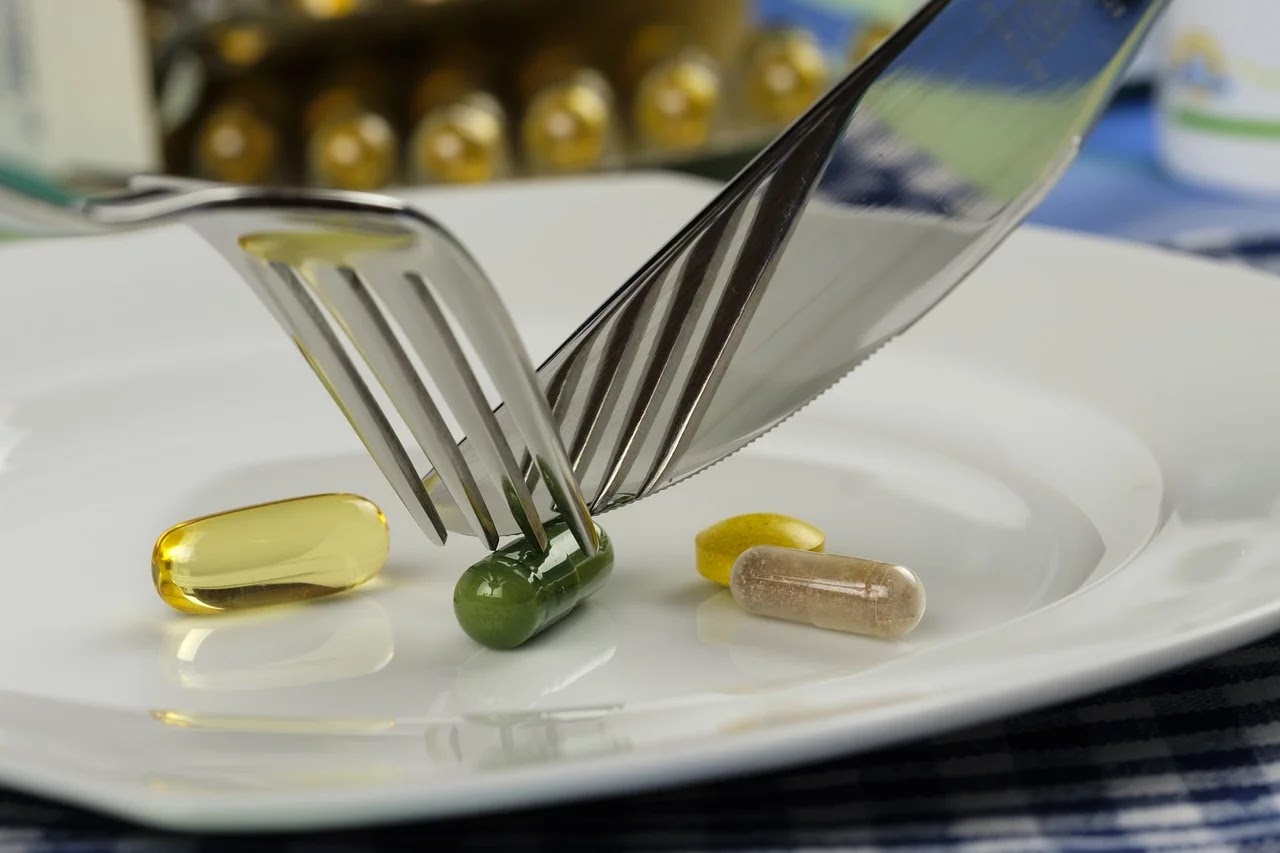
Dietary supplements are widely available in health food stores, drug stores, grocery stores, fitness centers and online and they come in many forms including: 2 piece capsules, soft gels, tablets, bottles of liquid, powders and gummies."
In my opinion, supplements are not the same as sport nutrition products like sport drinks, bars, gels and chews. The later are products that are formulated in a way to optimize performance and healthy by providing the body with nutrients (ex. carbohydrates, sodium, fluids), in a precise formulation, that are used by the body during activity. They are backed by science/research to demonstrate a performance benefit if used correctly. Because not all sport nutrition products are created equal, prioritize simple ingredients in the nutrition profile (carbs/sugars/electrolytes).
So when it comes to supplements, why do athletes take them?
- To boost performance.
- To improve health.
- To gain the competitive edge.
- For medical reasons.
- Because something is trendy (endorsed by a professional athlete).
- Because a coach said so.
- Because an article said so.
- To overcome a nutrient deficiency.
Occurring in many different forms, like tablets, liquids, powders, bars, creams, injections and capsules, commonly sought-after vitamin and mineral supplements include iron, B12, probiotics, creatine, beet juice, Ashwagandha, Rhodiola rosea, vitamin D, calcium, multivitamins and antioxidants like vitamin C, E and Q10.
Because most supplements are poorly regulated and contain multiple ingredients, many can be problematic to your health and performance. Not to mention making it difficult to know or predict the efficacy and safety of your desired product. As an example, high-dose antioxidants (vitamin C, E) may prevent important training adaptations such as creating new muscle mitochondria, muscle growth and improving insulin sensitivity.
Supplementing in certain situations may be necessary, especially if you fall into any of the following categories:
- Dieting/intentional undereating
- Vegan/Vegetarian
- Lactose intolerant
- Food allergies
- Crohn's or Celiac disease
- Limited sunshine
- Extended periods of traveling
- Considering pregnancy/Pregnant
- Elderly
- Nutrient deficiency on blood test
If you are currently using or considering a supplement, here are a few tips:
☑️Choose your supplements wisely. Do your research. Only take what is most necessary for your health.
☑️Review your supplement on Supplement411 for banned substances (or being high risk).
☑️Look for the
NSF certified for sport mark.
☑️What are the benefits and risks to the supplement?
☑️ Choose nationally recognized, reputable brands.
☑️ Make sure you consume an appropriate amount by reading the label.
☑️Test don't guess. Get your blood tested to determine the right individual nutrient (and how much you need) for a true nutrient deficiency.
☑️When a specifically identified nutrient hole exists in your diet (from a blood test), and food won’t fill the gap, choose an individual vitamin and mineral supplement to ensure you are consuming exactly what you need - nothing more, nothing less.
☑️Consult with a Board Certified Sport Dietitian to review your diet and medical/health history/status.
As a reminder, it’s best to first try to obtain your vitamins and minerals from food – just like Mother nature intended you to eat.