We’d love to hear from you.

We welcome your thoughts, experiences, comments, suggestions, questions or personal stories. If you don't hear from us right away, please note that your email is very important to us. We will do our best to respond with 24 hours.


Greenville, SC

Trimarni is place where athletes and fitness enthusiasts receive motivation, inspiration, education, counseling and coaching in the areas of nutrition, fitness, health, sport nutrition, training and life.

We emphasize a real food diet and our coaching philosophy is simple: Train hard, recover harder. No junk miles but instead, respect for your amazing body. Every time you move your body you do so with a purpose. Our services are designed with your goals in mind so that you can live an active and healthy, balanced lifestyle.

Blog

Filtering by Tag: supplements

Sport Supplements 101

Trimarni


Typically, supplements are marketed to athletes as a means to help with weight loss or gain, muscle recovery, improve immunity, gut health and metabolic support. Many athletes look to supplements for a mental or physical edge in training or competition.

Supplements come in a variety of forms; tablets, liquids, powders, bars and capsules. Some of the most sought-after vitamin and mineral supplements include iron, B12, vitamin D, calcium, multivitamins, Ashwagandha, creatine, BCAA, whey protein, ketones and antioxidants like vitamin C, E and Q10.

Some supplements are problematic to health and performance. A review in the Journal of Physiology showed no strong evidence that antioxidant supplementation, such C and E, can improve performance or health. Furthermore, high-dose antioxidants may prevent important training adaptations such as creating new muscle mitochondria, muscle growth, and improving insulin sensitivity. In addition, supplements contain multiple ingredients, making it difficult to know or predict the efficacy and safety of your desired product.  Athletes must carefully investigate research prior to purchasing any type of supplement.

Not every supplement designed to enhance performance is illegal and unsafe, but exceptional marketing strategies and poorly designed research studies make it difficult to know if a product is legit. It’s your responsibility—from elite to novice—to know what you’re consuming. There is much concern over supplements containing banned substances (which will cause an athlete to fail a drug test), so it’s best to obtain your vitamins and minerals from food—just like nature intended. If you’re considering a supplement due to a blood test showing a nutrient deficiency, first consult with a Board Certified Sport Dietitian. Always choose clean, certified products and look for the Informed Sport or NSF Certified for sport seal.

plate not pill approach saves money and remains the most practical way to optimize health and performance.


Sport Nutrition - Bars, chews, gels, powders, liquids
There is great evidence demonstrating the benefits (and safety) of well-formulated sport nutrition products before, during, and after training or competition. Sports foods dont replace real food thats why they are encouraged to be used during sport activities. They provide a palatable and portable source of energy, electrolytes, and fluids to tackle the two main causes of fatigue: dehydration and glycogen depletion. Sports foods are engineered to easily empty from the gut and be quickly absorbed in the small intestines so the working muscles can take hold of the nutrients.  Protein powders, such as whey, provide an easy method of rapidly repairing damaged tissues after intense training. It can also help boost protein intake among athletes who follow a restrictive diet such as vegetarians.  Leucine, the key amino acid in whey protein drives the majority of protein synthesis. Theres great support demonstrating the effectiveness of whey protein as a safe recovery supplement. As with any sport food, all ingredients should be considered for safety and effectiveness.

Nutrient Supplements – Iron, Vitamin D, Calcium, B12, Probiotics, Omega-3, Multivitamin
Athletes who seek or require the use of a medical supplement typically complain of an acute or chronic health issue, a decline in performance or show abnormal blood work results. Extreme endurance activity, altitude training, and restrictive eating are common culprits for a nutrient deficiency. Any nutrient supplement should be advised and supervised by appropriate medical personnel, such as a sport dietitian prior to supplementation. Its not uncommon for athletes to use supplements at the wrong time or in the incorrect amount or for the wrong reasons. 

Performance Supplements - Caffeine, Beta-Alanine, Creatine, Beetroot Juice, Branch Chain Amino Acids (BCAA), Ketones
Athletes interested in performance supplements are generally seeking a direct gain in performance. With so many different types of performance enhancing supplements, it’s difficult to provide a universal recommendation. Just because a supplement is well-supported or used by professional athletes, such as creatine (increased muscle cell volume and fiber hypertrophy), beet juice (improved skeletal muscle efficiency), ketones (spare glycogen) and beta-alanine (buffer of muscle pH), this doesn’t mean that it will work for you. As an example, remember when MTC oil was all the craze by endurance athlete s in hopes of a performance boost? Well, two of the most common side effects were diarrhea and upset stomach. Athletes must carefully investigate research prior to purchasing any type of supplement. At minimum choose clean, certified products and look for the Informed Sport or NSF Certified for sport seal. Take every initiative to educate yourself on what’s inside a supplement (and where it comes from), as no supplement is entirely risk free. Performance supplements are typically not needed if you nail the basics of a well-planned daily diet, good nutrient timing and proper application of sport nutrition.
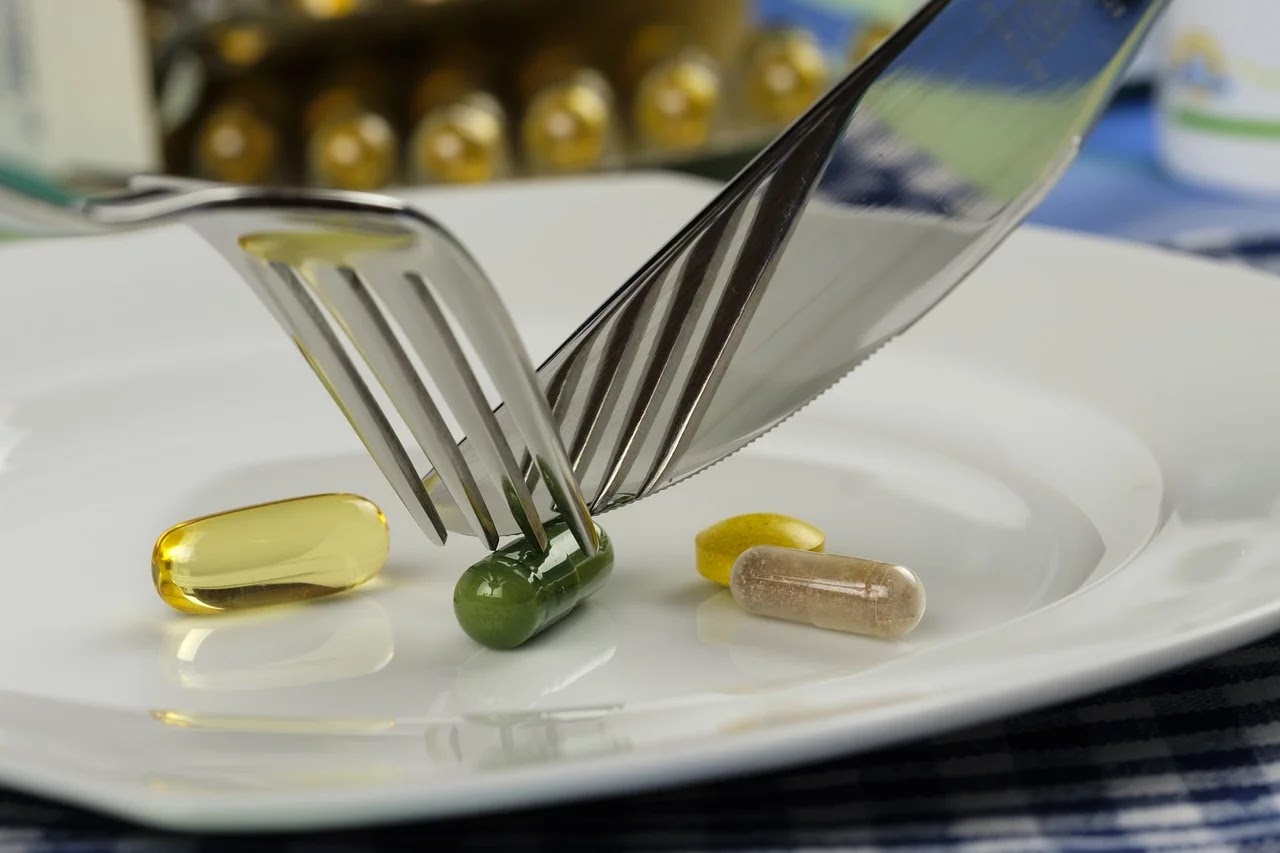
Should you take supplements?

Trimarni


From the Quality Supplements website: 

"The term “dietary supplement” describes a broad and diverse category of products that you eat or drink to support good health and supplement the diet. Dietary supplements are not medicines, nor should they be considered a substitute for food.

Dietary ingredients can be one or a combination of any of the following:
-Vitamin
-Mineral
-Herb or other botanical
-Amino acid (the individual building blocks of a protein
-Concentrate, metabolite, constituent, or extract

Although some herbal and mineral compounds have been used for hundreds of years to treat health conditions, today dietary supplement manufacturers are not legally allowed to say their products cure, treat or prevent disease. Supplement makers can say their products support health or contribute to well-being.

That is because Congress does not regulate dietary supplements the same way it regulates medicine. Except for new dietary ingredients, dietary supplement manufacturers do not need to prove to the U.S. Food and Drug Administration (FDA) that a product is safe or effective to be able to sell them. And, unlike medicines, which are required to meet USP standards to help ensure product consistency across multiple manufacturers, USP standards are voluntary for dietary supplements.

Dietary supplements are widely available in health food stores, drug stores, grocery stores, fitness centers and online and they come in many forms including: 2 piece capsules, soft gels, tablets, bottles of liquid, powders and gummies."

In my opinion, supplements are not the same as sport nutrition products like sport drinks, bars, gels and chews. The later are products that are formulated in a way to optimize performance and healthy by providing the body with nutrients (ex. carbohydrates, sodium, fluids), in a precise formulation, that are used by the body during activity. They are backed by science/research to demonstrate a performance benefit if used correctly. Because not all sport nutrition products are created equal, prioritize simple ingredients in the nutrition profile (carbs/sugars/electrolytes).

So when it comes to supplements, why do athletes take them?
  • To boost performance.
  • To improve health.
  • To gain the competitive edge.
  • For medical reasons.
  • Because something is trendy (endorsed by a professional athlete).
  • Because a coach said so.
  • Because an article said so. 
  • To overcome a nutrient deficiency.

Occurring in many different forms, like tablets, liquids, powders, bars, creams, injections and capsules, commonly sought-after vitamin and mineral supplements include iron, B12, probiotics, creatine, beet juice, Ashwagandha, Rhodiola rosea, vitamin D, calcium, multivitamins and antioxidants like vitamin C, E and Q10.

Because most supplements are poorly regulated and contain multiple ingredients, many can be problematic to your health and performance. Not to mention making it difficult to know or predict the efficacy and safety of your desired product. As an example, high-dose antioxidants (vitamin C, E) may prevent important training adaptations such as creating new muscle mitochondria, muscle growth and improving insulin sensitivity.

Supplementing in certain situations may be necessary, especially if you fall into any of the following categories:
  • Dieting/intentional undereating
  • Vegan/Vegetarian
  • Lactose intolerant
  • Food allergies
  • Crohn's or Celiac disease
  • Limited sunshine
  • Extended periods of traveling
  • Considering pregnancy/Pregnant
  • Elderly
  • Nutrient deficiency on blood test
If you are currently using or considering a supplement, here are a few tips:

☑️Choose your supplements wisely. Do your research. Only take what is most necessary for your health.

☑️Review your supplement on Supplement411 for banned substances (or being high risk).

☑️Look for the NSF certified for sport mark.

☑️What are the benefits and risks to the supplement?

☑️ Choose nationally recognized, reputable brands. 

☑️ Make sure you consume an appropriate amount by reading the label.

☑️Test don't guess. Get your blood tested to determine the right individual nutrient (and how much you need) for a true nutrient deficiency.

☑️When a specifically identified nutrient hole exists in your diet (from a blood test), and food won’t fill the gap, choose an individual vitamin and mineral supplement to ensure you are consuming exactly what you need - nothing more, nothing less.

☑️Consult with a Board Certified Sport Dietitian to review your diet and medical/health history/status.

As a reminder, it’s best to first try to obtain your vitamins and minerals from food – just like Mother nature intended you to eat.

Plates not Pills - this blog will tell you why

Marni Sumbal, MS, RD

Recently there has been more and more talk about eating our medicine instead of relying on pills (or believing in the hype) for an additional intake of vitamins and minerals to improve overall health. I agree that we should not be spending money on over the counter supplements as a first response to wanting to be healthy especially if you have access to a variety of real food options to boost your immune system.


Supplements are designed to supplement what you can not get in your diet and there are cases (ex. folic acid for pregnant women, B-vitamins for vegans, etc.) when a single vitamin or mineral supplement may be needed. Although I don't feel that athletes need supplements like antioxidants and anti-inflammatories to boost performance there are some supplements (ex. BCAAs, protein powders) that may assist in proper functioning of the body during times of extreme intentional training stress.

I love the concept of plates not pills because it emphasizes the opportunity for us to obtain a wide amount of vitamins and minerals from the food that we can put on our plate. However, this is often easier said than done because in our society there's a large majority who heavily rely on quick fixes and often do not make the time for balanced meals and real food eating.

And of course, when it comes to research, this is tough to make any one conclusion from any one study. Often, major companies are sponsoring the research or promoting deceptive claims, so of course, those companies want research to show their products are helpful. Also, there are so many variables that can affect research that it's almost impossible to make a statement that is 100% backed by science/research. Therefore, rather than focusing  all our energy on what we shouldn't be doing, we should consider what may improve our health based on common lifestyle habits of the masses that appear to live a better quality of life.

If you are interested in research, there's a really cool study called the Adventist Health Studies (AHS) which "is a series of long-term medical research projects of Loma Linda University with the intent to measure the link between lifestyle, diet, disease and mortality of Seventh-day Adventists.
Due in part to their unique dietary habits, Seventh-day Adventists have a lower risk than other Americans of certain diseases. This provides a special opportunity to answer scientific questions about how diet and other health habits affect the risk of suffering from many chronic diseases."

When I read scientific articles or relate research to real-world settings, I really find value in looking how a large population or group (whether it's in our nation or in another country) is living life when it comes to being "healthy." Certainly, we have to consider economics, health care, stress, etc. in comparing or contrasting healthy living practices but when it comes to the AHS, there are five simple health behaviors promoted by the Seventh-day Adventist Church for more than 100 years which have been shown to increase life span up to 10 years.
They include the following:
-Not smoking
-Eating a plant based diet
-Eating nuts several times per week
-Regular exercise
-Maintaining a normal body life

So to clear up any confusion as to how easy it cane be to boost your intake of vitamins and minerals with real food instead of relying on these popular vitamin and mineral supplements (unless medically needed), here are a few ways to start:
(NOTE: some foods like vitamin K rich foods and grapefruits may interact with medications so always read the fine print. Also, many herbal supplements/teas can interact with medications).

All values obtained from USDA.


-Vitamin C: = 75- 90 mg


       1 large orange (184g) = 98mg vitamin C (all fruits and veggies are great for the immune system)


-Vitamin E: 15 mg


                   50g sunflower seeds = 18 mg vitamin E (nuts and seeds pack a great vitamin E punch)


-Folate (B9): 400 mcg (600 during pregnancy, 500 during lactation)


            1 cup pinto beans = 294 mcg folate (also found in many veggies and other beans/lentils as well as many processed foods like breads, cereals and grains. This has been a benefit in the processed food industry for there have been less neural tube defects in children since there has been more fortication in food. Be mindful that gluten-free foods are often not fortified as well, same with organic foods - check and compare labels, especially on cereals if using for fortification of vitamins and minerals)


-Selenium: 55 micrograms

1 brazil nut = 90 micrograms (many animal proteins will easily meet your selenium needs, as little as 5-6 ounces daily)
 
-Calcium: ~1000-1200 mg


8 ounce yogurt = 415 mg calcium
1.5 ounce cheese = 307 mg calcium
1 cup firm tofu = 500 mg calcium
1 cup milk = 300 mg calcium
1 cup chopped raw kale = 100 calcium
(it's recommend to obtain all of your calcium needs from foods due research linking calicum supplements with increased risk of cardiovascular events and kidney stones. When it comes to calcium, especially for males, more is not better. It's recommend to consume no more than 3 servings dairy a day which also meets 100% calcium).
 
B vitamins:
B1 = 1.1-1.2 mg
B2 = 1.1-1.3 mg
B3 (niacin) = 14-16 mg
B5 = 5 mg
B6 = 1.2-1.7 mg
B12 = 2.4 micrograms


Vitamin B12 is naturally found in animal products, including fish, meat, poultry, eggs, milk, and milk products. Vitamin B12 is generally not present in plant foods, but fortified breakfast cereals are a readily available source of vitamin B12 (source)


FYI:
RDI is the general term for a set of reference values used for planning and assessing nutrient intakes of healthy people. These values, which vary by age and gender. Recommended Dietary Allowance (RDA) is the average daily level of intake sufficient to meet the nutrient requirements of nearly all (97%–98%) healthy individuals.
 
As you can see, in a varied, balanced diet you can obtain almost all of your vitamin and mineral needs and if you emphasize real food, you will also increase the chance of meeting your metabolic needs for increased performance gains with your training and racing.
 
The problem I find is that our society loves to disect food. If this were the case for every food, we would have nothing to eat because every food can potentially become "bad" if you eat too much of it.
 
Even if you weigh the pros and cons of almost any food (which nutrition gurus promoting fad diets love to do - primarily address all the cons with certain "bad" foods), the pros of consuming a varied real food diet typically outweigh any cons. The focus is on balance and that's the hardest concept to accept when you are learning how to have a healthy relationship with food.
 
This includes dairy, whole grains, nuts, seeds, beans and legumes, etc. which may have many heart-healthy benefits and are consumed by those who appear to have a reduced amount of disease and illness in life and increased quality of life when you look at quality, consistent research studies.
 
Happy eating!