We’d love to hear from you.

We welcome your thoughts, experiences, comments, suggestions, questions or personal stories. If you don't hear from us right away, please note that your email is very important to us. We will do our best to respond with 24 hours.


Greenville, SC

Trimarni is place where athletes and fitness enthusiasts receive motivation, inspiration, education, counseling and coaching in the areas of nutrition, fitness, health, sport nutrition, training and life.

We emphasize a real food diet and our coaching philosophy is simple: Train hard, recover harder. No junk miles but instead, respect for your amazing body. Every time you move your body you do so with a purpose. Our services are designed with your goals in mind so that you can live an active and healthy, balanced lifestyle.

Blog

Filtering by Tag: rice varieties

Rice - An ideal carbohydrate for athletes

Marni Sumbal, MS, RD
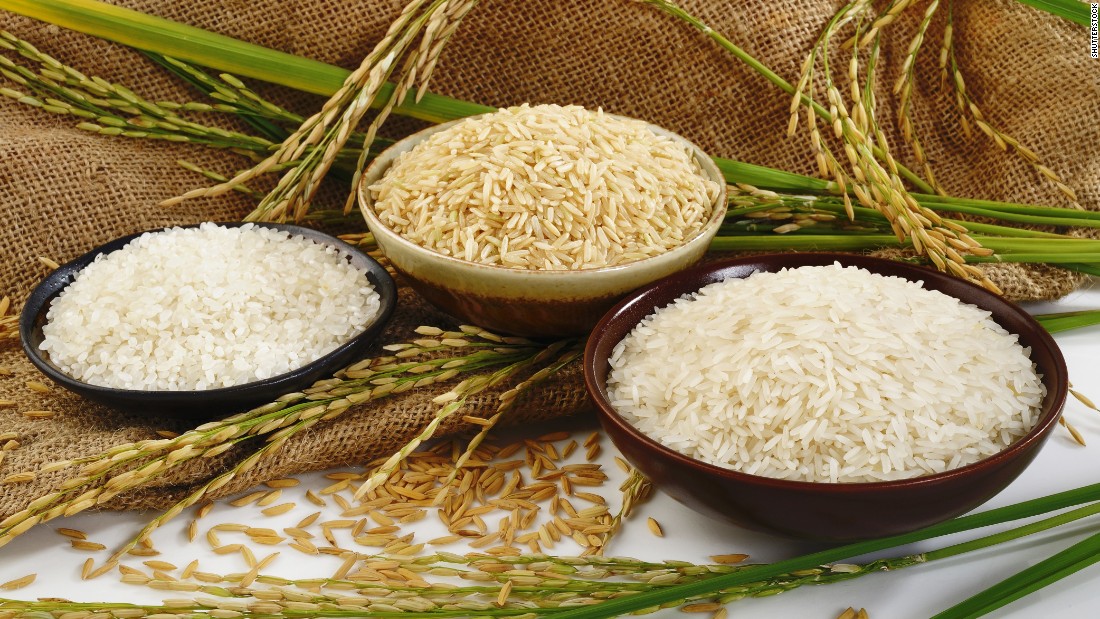


For almost half the world population, rice is a staple food.
But for much of the US population, rice is seen as a "bad" carbohydrate

There are many varieties of rice but what they all have in common is that they contain carbohydrates, protein, trace amounts of fat and sodium and are gluten free. 

Compared to white rice, brown rice is often viewed as the "healthy" rice. Whereas white rice appears to be nutritionally inferior to brown rice because it is a refined grain (bran and germ are removed during the milling process which removes B vitamins, iron and fiber), white rice is typically enriched with iron and B vitamins. Unlike brown rice, containing 3.5g of fiber per cup (cooked), white rice has less than 1 gram fiber. The noticeable difference between brown and white rice is that brown rice is a whole grain (the bran and germ are retained, which means it offers a good source of antioxidants, vitamin E and fiber). 

But having said this, athletes should recognize that fiber is often the culprit of many GI issues during training and racing. Thus GI-distress susceptible athletes are encouraged to reduce fiber (and fat) in the 24-72 hours before a race to minimize the residue in the gut. While 3.5g of fiber may not appear to be a lot of fiber, some athletes are more sensitive to fiber than others. Considering that white rice can be eaten alone or mixed with honey, syrup, eggs or even peanut butter to make for a great meal or snack - in training and or before a race - many athletes rely on rice as it is a cheap, easy to find, easy to prepare and easy to digest carbohydrate source. 

Although the lower fiber rice options are ideal before/after training/racing, let's not stop at white rice and brown rice. There are many varieties of rice that are great in the daily diet of athletes. Understanding that rice is often consumed with other nutrient dense foods, like fruits, vegetables, legumes (beans and peas), nuts, seeds, lean meats, poultry and seafood, I encourage you to include this low cost, versatile ingredient into your diet as it is easy to incorporate into any dish. I recommend to prep 2-3 rice varieties ahead of time (~2 cups cooked per person) and store in the fridge so that you have your go-to rice options available to you anytime of the week.

Tips on cooking rice
  • The shape and length of the rice kernel (short, medium or long grain) determines its texture when cooked, in addition to the type to use in dishes and cuisines. 
  • Long-grain, which cooks light and fluffy with the kernels separated, is often used for making pilafs, stuffing, rice salads and jambalaya. 
  • Medium grain is moist and tender, commonly used for making paella and risotto. 
  • Shorter grain rice is short with rounder kernels and becomes moist and "sticky", making it a great option for rice puddings, desserts and eating with chopsticks. 
Here are the suggested cooking times and water/rice ratio for rice varieties:

Types of rice varieties
  • Basmati - An aromatic long-grain rice grown in India, Bangladesh and Pakistan. Basmati comes in white or brown varieties. It has a distinct flavor and aroma and produces a tender, fluffy texture and grains do not stick together. It is often used in curries and stir-fries, but is also great for side dishes.
  • Brown - Available in short, medium and long grain varieties, a half-cup brown rice equals one whole-grain serving. It contains more magnesium, selenium and fiber than enriched white rice and can be eaten as a breakfast cereal, used in sushi and puddings.
  • Arborio - A medium or short grain rice with a high starch content used to make risotto. Arborio is also used for rice pudding and other desserts.
  • Red - This whole-grain rice is rich in nutrients and high in antioxidants due to its varying hues of red color. It is available as a long-grain variety from Thailand and a medium-grain from Bhutan. It's nutty, chewy texture lends well to rice bowls, pilafs, rice salads and stuffings.
  • Black - Also referred to as "purple" or "forbidden" rice, the dark hue of this grain is due to its high anthocyanin content. It is a whole-grain rice available in both short and long-grain varieties. The short-grain variety is often used to make sticky rice porridge and rice pudding.
  • White - Available in short, medium and long-grain varieties, most white rice in the U.S. is enriched with thiamin, niacin, folic acid and iron. Avoid rinsing white rice before and after cooking, in order to keep the nutrients from being washed away.
  • Jasmine - Originally from Thailand, this rice has a distinctive floral aroma and nutty flavor that pairs well with Mediterranean dishes. It cooks tender, light and fluffy and is available in both white and brown varieties. Steaming, rather than boiling, provides the best results.
  • Wild - Despite its name, wild rice is actually not rice at all, but a semi-aquatic grass species indigenous to North America. Its long, slender, dark kernels have a nutty flavor, chewy texture and contain more protein than white and brown rice. Wild rice is often mixed with brown rice or bulgur wheat, and it pairs well with fruits, nuts, meats, poultry and fish in salads, soups, stews and pilafs. 
Information from this blog was adapted from Food and Nutrition magazine. May/June 2013 issue. Pg 16 and 17, written by Rachel Begun, Ms, RDN, CDN. 
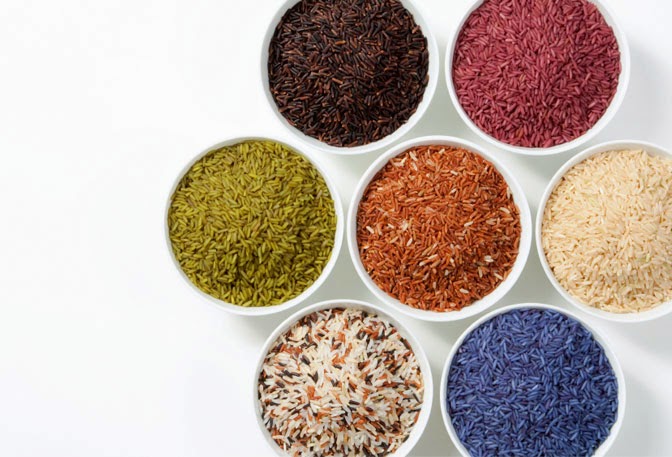
Everything you need to know about rice and grains

Marni Sumbal, MS, RD


Whole grains are the entire seed of a plant. Rice is a seed of a plant.
The seed of a plant is made up of three edible parts - the bran, the germ and the endosperm. The endosperm is protected by an inedible husk that protects the kernel from natural killers - like sunlight, pests, water and diseases.

After the rice is harvested, the inedible husk (endorsperm) is removed, which results in a whole grain rice kernel. Now the rice (or grain) is ready to eat. Through processing (milling), the bran and germ can be removed from the rice (or grain) results in white rice. Without the bran and the germ, about 25% of the grain's protein is lost along with at least 17 key nutrients, according to the Whole Grain Council.  However, if a processor chooses to enrich a refined grain, some vitamins and minerals will be added back to give the grain valuable nutrients. There are many advantages of having/consuming fortified foods as they are beneficial in filling in gaps for possible nutrient deficiencies.
As a vegetarian, I rely on fortified foods (ex. cold and hot cereals and grains/rices) to fill in nutritional gaps such as B vitamins and iron in my meat-free diet. Thanks to food fortification, nutrient deficiencies are not as common in certain parts of the world, although many people still experience serious health conditions from not obtaining adequate vitamins and minerals from starvation or not enough varied food choices. Serious conditions such as goiters and rickets no longer are a primary concern for many thanks to fortified foods like orange juice, fortified milk and iodized salt. 


Whole Grain Council:
What is a whole grain?

THE BRAN

The bran is the multi-layered outer skin of the edible kernel. It contains important antioxidants, B vitamins and fiber.

THE GERM

The germ is the embryo which has the potential to sprout into a new plant. It contains many B vitamins, some protein, minerals, and healthy fats.

THE ENDOSPERM

The endosperm is the germ’s food supply, which provides essential energy to the young plant so it can send roots down for water and nutrients, and send sprouts up for sunlight’s photosynthesizing power. The endosperm is by far the largest portion of the kernel. It contains starchy carbohydrates, proteins and small amounts of vitamins and minerals.

Rice is typically rinsed before it is cooked to remove excess starch and to improve texture and taste. Rice can also be soaked to decrease cooking time and to minimize stickiness. 

Types of whole grains: 
Corn, including whole cornmeal and popcorn
Oats, including oatmeal
Rice, both brown rice and colored rice
Sorghum (also called milo)
Wheat, including varieties such as spelt, emmer, farro, einkorn, Kamut®, durum and forms such as bulgur, cracked wheat and wheatberries
Wild rice
Other types of grains:
Raw buckwheat groats
Couscous
Freekeh
Millet
Polenta
Rye berries

 Grains with Gluten:
Wheat - including spelt, kamut, farroa and durum, bulgur and semolina
Barley
Rye
Triticale

Types of rice: 
Short grain brown rice
Long grain brown rice
Basmati rice
Jasmine rice
Sweet brown rice
Black japonica
Wehani
China black
Long grain white rice
Arborio rice
Black japonica
Saffron
Bamboo
Sushi
Wild rice


Cooking grains: 
Rinse the grain in cold water before cooking. Bring water to a boil and add grains and a pinch of salt and return to a boil. Cover and reduce heat to a simmer for recommended cooking time. When done, remove from heat and fluff with fork and let sit (covered) for 5 minutes.

Cooking rice: 
Add rice and water to a pot (together) with tight-lid. Add 1 tbsp butter or olive oil and optional salt. Bring to a boil, cover and simmer for recommended about of time. When cooked, removed from heat and allow the rice to sit for up to 10 minutes. Remove lid and fluff with fork. 

Central Market's guide for cooking rice and grains:

                1 cup riceWater/LiquidTime
Short Grain Brown2 cups50 min.
Long Grain Brown2 cups50 min.
Brown Basmati*2 cups50 min.
Brown Jasmine*2 cups45 min.
Sweet Brown2 cups50 min.
Wehani*2 cups45 min.
Black Japonica*2 cups45 min.
Red Bhutanese*1½ cups20 min.
Forbidden Black*1¾ cups30 min.
Long Grain White*1½ cups15 min.
White Basmati*1½ cups20 min.
White Jasmine*1½ cups20 min.
Wild4 cups45-50 min.
Sushi1.5 cups15  in.
Saffron Rice1.75 cups20 min.
Bamboo Rice2 cups20 min.
*   Rinse before cooking

Grain (1 cup)WaterTime
Amaranth2 cups25-30 min.
Barley, Pear2.5 cups40 min.
Barley, Hulled3 cups60-75 min.
Buckwheat, Raw Groats2 cups15-20 min.
Buckwheat, Roasted (Kasha)2 cups15-20 min.
Bulgur2 cups15 min.
Couscous1 cup0 min.*
Couscous, Whole Wheat1 cup5 min.
Couscous, Israeli4 cups8-10 min., drain
Farro5 cups50-60 min., drain
Freekeh2 cups30-40
Kamut3 cups40 min.
Millet2.5 cups20-25 min.
Oats, Regular2.5 cups5-10 min.
Oats, Thick2.5 cups15-20 min.
Oats, Steel Cut3 cups45-60 min.
Oats, Groats3 cups60 min.
Polenta, Medium Grind3 cups20 min., stirring often
Quinoa2 cups15-20 min.
Rye Berries2.5 cups60  min.
Spelt3 cups60 min.
*  Add to boiling water, cover and remove from heat. Let sit 5 minutes