Is your salad a balanced meal? Tips for constructing the perfect salad.
Marni Sumbal, MS, RD

Almost every day of the week (minus my long workout days), I have a big beautiful salad for a meal. Typically, my salad meal occurs at lunchtime as it is far out between my morning and evening workout, which allows for adequate digestion time due to all of the roughage in the meal.
A salad is a super, convenient, easy and affordable way to work in a few servings of vegetables into your daily diet. I won't mention all of the health benefits that come from a plant strong diet but for athletes, vegetables act as a low calorie method to pack in fiber, antioxidants and an abundance of vitamins and minerals into your daily diet, to support proper immune system functioning while optimizing metabolic and hormonal health.
When constructing the perfect salad, we must differentiate between eating a salad as part of a meal versus eating a salad as the main component of the meal. As I mentioned above, most days during the week, a salad is my lunch meal but on my longer workout days, when energy expenditure is quiet high and I need to focus on consuming more energy dense, nutritious foods, a salad complements my my main meal (which is typically rich in carbohydrates and plant protein).
From a nutrition perspective, as it relates to creating a salad that acts as the main component of your meal, here are a few tips to ensure that you are meeting your individual nutrient requirements.
Keep in mind that a balanced diet is one that meets your individual needs in a cultural, enjoyable and financial way. There is no one-size-fit all "balanced diet" as a healthy eating plan is a sustainable style of eating that allows your body to function optimally on a day-to-day basis.
A salad is a super, convenient, easy and affordable way to work in a few servings of vegetables into your daily diet. I won't mention all of the health benefits that come from a plant strong diet but for athletes, vegetables act as a low calorie method to pack in fiber, antioxidants and an abundance of vitamins and minerals into your daily diet, to support proper immune system functioning while optimizing metabolic and hormonal health.
When constructing the perfect salad, we must differentiate between eating a salad as part of a meal versus eating a salad as the main component of the meal. As I mentioned above, most days during the week, a salad is my lunch meal but on my longer workout days, when energy expenditure is quiet high and I need to focus on consuming more energy dense, nutritious foods, a salad complements my my main meal (which is typically rich in carbohydrates and plant protein).
From a nutrition perspective, as it relates to creating a salad that acts as the main component of your meal, here are a few tips to ensure that you are meeting your individual nutrient requirements.
Keep in mind that a balanced diet is one that meets your individual needs in a cultural, enjoyable and financial way. There is no one-size-fit all "balanced diet" as a healthy eating plan is a sustainable style of eating that allows your body to function optimally on a day-to-day basis.
Constructing the perfect salad
- A perfect salad starts with a bed of greens. Don't limit yourself just to the popular options like spinach, kale and romaine as there are so many different greens that can add a nice texture and taste to your salad. Check out this list of greens, featured in a previous Trimarni Newsletter. As mentioned in the newsletter article, combine together 3-4 different greens. A mild lettuce like red or green leaf will compliment a crisp choice like romaine. A peppery or bitter green like arugula or radicchio will add a little kick. Take advantage of pre-washed greens when you are in a hurry, as they are convenient and easy when it comes to meal prep.
- Is your diet lacking color? Phytochemicals give plants their distinctive colors and may act as antioxidants, which have many disease-preventing properties. Phytochemicals and vitamins and minerals work together, so a varied diet, rich in color, will help optimize health. Make sure your salad is bursting in color - red, purple, orange, yellow, green, white - so that you can eat the rainbow! This step in your salad making process is where you can add a variety of vegetables, fruits, herbs and spices.
- If your meal is lacking a crunch, it's likely that you will be searching to fulfill your crunchy craving soon after you eat your salad meal. Crunchy foods, like nuts and seeds, provide a nice texture to a salad meal. Plus, when added to a salad, you can easily control the portion (unlike snacking on nuts and seeds). These crunchy foods also offer a healthy amount of calories and fat to help you absorb fat soluble vitamins. Add a small handful of crunch to your salad - your taste buds will thank you with every bite.
- Speaking of fat, avocado, oil and cheese can help promote satiety. It's common to feel incredibly full after eating a nutrient-dense salad but if it's lacking fat, you will likely feel hungry soon after the contents in your gut begin to digest.
- Don't forget the protein! Beans, legumes, edamame, tempeh, tofu, eggs, cottage cheese, yogurt, chicken, turkey, red meat, fish - there are so many options! Opt for around 20-30g of protein in your salad meal. To make sure that protein gets on your plate, I suggest to prep your protein ahead of time and to always have a few go-to options (ex. cottage cheese, hardboiled eggs, frozen edamame) when you are in a hurry.
- Last comes the dressing. Since many commercial salad dressings are high in calories, fat and salad, opt to make your own dressing or keep it simple with olive oil, balsamic or salsa. To help evenly coat your greens, make your salad in a container (with a lid) so that you can pour on the dressing before eating and then give it a big shake. Another tip is to drizzle your dressing on your salad and then use a pizza cutter to "cut" the dressing into the salad. If all else fails, have a large zip-lock bag to give your salad a shake with your dressing (probably not the best strategy if eating out at a restaurant - instead, I would go with the dip the fork into the dressing and then pick up your greens).
If you search most websites on constructing the perfect salad, almost every source will feature greens, color, fat, protein, something crunchy and a dressing.
But where are the carbs????
But where are the carbs????
As it relates to athletes, who have different energy needs compare to their sedentary counterparts, we must remember that every meal should provide our body with a healthy carbohydrate option. A meal lacking in carbohydrates will only lead to sugar cravings, not to mention low energy in your upcoming workout. Plus, every individual, athlete or not, deserves to eat carbohydrates.
As it relates to carbohydrates in the athletes diet, I find that many athletes will opt for the most convenient carb out there......bread. While there is nothing wrong with bread (fresh local bread is a daily staple in our house), I find that our society (America) has an unhealthy relationship with bread.
As it relates to carbohydrates in the athletes diet, I find that many athletes will opt for the most convenient carb out there......bread. While there is nothing wrong with bread (fresh local bread is a daily staple in our house), I find that our society (America) has an unhealthy relationship with bread.
Whereas in many cultures, bread means family, love, tradition and togetherness, in America, bread is a big no-no. It's often made in machines, stored on grocery store shelves for weeks at a time (without spoiling) and often serves as a way to hold meat and condiments together when you need to eat with your hands, on the go. It's a great delivery system for butter, cream cheese and nut butter but it's also a cheap option to fill you up or to keep you distracted as your restaurant meal is being prepared.
Sadly, in America, we just don't have a good relationship with bread and a lot of this is because of the function of bread in the Western diet. Bread isn't seen as something sacred and special like in other countries. Meetings, rushed schedules, emails, working too much, sleeping too little.....why spend hours mixing, kneading, waiting, watching and making bread when the accessibility of buying bread from the grocery store will save you so much time?
For many cultures, bread is not suppose to be low-calorie, gluten free or filled with chemicals that inhibit mold growth, not to mention sliced and stored in a plastic bag. Perhaps I have a different appreciation of bread because of my European husband, who grew up on fresh, local bread that was purchased every day by walking to the nearby grocery/bakery and his mother wouldn't never buy something if it could be made at home, with love.

Thanks to the convenience of factory-made bread and the ease of using bread as a delivery method for other food stuff, American's have relied too much on bread as their main carb. And now, when many athletes are choosing to avoid bread because they are told it is unhealthy, athletes struggle to eat enough carbohydrates in the diet to meet daily energy needs.
So what's an athlete to do? To eat bread or not to eat bread...that's the question!?!?
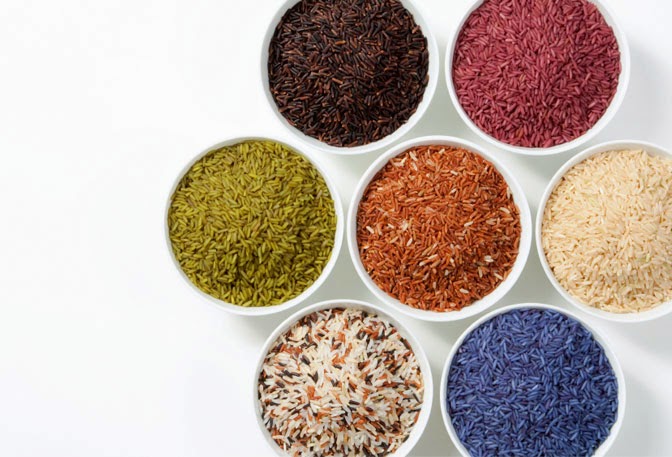
Let it be known that I am not anti-bread. I love bread and it will never be removed from our diet. However, I find that many athletes rely too much on bread and forget that there are so many other amazingly healthy, nutrient rich and delicious sources of carbs. And one group in particular is Whole Grains!

7. So, for the final topping on your beautiful, satisfying and balanced meal salad, don't forget to include a serving (1-1.5 cups) of whole grains. Because whole grains require time to cook, make sure you change your lifestyle to allow for the steps needed to get cooked whole grains on your salad plate/bowl.
Since I am all about small lifestyle changes when working with athletes on nutrition, start off your (new or improved) nutrition journey by getting a little help from the grocery store by purchasing pre-made whole grain options. For example, check out the Path of Life product options in the frozen food section (by the vegetables) at your local grocery store. I just came across these 3 options (pic below) and tried them out over the weekend. A great salad topper!

Taste-tested by me, these options are full of flavor and can be prepared in the microwave in only 4 minutes! Once you recognize the game-changer of incorporating either store-bought whole grains or home-prepared whole grains into your daily diet, you will find yourself feeling more satisfied, with less "sugar" cravings and more energy throughout the day. Not to mention the fact that your daily salad is now a perfect balanced meal, rich in health promoting nutrients, thanks to a healthy dose of carbs.
(Botanically speaking, quinoa, the "grain" featured in the Path of Life products, is a relative of spinach, beets and chard and it's technically a seed. But, it's still a great addition to your daily diet, along with whole grains.).
Happy salad eating!
(Botanically speaking, quinoa, the "grain" featured in the Path of Life products, is a relative of spinach, beets and chard and it's technically a seed. But, it's still a great addition to your daily diet, along with whole grains.).
Happy salad eating!