We welcome your thoughts, experiences, comments, suggestions, questions or personal stories. If you don't hear from us right away, please note that your email is very important to us. We will do our best to respond with 24 hours.
Trimarni is place where athletes and fitness enthusiasts receive motivation, inspiration, education, counseling and coaching in the areas of nutrition, fitness, health, sport nutrition, training and life.
We emphasize a real food diet and our coaching philosophy is simple: Train hard, recover harder. No junk miles but instead, respect for your amazing body. Every time you move your body you do so with a purpose. Our services are designed with your goals in mind so that you can live an active and healthy, balanced lifestyle.
Over the past few weeks I've been progressing gradually with my run fitness. I'm not training with a specific race day pace goal in mind but instead, I'm training to become a stronger runner. A lot of variables contribute to running well off the bike and frankily, it really comes down to not getting injured. Running is corrosive and it brings a great risk for injury. I've been thankful that my body has not had a setback since August 2019 and for me - someone who has had a rocky relationship with running - that is a big deal.
When I eased back into running after my short off-season break, I focused primarily on easy running with good form. I incorporated a lot of walk breaks in my runs to help reset form and neuromuscular firing (communication with the brain and muscles) and finished some of my runs with hill strides (10-15 seconds uphill w/ walk down) to activate the posterior chain and for leg turnover. After a few weeks of frequent running, I continued with easy runs but included one intense workout of either hill repeaters (8 x 30 sec strong hill efforts) or short tempo efforts w/ double time recovery (6 x 3 min w/ 3 min recover). This progression over the past 6 weeks has changed my physiology to allow me to feel stronger during my long runs.
A misunderstood concept of long distance triathlon run training is improving economy and strength. Both are vital to running well off the bike - much more so than prioritizing endurance (easy long runs) and speed (speed/track work). It's easy to have the "runners" mindset that to be ready to run 13.1 or 26.2 miles off the bike you need to do speed work and easy long runs and while both are valuable, triathletes should not neglect strength-based runs.
My weekly running mileage right now is around 24-26 miles per week which comes from 3-4 runs per week. Right now I am not doing brick runs and I always include easy runs into my training plan. I like to vary when I run (morning, mid day, evening) and what days I run, to ensure that I can find good form at any time of the day. But when I ask my body to do intervals, I prefer those workouts to be in the morning. I always spend at least 15 minutes doing ECFIT/mobility before a run. I also like to do an easy run the day before a harder run to help prime my body, neuromuscular system and mind.
I feel there is great value in incorporating higher intensity efforts on hills into a long run. Not only do you feel extra light and springy on the flats after you run uphill, but it's a much safer way to elicit a higher heart rate and power response vs. sprinting on flat surfaces. It's hard to keep good form when running at high speed (that's why track athletes spend a tremendous amount of time warming up and on drills before they run) so there's less of a risk for injury on hills.
Running is so much more than collecting miles or gaining fitness. When I run easy, I don't view these workouts as "fitness gaining." Sure, I'm gaining fitness but my focus is on form economy under fatigue, posterior chain activation, breathing, movement economy and finding the joy in using my body. And when I do more intense workouts, I'm focusing on raising my anaerobic threshold while improving my run economy and efficiency. Intense workouts are important but I'm not doing pace-based intervals as I'm not tied to running a specific pace on race day. In long distance triathlon, you need to be great at not slowing down.
While your strava file may not look impressive as uphill running produces slower paces than running on the track or on flat ground but hill sprints offer benefits such as:
Strengthening running muscles and tissues (ex. core, glutes, feet, etc.)
Increase stride power
Reduce risk for injury compared to speed work on flat ground
Improved running economy
Improved muscular endurance
Speed isn't holding you back from progressing with your run endurance. Focus on economy and strength and you'll get better at going further while minimizing a massive slow down.
Long "strength based" Tempo Run
WARM UP ~25 min easy jog
MAIN SET 4 x 30 sec strong hill efforts w/ 1 min EZ walk/jog down 4 x 5 min tempo (not flat but not super hilly) w/ 1 min walk recovery (~6:59 min/mile) 4 x 30 sec strong hill efforts w/ 1 min EZ walk/jog down 2 miles steady (7:45 min/mile average)
COOL DOWN ~5 min EZ jog cool down
Total miles: 10.0 miles (funny because I didn't even look at my watch until later that day. I rarely look at my watch when I finish a run because I run either by time or by completing the workout as prescribed) Total time: 1:22 Here's a graph of my workout to see the execution. Green represents speed. Yellow represents cadence. I don't wear a HR monitor when I train.
I fueled with my typical 2 waffles (or a bagel) w/ peanut butter, syrup and yogurt around an hour before this run, had 2 Powerbar chews before the run and had 2 flasks, each with 12 ounce water and 1 scoop C30 Never Second Berry.
If you are interested in doing a run workout similar to my long workout, here's a safe way to get started.....This ~50-minute workout can be done on the treadmill or outside.
WARM UP Mobility + power walk into ~15-20 minutes easy run (include reset breaks as needed and before the pre-set)
PRE SET 4 x 15-20 sec hill run (4-6%) w/ 1 min EZ jog/walk down + 15 sec extra rest
MAIN SET 3-4 x 2-3 min good form, steady running w/ 2 min walk/jog between
POST SET 4 x 15-20 sec hill run (4-6%) w/ 1 min EZ jog/walk down + 15 sec extra rest
Proponents of training in a fasted (or carbohydrate-depleted state) claim that exercising when your body's glycogen stores are low (or depleted), will improve fat metabolism. Teaching the body to rely on the massive energy supply that fat provides as a fuel source is often referred to as "metablic efficiency" or "fat adapted." These sexy terms are frequently used among endurance athletes and can be intriguing when associated with phrases like;
Burn more fat. Minimize the risk of bonking. Reduced relience on sport nutrition (ex. exogenous fuel sources) during training. Minimize the incidence of GI issues. Body composition changes. Steady energy. Sparing glycogen.
It's understandable how the above claims of fasted training can be appealing to endurance athletes. But with much of the available literature studying the effects of fasted workouts and carbohydrate-restricted diets concluding that there is no correlation with enhanced performances in endurance athletes and exercising in the fed versus fasted state shows no difference in body weight/composition changes, why are so many athletes easily persuaded to intentional restrict carbohydrates before workouts?
While being a better fat burning is enticing for the endurance athlete who is seeking a performance boost, many athletes are primarily drawn to fasted workouts for the reasons of weight loss and/or body composition changes. Because fasted workouts are a frequent practice among endurance athletes, I have talked about this misued and misinformed nutritional strategy at nauseum for over a decade.
But it would be wrong of me to deprive all athletes of this nutritional intervention so I came up with a list of 38 "nail the basics" lifestyle, training and nutrition strategies that will yield much bigger improvements in fitness, performance, body composition and health than restricting carbohydrates and intentionally 'not eating' before your workouts.
So there you have it. Once you have nailed the 99% and have reached your genetic potential over many many many years by nailing the basics, you are ready to focus on the 1% - the marginal gains. In other words, the physical and physiological changes that you will experience by prioritizing quality of training, becoming very strong, durable and economical, focusing on your lifestyle habits to keep your body in good mental and physical health and staying consistent with training, will take you much further than restricting carbohydrates in your diet or implementing fasted workouts into your training plan.
And if this doesn't encourage you to nix the fasted workouts, I encourage you to check in with yourself about why you are fasting or restricting carbohydrates. For some athletes, the act of food restriction can bring on a sense of achievement, pride or self-control, having nothing to do with health and performance. This can be very harmful to your mental and physical well-being.
The original intent of becoming more health-conscious or wanting to improve performance can easily transition into something more severe, such as as a way to severely restrict calories, as an excuse to skip meals, feeling deeply afraid of gaining weight, having feelings of guilt when eating carbohydrates or intense fear of being fat. If you feel your effort for improved performance or healthy eating has gone too far and you are sabotaging your physical and mental health and development as an athlete, I encourage you to find a dietitian or who specializes in eating disorders to help you learn how to better fuel and nourish your body.
Few people know this but shortly after I completed graduate school and received a Master of Science degree in exercise physiology from FAU (in Davie, Florida), I accepted a 6-month internship with Ironman from January until June 2006 in Tarpon Springs, FL. Instead of utilizing the two new initials behind my name, I was 23 years old, broke, living with my parents in New Port Richey, FL and obsessed with triathlon - I was registered for my first half ironman distance at Disney in Orlando, Florida (May) and my first Ironman in Panama City Beach, Florida. I received a very small amount of money each week to perform various tasks at the World Triathlon Corporation (located in Tarpon Springs, Fl). At that time, Dr. Gills - a world-renowned ocular surgeon and Ironman athlete - owned the Ironman brand.
Much of my interning was learning about the behind-the-scenes of this event organization. Back then, the company was tiny compared to what it is today but the focus was growing and expanding the brand. The 70.3 World Championship didn't exist yet and Kona was still the holy grail. I spent a lot of my time working under Judy Molnar at Iron Girl. Some of my most memorable moments were being asked to write a nutrition article for the "Ironman Insider" newsletter, watching the excitement of the lottery winners receiving their IM World Championship slot, receiving a lot of Ironman-branded swag, spectating my first Ironman event (Ironman Arizona in April 2006) and learning all about the Ironman history.
Although I went on to get a real job shortly after my internship, I absolutely loved my time interning at Ironman. Over the next year, I continued to help out with Ironman, writing articles, forming close relationships with triathlon-related brands and providing nutrition talks at many Iron Girl events.
After I completed my first Ironman in Nov 2006, and qualified for the 2007 Ironman World Championship, I couldn't wait to stop by the World Triathlon Corporation building to share the news with everyone. I felt like I had family at Ironman. They were so happy for my accomplishment.
Fast forward to 2022, I have now completed 19 Ironmans. I've participated in 5 Ironman World Championship events in Kona, Hawaii and just recently in May, I placed on the podium in my age group at the Ironman World Championship in St. George. I've won my age group at 5 Ironman events and placed top 5 in my age group at 12 Ironman events. I've lost count of all the 70.3 events I've finished over the years. Thanks to the Ironman brand, I've stayed in love with the sport of triathlon for over 16 years as I've been able to train for a distance that has challenged me and helped me grow as a human. Ironman has given me so many amazing opportunities. I formed close relationships with brands like Clif Bar and Oakley. I have made so many friends from all over the world. I've traveled to places that I never imagined I would see by swim/bike/run - like St. Croix, Whistler and Austria. I've been able to create so many memories with Karel. It was in 2011, when Karel took his first trip to Kona to watch me race and decided he wanted to try triathlon. Since then, We've raced 12 Ironman events together, including 3 World Championship events (2x Kona, 1x St. George). I've watched Karel race in Kona twice and have seen him excel at the long distance.
The Ironman distance not only enhanced my life, but for the past 10 years, I've been able to enhhance the lives of others through my coaching and nutrition business.
This past July I mentioned after Ironman Lake Placid that I was taking a break from the Ironman distance. This past year I explored different events, like gravel riding, mountain biking and Xterra. During this time, I realized that I still really love triathlons - especially long distance. Over the past year, I learned that it wasn't that I needed to move on from triathlon but I was seeking a different way to be challenged.
I thrive in the journey. I love racing because I really love the process of training. I don't like to randomly sign up for events but instead, I'm meticulous in race planning. I spend a lot of time researching events, watching videos on events, exploring logistics like travel and understanding the course. I like to select events that I can't stop thinking about. The further out the event, the more time I have to prepare. But to keep me motivated, I need events that scare and excite me.
Over the past year, I recognized that the Ironman distance still excites me but I no longer feel challenged by the distance. It's a distance that I've mastered and I know how to mentally and physically prepare to race 140.6 miles and fuel for it. I've achieved a lot in the distance over the past 16 years and I am craving training for something new and different. When I started Ironman racing, I struggled. I was constantly experiencing setbacks and I was very scared of the enormity of the distance. It took me over 10 years of training and racing to finally put the pieces together. And then for the next 6 years, I continued to work on my strengths and weaknesses. It was the process of self improvement and self discovery that kept me in the sport so I could finally excel at the distance.
Like many, the history and storied traditions of the Ironman World Championship sucked me in. But it was the Ironman distance (2.4 mile swim, 112 mile bike, 26.2 mile run) that kept me going. The true beauty of the Ironman distance is in the lessons that I've learned about myself while preparing for each of my 19 Ironman distance triathlons. Personal growth occurs in the journey On race day, I am prepared to push the limits of my body and mind because I know I've prepared to the best of my abilities. I've learned that I can overcome obstacles and setbacks. I've shown myself that my comfort zone can be stretched.
And so it begins.
An extreme new chapter.
Nature, adventure, challenge. Small field size. Self supported. Close to the full distance but no race is the same.
Triathlon in its pure form. Swim, Bike, Run on challenging courses with distances distances based on topographic features, water conditions, terrain and local infrastructure.
I'm excited to announce that my 20th Ironman distance will be part of the XTRI World Tour, starting in Lac-Megantic, Canada (in Quebec) and finishing at the Mont Megantic observatory.
On July 2nd, 2023 I'll be swimming 2.4 miles at 4:30am in the freshwater lake of Lac Mégantic. I will then transition to my bike (with the help of my support crew Karel) for a 111.5 mile bike with 8202 feet of elevation gain. I will then run/hike for 26 miles with 3986 feet of elevation gain to finish at the Mont Megantic observatory.
If this excites you, the organizers of the event have provided me with a few 50% off entries to the XTRI Canadaman/women and a few 50% off and free entries to XTRI solo point five events.
If you'd like to join me in Canada on July 2nd, 2023, to win a free entry or 50% off registration, you can enter to win by completing this form.
The holiday season is a time of socializing, celebration and reunions. Now is the time when families, coworkers and friends gather together around food. For those struggling with an unhealthy relationship with food and the body, the holiday season may not be so bright and merry. If you experience great emotional stress around the holiday season, you are not alone. Here are some reasons why the holidays can be so stressful when it come to food:
Fear of weight gain.
Too many food items available.
Guilt around indulging.
Feeling weak or out of control.
Stress and anxiety.
Uncomfortable being seen eating food.
Pressure or comments when eating.
Worry of offending others.
Struggling with "normal" food portions.
Remarks about body weight/size.
Inability to recognize fullness.
Eating on another person's schedule.
Having the right tools to manage triggers and unhealthy thoughts can help you maintain a healthy relationship with food (and your body) so you can fully enjoy the holiday season. Here are a few tips to make holiday eating less stressful:
Identify your triggers for overeating/binging or food restriction, such as going long hours without eating.
Prepare your responses for conversations about body image, dieting and weight.
Give yourself alone-time and space during social gatherings.
It's ok to eat a little more than you normally would.
Keep diet talk and body image discussions away from the table. Even the standard statement of "you look healthy" or "you look great" can be triggering. Many disordered eating behaviors stem from food control and body image/appearance.
Avoid statements like "you’lI put on some pounds." There's no need to criticize your body or other people's bodies.
Avoid all-or-nothing thinking. Eat with a mindset of curiosity and gratitude.
Listen to your body. Notice feelings of fullness and hunger.
Set boundaries and be willing to say no thank you.
Eliminate negative self-talk. If someone at your holiday table is suffering with disordered eating, here are a few suggestions to make this individual feel welcomed and comfortable: Do not focus on what the individual is eating.
Make the primary focus of the holiday on something besides food.
Plan activities that don't involve food - such as games, decorating or spending time talking.
Offer a dish that this individual would feel comfortable eating.
Honor agreements to not discuss body image, weight loss, diets or appearance.
Contact the NEDA Helpline (1-800-931-2237) for support, resources, and treatment options for yourself or a loved one who is struggling with an eating disorder. Helpline volunteers are trained to help you find the support and information you need. Reach out today.
You can always leave a message for the Helpline if it is not currently available, and they will return your call or message promptly.If you are in a crisis and need help immediately, text “NEDA” to 741741 to be connected with a trained volunteer at Crisis Text Line. Crisis Text Line provides free, 24/7 support via text message to individuals who are struggling with mental health, including eating disorders, and are experiencing crisis situations.
Most popular running races occur in the winter and spring, which doesn't work well in our triathlon training. We are either working on building our foundation for the upcoming season or we are deep in a training phase in route to the first race of the year. However, there's one race that always gets us excited - the Paris Mountain Road Race. As the oldest and most challenging road race in South Carolina, we are lucky that this event starts less than 2 miles away from where we live and it is usually held in Nov/December. Not only doesn't this make for a logistically easy race to get to/from but we know the course very well (primarily from biking it). The reason why we love this race is that it suits us as triathletes - it's a strength-based course.
My training has been going really well over the past few weeks. On average I swim 4x week, bike 3-4x week (one trainer session on the tri bike and the rest road and mountain bike outside) and run 3x week. The focus has been on building a strong foundation with lots of strength focused workouts and neuromuscular firing. I also do mobility work every day as well as a few ECFIT strength sessions. As I enter 17 consecutive season of long distance triathlon training, I'm feeling incredibly strong and healthy.
Two weekends ago Karel and I did a recon run on the Paris Mountain Road Race course to see how our bodies handled the course. We started at our house which added an additional 4 miles to the 20K course. With 1600+ feet of elevation gain over 12.4 miles, it's not so much the uphills that hurt but the downhills make the quads and calf muscles work so hard because of the eccentric contractions. The run really crushed us and we felt a lot of soreness and niggles after that training run. It took us several days for us to shake off the damage in our body after that training run.
We kept the race in our mind for the next two weeks but resisted to register until the last minute. We didn't want the race to negatively impact our consistency with training so after we finished a quality week of training, we were driving home from a mountain bike ride at Pleasant Ridge on Thursday evening and decided we would register for the race when we got home. For the $65 registration fee, we received a pair of socks (super comfy), a soft and light hooded long sleeve shirt and for awards, a big coffee cup.
To help loosen out our legs (and wake up after a really tough upper-body focused masters swim that morning) we got on our road bikes in the late afternoon. We first dropped off a package to mail at the post office in Traveler's Rest and then went to the church to pick up our packets. We then rode some of the run course (the backside of Paris Mountain) to recon one section of the course that we wanted to double check.
We woke up around 5:45am on Saturday for the 8am race start. We spent some time working in the morning on the computer (typical Saturday) while eating our breakfast/pre-race meal before doing some mobility and light jogging outside. The weather was perfect, in the low 50's and a light chance of rain. We both had on compression socks and a short sleeve shirt. Karel wore arm warmers (technically arm coolers) and I had one gloves. Karel had 1 scoop Never Second C30 in a flask and had a C30 gel for during the race (on the way down from Paris Mountain). I had two flasks, each with 1 scoop C30 from Never Second. We had no issues wearing our Naked Running belts to a road race as it's what we do in triathlons and in training so even if it's not "normal" to wear a hydration belt in a running race, we always do what works best for us. Karel wore Nike Alpha Fly shoes and I wore New Balance Fuel Cell.
We left our house around 7:30am to arrive a few minutes before the 10K start. The overall field for the entire race was small but we wanted to be in a race environment during a training run - it adds a little bit of pressure to give your best.
The first 2.5 miles is uphill - from the start to the top of Paris Mountain. There are two kickers (one near the beginning and one at the top) that are steep but otherwise it is a gradual climb averaging around 6.4%. Karel and I focused on being steady on the climb as that was just the "warm-up" for the rest of the race. After climbing for almost 25 minutes, it was time to tackle the next section of this course. While there was a lot of downhill to look forward to, there was still almost 300 feet of elevation to gain over the next 4.37 miles. Karel found himself in third place at the top of Paris Mountain and I was also in 3rd place overall. There was girl ahead of me that was too fast for me to run my steady effort with and then my friend Allison passed me on the kicker before the top. She was running super strong uphill. I've really worked on my downhill running so I knew that was an area where I could try to move up. I passed Allison on the first downhill and managed to inch my way closer to the first place girl. Nearing the top of Paris Mountain, it started raining but it was a nice rain - not too cold. The rain stopped after a few miles and the temp felt comfortable for the entire race. I noticed on one of the slight uphills that the first place girl had stopped and was managing some cramping in her stomach/sides - which is pretty normal with downhill running and something I was needing to be extra careful about with my breathing, form and gait. I passed her as she was trying to work on the cramps and within a mile, she passed me again. I was happy for her that she was able to work through the cramps and didn't give up.
There was one new section of the course that surprised me as we turned left off Altamont and it was a steep downhill with switchbacks (familiar with it from biking) so that kinda messed with my mind as I was preparing to run straight. The volunteers were great and there was someone at every corner/turn, even though the course had orange arrows on the ground. I didn't use the aid stations since I had my nutrition with me.
Once I was done with the "Paris Mountain" part of the race (7 miles and ~1000 feet of elevation gain), it was time for the third and final section of the race. In my opinion, this is the hardest part of this road race. For the next 5.4 miles, we had over 500 feet of elevation gain with very steep and punchy up and downhills. I was still feeling really strong although I could tell that in the last few miles, my legs were getting tired, especially my right leg which tend to fatigue faster than my left leg. I did a quick stretch to pop my right hip around 11.5 miles and that helped me correct my form for the final 1.5ish miles. With a very steep uphill of ~.25 miles with less than 1 mile to go I was on my tip toes working my way up the hill. I was really happy to finish the race feeling strong and healthy.
Our athlete Yannick won the race in a speedy time of 1:14. Karel placed 3rd overall in a time of 1:22 and I was 2nd overall female in a time of 1:38. We had a lot of fun and it was a great way to get in a quality strength-focused training run. Sure enough, the DOMS hit us hard today. Our legs were talking to us during our 3-hour ride.
This past weekend Karel and I watched "The Swimmers" on Netflix. We love watching true story documentaries, especially with a sport focus.
Words can't describe how powerful this movie was to watch. It brought back some uncomfortable emotions and memories from Karel who immigrated to the US over two decades ago.
The film is based on the true story of 17-year old Yusra and 20-year old Sara who left their home and family in Syria to travel to Germany due to the escalation of the Syrian civil war. Yusra was determined to make the 2016 Rio Olympics as a swimmer, with the support and coaching from her father. Germany would give her the opportunity to pursue her (and her fathers) dream. The 25-day journey from Syria to Germany involved airplanes, boats, lots of walking, buses and taxies.
The film shows the many obstacles and struggles of being a refugee. Although swimming is the reason why the sisters left Syria, this movie shows the complicated lives that people from around the world live through and how they maintain incredible values when making the difficult decision to leave their home and family in hope of finding a better life.
After the movie, I asked Karel if he ever felt like he was not going to make it in America when he had no money and he only owned what he was carrying in his backpack and his reponse was "I couldn't go back to Czech. I couldn't fail. I had to make this work." Although Karel's situation was nothing like what refugees experience when wanting to leave violence, war, hunger and poverty, this movie is a reminder that just because someone leaves their country, this doesn't mean that life automatically becomes comfortable, safe and easy. Similar to Karel's situation, the 'swimming sisters' lost everything to have to start all over again. They were determined to take every opportunity available with optimism and were grateful for all the positive things that happened.
This movie had so many valuable lessons. I feel the biggest lesson was on perspective. It's so easy to focus on what is not going well, rather than focusing on what is going well - never feeling satisfied. But changing perspective can help you appreciate what you have and how to enjoy the little things in life. The Mardini sisters also reminded us to never give up when things get tough and to stay patient.
Consider this picture above of two numbers - 6 and 9. This concept shows a powerful message about perspective and point of view. If two people stand on either side of the number, one person sees a 6 and the other sees a 9. Both are right and both are wrong when describing what they see.
You may not realize how important your perspectives can impact your life. Many times, if you find yourself stressing, worrying or complaining over something, you may just need a small shift in your perspective. If you want to change your life, you need to change the way you look at it. You need to discover a new perspective This may mean changing your mindset, your outlook, your attitude or looking at things from a different point of view. To help you get started, here are a few ways to change your perspective to change your life:
Don't compare yourself to others
Don't stress over the small stuff - it's not worth it
Embrace change
When something bad happens, accept it and learn from it
Finding the silver lining during difficult situations
Never take anything for granted
Appreciate the little things in life
Forgive and forget
Don't be afraid to fail
Don't be so hard on yourself
Live based on your values and morals
Take time for yourself
Take time to care for yourself to better take care of others
When I first heard about the inaugural Ironman 70.3 Blue Ridge in 2020, I was intrigued by the possibility that this race would feature a challenging bike course. When the bike course details described an "epic five-mile climb on Route 43 to the Blue Ridge Parkway entrance" and that "Athletes will experience breathtaking views of the valley, as they ride and descend 21-miles of completely closed roads" I couldn't stop thinking about the race. I love challenging race courses as the accomplishment is in the adventure to get to the finish line. My most memorable long distance races have all been on really hard courses. I've raced in St. George many times, I love IM Lake Placid, IM Austria and IM Wisconsin and I have also completed IM 70.3 St. Croix and IM 70.3 Branson (two very tough bike courses - both events are now retired from the IM 70.3 race circuit).
Where I live, the terrain is extremely technical. There's a lot of climbing, descending, twists and turns. Being able to train on conditions similar to the races that I compete on builds confidence, strength and familiarity. Athough I love challenging bike courses, I recognize that they may come across as scary, unsafe or out of your current capabilities. While I always encourage our athletes to stretch their comfort zone and to try new things, with that comes the responsibility to practice skills and terrain management to ensure safety and confidence on race day.
If you are registered (or considering registering) for IM 70.3 Virginia Blue Ridge or you'd like to learn a bit more about tackling a challenging bike course, come join me and three other coaches for the "Conquer the Course" webinar hosted by Ironman.
Conquer the course webinar November 29th at 6:30pm EST. Register HERE.
If you are interested in learning more about the Ironman 70.3 Virginia Blue Ridge event (and course), you can check out my race recaps from the past two years. 2021 IM 70.3 Blue Ridge 2022 IM 70.3 Blue Ridge
For many people, November begins the season of gratitude. Starting with Thanksgiving - whcih literally has THANKS in the name, it's important to ask yourself how often do you thank your body?
Learning to quiet the body bashing and negative body thoughts is not easy. The mental picture you have of your body is constantly compared to an image of what you think you should look like. This is due to the social impact of body image. Seeing images over and over again is linked to poor body image and feelings that your own body is not normal. As a result, you may shame, criticize and hate certain parts of your body.
Body image refers to how you see your body. What you believe about your appearance, how you feel about your body and how you move, nourish and use your body.
Gratitude is the expression of appreciation for what one has. It involves being thankful.
The human body is incredible. Just think about all your body can do and has done for you - crossing finishing lines, bringing another human into this world, traveling, overcoming obstacles. And now think about what your body does on its own, without you even asking it to - overcoming illnesses, giving you another year of life, thinking, remembering, moving, breathing.
The simple act of body gratitude can shift how you view your body. Because body shaming has become a social norm, it's important to take a conscious effort to love, appreciate and thank your body.
It's very hard to take care of your body and hate your body.
Start showing your "As It Is" body love by offering it gratitude for all that it does for you.
The holiday season is here and it's filled with family, friends and.....food.
Without a doubt, food is a significant component of every holiday. For anyone who suffers from an eating disorder or an unhealthy relationship with food and the body, this can be a challenging time of the year.
You may not realize it but the holidays bring several triggers that could lead to disordered eating and exercising behaviors. Often times, stress, overwhelm, people pleasing, travel, toxic relationships/family members, uncomfortable conversations and finances can bring on uncomfortable feelings. In order to lessen those emotions, it's easy to resort to food restriction (or dieting).
And with restriction often comes binge eating. Overeating from time to time does not mean that you have a binge eating disorder. Fundamentally, binge eating is different from overeating.
Signs and symptoms of binge eating include:
Eating a large amount of food in a short period of time (ex. over 2 hours)
Frequent episodes of eating more than what may be considered a normal amount of food.
Binging as a way of coping with unwanted feelings, stress and anxiety.
Eating beyond fullness.
Feeling that your eating behavior is out of control.
Eating large amounts of food without being physically hungry.
Feelings of guilt, sadness, distress, worthlessness after not being able to control eating.
In our society, a lot of shame comes from eating too much whereas restriction is viewed as being good - having willpower, discipline and control. Despite stigmas and societal beliefs, binging (or overeating) isn't from lack of willpower or discipline. Binge eating is a common result of restriction. In other words, the solution to avoid binge eating is to eat more.
If you ever find yourself binge eating or over eating, there's a good chance that you are intentionally - or unintentionally - restricting your food intake. This can occur from not eating enough, skipping meals (ex. breakfast, lunch), going long hours without eating, restricting carbs, eliminating food groups or specific foods or overexercising.
Your body is constantly trying to protect you. For example, to keep your body from overheating, your body will initiate sweating. When you have a fever, your body may use 'chills' to boost core temperature to kill off a virus. The body is no different when it comes to responding to restriction. If you don't eat enough early in the day (or you don't fuel well during a long workout), your body is going to beg for what it missed out on. Our biology is hardwired to protect us against starvation. And if your body has ever experienced starvation trauma, it's likely to overreact any time you undereat.
Because most people don't worry about where their next meal is coming from (10% of US households are food insecure due to low income, poverty or unemployment), if you have ever been on a diet or intentionally restricted food, this can be viewed as self-imposed starvation. And your body doesn't care if you don't have the ability or access to food or you are trying to intentionally lose weight. If your body senses an extreme caloric deficit, it's going to react by trying to protect you.
The restrict-binge cycle can not be broken with food rules or willpower. The only way to reduce the risk of binging is to stop the restriction.
Saving calories - Starving your body of calories so that you can "make room" for a large holiday meal will lead to overeating. Instead of saving your calories, see your meal as just another meal. Go into the meal feeling slightly hungry by eating well-balanced meals and snacks throughout the day, starting with a healthy breakfast. By arriving to you meal slightly hungry, you will eat in a controlled manner, making a conscious decision about what and how much you want to eat.
Get in tune with your hunger scale - Despite being born with an exceptional intutive sense of your bodies physiological needs, you may have lost the ability to detect and respond to signals of hunger and fullness. Not surprisingly, disordered eating behaviors and a restrict-binge cycle can negatively impact your ability to properly feel fullness and hunger. A hunger scale can help with eating-related decisions as you practice body awareness.
Begin eating your meal around 3-4 on the hunger scale and to finish your meal at 5 or 6. Give yourself time to chew and digest your food as the hunger scale can quickly (or slowly) change throughout the eating experience.
Stop depriving yourself - Where there is excess there is usually deprivation. Similar to a feast-or-famine cycle found in people living with food insecurity, if you forbid yourself from eating certain foods and then give yourself permission to eat when food is abundant, you may find yourself feeling out of control. This was well-documented in the well-known, unethical Minnesota Starvation Experiment. Restrictive eating only increases the desire for the forbidden foods. When these "off-limit" foods are finally available (and allowed), there's a good chance that you will overeat.
Mindful Eating - You will enjoy food the most when you are slightly hungry. Food always tastes the best on the first bite. There's a point when food no longer tastes as good as it was. By staying in tune with your eating, you can determine when you are finished eating. Eating should be a positive, joyful, comforting and feel-good experience. Aim to feel better after you eat than before you started.
I love the heat and humidity but there's something about winter riding that soothes my soul and sharpens my mind. It's as if the cooler it gets outside, the more excited I get to go outside for a bike ride. I was not always this way - it took me several years to learn how to dress appropriately for cold weather riding but as the saying goes "there's no such thing as bad weather, just bad clothing."
Where we live in Greenville, SC. the weather can be unpredictable. Luckily, we are never too cold for too long and it rarely snows. While this is a great thing for year-round outdoor cycling, it does make it tricky for what to wear.
As an example, in the past two weeks, we have enjoyed a variety of weather for a variety of outdoor rides.
9:30am, 3hr group ride. Started off foggy, stayed cloudy, got warm and then cooler again.
Very cold 3.5 hour mountain bike ride.
Sunny sky, cold 4 hour road bike ride.
Our Greenville cycling community is all about year-round outside riding. There are so many group rides, events and other activities to encourage people to ride outside no matter the weather. With no formal group ride planned this past weekend, my friend Carley took me (and two others) on her favorite route. I was really excited for this route as it included a few roads that I had never explored before. I love that after 8 years, we are still discovering new safe roads for cycling. The views were incredible and the time went by so quickly. Since I had my Garmin bike computer set on the route, I had no idea how long we had been riding. When I got home, I was surprised to see that we rode for 4.5 hours and 73 miles. Although it was in the upper 30's when we started our ride at 9:30am, the sunny sky helped us stay warm, even though it stayed in the 40's throughout our ride. Although this wasn't a "hilly" route, we did manage to accumulate ~6200 feet of elevation over 4.5 hours.
With this being my first cold outdoor road bike ride this year, I naturally overdressed for this ride as I wasn't sure what to wear. But before I left for the ride, I decided to make a quick change and I ended up dressing perfectly for this ride.
Depending on the air temp, wind chill, ride speed, intensity, duration and location (ex. protected wooded area like mountain biking vs. exposed gravel or road biking), there's a lot to consider when it comes to dressing appropriate for cold weather riding.
A put together a video of showcasing some of the clothing that I have invested into for the winter cycling season. Because I ride outside year round, my wardrobe for outdoor winter riding is much larger than what I need/use for warm weather riding. But it's worth it. It would be a shame to spend the entire winter riding indoors. My bikes (and me) love to be outside.
Gastrointestional issues are very common among endurance athletes. Complaints are usually dividing into two categories - upper GI and lower GI.
Most athletes are familiar with lower GI issues - gas, loose stool, urge to defecate, diarrhea, abdominal cramping. I've written several articles on the topic of GI issues but most of the gastrointestinal issues I discuss involve the lower GI tract. In working with hundreds of endurance athletes on race day nutrition, the common culprits of lower GI issues include dehydration and concentrated or poorly applied sport nutrition consumption. I find this area fairly straightforward when it comes to prescribing well-formulated sport nutrition products to minimize or alleviate lower GI issues on race day.
When it comes to upper GI issues in endurance athletes, like belching, vomiting, reflux/heartburn, trouble swallowing and bloating, this area has been more challenging to fix. What makes it so difficult is that most of the athletes that come to me for nutrition assistance only experience upper GI issues on race day, specifically in the half or full distance triathlon. With no common source of complaints, I've done a lot of research in this area and have come to a few conclusions as to why some athletes only experience upper GI issues on race day.
Before addressing some of the culprits of upper GI issues, it's important to understand a few conditions that are related to upper GI issues.
1) GERD (gastro esophageal reflux disease) or heartburn. GERD occurs when the cardiac sphincter relaxes and allows stomach acid to regurgitate into the lower part of the esophagus. The cardiac sphincter separates the lower part of the swallowing tube (esopghagus) from the stomach.
Common symptoms of GERD include:
A burning sensation in the middle of the upper abdomen and chest.
Burping.
Regurgitation of food.
The taste of acid in the mouth.
Trouble swallowing.
Persistent cough/throat clearing or hoarse voice/sore throat
Asthma
2) Aerophagia - ingestion of air into the esophagus and stomach.
Aerophagia occurs when a person swallows too much air.
Common symptoms of Aerophagia include:
Bloating
Belching
Decreased appetite
Diarrhea
Gas
Stomach noise
Uncomfortable distension of the stomach
In my experience, I believe that these are two of the primary causes of upper GI issues in endurance athletes. Based on the risk factors for aerophagia and GERD, it also makes sensee why some athletes only experience issues on race day - and not in training.
3) Functional Dyspepsia - Indigestion. Dyspepsia is a term for the intermittent signs and symptoms of indigestion that have no obvious cause.
Common symptoms of Dyspepsia include:
Pain or discomfort in the upper abdomen
Bloating
Belching
Nausea
Early feeling of fullness/satiety when eating
CAUSES OF AEROPHAGIA
When swimming, your body is placed into a horizontal position. It's common to take big gulps of air when turning the head to breathe, especially in choppy conditions or at an effort higher tha what you are used to. Seeing that the majority of triathletes do not swim before the bike but only on race day and the swim can be unpredictable and chaotic....it makes sense why so many athletes experience upper GI issues only on race day - after the swim.
Drinking from a straw (straw-based hydration systems). Each sip from the straw draws air into your mouth which is then swallowed.
Breathing rapidly and deeply (intensity) In the upright position (ex. bike or run), air rises above stomach liquids and expelled as a burp. In the horizontal position (swim/bike), air may get trapped behind stomach fluids and is sent into the small intestine, causing pain and gas.
Chewing gum or drinking carbonated beverages may cause you to swallow excess air. Gulping beverages (instead of sipping) may also cause you to swallow air.
CAUSES OF GERD/DYSPEPSIA
Pre-race/race day stress and nerves - anxiety reduces pressure in the lower esophageal sphincter. Stress increases pressure around the stomach and pushes acid up. High anxiety may increase stomach acid production.
Eating too close to the race start or consuming food/sport nutrition while transitioning from swim to bike or bike to run. After a meal, it normally takes ~2-4 hours for food to move out of the stomach and into the small intestines. Allowing time for food to pass from the stomach to the small intestines will reduce the risk of reflux during exercise.
Exercise causes greater intra-abdominal pressure. Intense or jarring movements can force stomach acid into the esophagus, causing burning and irritation.
Bouncing and jostling can irritate the lower esophageal sphincter.
Tight fitting clothing, especially around the waist.
Full bending at the waist causes compression on the stomach and upper GI tract (aero position).
Lower esophageal sphincter (LES) losing its tone from the following substances: -peppermint, onions, garlic, chocolate, acidic citrus, tomato products -coffee (caffeinate or not) increase stomach acidity and the caffeine acts to relax LES -alcohol - relaxes the LES muscles and irritates the mucous membrane of the LES. -medications - some asthma inhalers, common pain relievers, blood pressure meds and heard medications. -adrenaline - a hormone secreted by the adrenal glands during times of stress -routine use of NSAIDs - inhibit protective prostaglandins and produce ulcerations in mucous membranes lining the stomach and the esophagus.
Note: I've also looked into the citric acid in sport drinks as a culprit of upper GI issues and have not found a significant link. Even when I've switched athletes to a citric acid free drink, reflux still occurred.
There's a good chance that you don't drink nearly as much water as you should in the cooler months. During the summer, it's easy to tell when you are dehydrated. In the winter, you may not actively recognize your current hydration status. But there is still a need for water. Don't let the cooler temps fool you in thinking you are hydrated when you are really dehydrated.
Water plays a vital in many important roles within your body and you simply can’t survive without it.
Water transports glucose, oxygen, and fatty acids through your blood to working muscles.
Water eliminates metabolic waste products such as carbon dioxide and lactic acid in the form of urine.
Water absorbs heat from your muscles, during exercise, and dissipates it through sweat via the skin, ultimately regulating body temperature.
Water helps digest food through saliva and gastric secretions.
Water lubricates joints and cushions organs and tissues.
Water nourishes the brain and spinal cord.
Water is where all biochemical reactions occur.
Even though you’re made of water, you still need to drink water. Every day you lose 2 to 3 liters of water from sweating, urinating, breathing, and bowel movements. Ensuring that you’re adequately hydrated is essential to your health.
Drinking recommendations depend on many factors, but guidelines suggest a minimum of 2.7 and 3.7 liters a day of fluids for women and men, respectively.
If you struggle to drink adequate water on a daily basis, here are a few tips:
Keep a large (16+ ounce) water bottle filled throughout the day to encourage frequent consumption.
Figure out how you like your water - ice, no ice, straw, cup, glass, bottle?
Add a splash of 100% fruit juice, fresh lemon or lime for added flavor.
Set a reminder on your phone to alert you to drink once every hour.
Track your water intake.
Get into a habit of drinking first thing in the morning, as well as with all meals and snacks.
A few weeks ago we visited Sky Top Orchard in Flat Rock, NC. A place we’ve biked by in the past but have never visited in our 8 years living in Greenville, SC.
While the process of collecting a variety of apples from the tree was satisfying, I felt sad seeing all the wasted apples on the ground. Although some were rotten, there were many that were perfectly imperfect. I made the effort to hunt on the ground, filling over half our bag with hidden gems found under the trees. Nature isn’t perfect and neither is produce. I'm happy to report that we were successful in eating, baking and cooking almost all of our apples from the orchard. We only have five left from this big bowl.
I'm thankful that Joey created the perfect apple cobbler recipe for our newsletter to inspire us to bake with our apples. I hope you enjoy this delicious recipe. Thanks Joey!
Apple Cobbler
By Joey Mock, RD, LD, CLT
Apple picking season is nearing an end in the Carolinas but there is still a little time left to make a trip to an orchard to grab some fresh apples. One of my favorite traditions during apple season is making homemade apple cobbler (and my favorite apples to use in this recipe are Mutsu as they are great for baking and flavor packed). This recipe is easy, delicious, and requires just a few simple ingredients.
Ingredients
4 to 5 medium sized apples (such as Mutsu, Honey Crisp, Fuji, Golden Delicious, Cameo, Pink Lady), cored, peeled, and chopped into equal sized chunks
½ lemon, juiced
1 cup sugar
1 cup self-rising flour
1 egg
⅓ cup butter, melted
Preparation
Preheat oven to 350 degrees.
Toss the apples with the lemon juice in an 8 x 8 baking dish.
Combine the sugar, flour, and egg in a bowl and mix well (mixture will be crumbly). Spread the mixture over top of the apples.
Drizzle the top of the sugar mixture with melted butter.
Bake at 350 degrees for approximately 35-40 minutes. If necessary and desired, broil for about a minute to brown top of cobbler.
Remove from oven and cool dish on wire cooling rack.
As you may or may not know, the Trimarni blog started in 2007. Well before 'blogging' was a thing, I needed an outlet to express my feelings after my first DNF. You can read about it here.
In the case of an injury, health issue, current fitness or long term goals, a DNF is often the right decision. This past weekend we had an athlete registered for IMFL. She recently qualified for the Ironman World Championship (2023) at Ironman Chattanooga. Originally IMLP and IMFL was on her schedule, but after learning about the extra Women for Tri slots after she competed at Ironman Lake Placid, we decided to make Chattanooga the priority. But instead of skipping IMFL, we thought it would be a very valuable training day for her. This athlete often struggles with nerves (due to expectations and pressure) which often result in stomach issues throughout the race. We also felt like our athlete was playing it safe in fear of the marathon and has the capability to go faster on the swim and bike. Because completed a third Ironman in three months was not ideal for this almost 60-year old athlete, she went into the race with the intention of not finishing after 6 miles of running. She made the most of her registration by swimming and biking harder than normal and surprising herself by feeling good running off the bike. And the best part - no nutrition issues from a nervous belly. She learned so much about herself by racing without pressure - had she skipped the race, she would not have had this incredible experience. But had she ignored our advice and ran the extra 20 miles to the finish line, she could have been at risk for long-term health issues.
In this case, the DNF decision was made in advance as a "racing" athlete brain does not always think clearly and can make decisions from emotions instead of out of logic.
When it comes to a planned DNF, athletes may feel ashamed or embarassed. There may be a feeling of letting down family and friends or worrying about what others may think and say. Remind yourself that you don't owe anyone a reason for your decisions but if you feel the need to respond, let others know that the decision to DNF was part of your plan. Whereas you may think of a DNF as a failed race result, you can use this opportunity to inspire others. There are many athletes who refuse to DNF, ultimately sabotaging health in order to cross the finish line. And the next day, when emotions are gone, the reality sinks in that now they have to deal with the consequences. Even if you know you can't finish the race, there is still so much to gain on race day before the DNF occurs. From practicing your pre-race and race day nutrition to perfecting your pre-race warm-up or race week taper or working a bit harder on the swim and the bike, you can still gain so much from the race without risking your long-term health. The important thing to remember is that you must think about your short and long term goals instead of short-term satisfaction and that you stay true to your decision to DNF because you have your health and long term goals in mind.
Having said this, if health is not compromised, fight for the finish line. Long distance racing takes you on a rollercoaster of emotions. When you are alone with your thoughts, you are forced to make decisions on what risks to take and how much suffering you can tolerate. Then, when the going gets tough, it takes a tremendous amount of willpower to keep yourself going.
Because every athlete will experience that moment where quitting feels like the best option, it's important to remind yourself that racing is not pleasant. It hurts. It's uncomfortable. It crushes dreams. It's not fair. But that's why you race. To put yourself into challenging situations and to figure out how to get through them. When you can work through a problem and keep yourself moving, that makes you feel accomplished. While you may not have conquered your time or placement goal, getting yourself to the finish line when the odds were against you is worth celebrating.
Wanting to quit is completely normal during an endurance event. We can all find that perfect reason to give ourselves permission to quit. The day is long. The body gets tired, sore and very uncomfortable. Things don't go as planned. You may find yourself stuck in a bad situation. Stopping and quitting may feel like the only way to stop what you are experiencing.
I can only recal one Ironman where I didn't want to quit. 18 Ironmans and I wanted to quit everyone of them during the race. Why? Because racing for 140.6 miles is very very hard. During an Ironman, it's expected that you will have tremendous struggles, hardships, setbacks and very low moments. That's racing. Pushing yourself through discomfort takes a lot of effort and will. Even though quitting will stop the hurt that you are experiencing (and may feel like the best decision at the time), it rarely feels good the next day. Almost every athlete who quits a race will look back and regret making that decision. It's not the quitting that they necessarily regret but not trying more options to keep on going. But you better believe that quitting makes you stronger for the next time because you will address what didn't work and make sure it doesn't happen again.
The Ironman/140.6 mile distance is a beast of a race. It's incredibly tough - mentally and physically. There are plenty of obstacles to overcome that no amount of training can prepare you for. Every race is different. You may have a plan but there's a good chance that you'll need to deviate from that plan. Troubleshooting is a critical part of Ironman racing. Long distance racing requires a lot of skill and focus. The next time you find yourself in a challenging race day scenario, take a moment to understand the problem. Then remove emotion from the situation. Then try everything you can think of (at least 10 different strategies) to try to troubleshoot the situation. Working through a problem takes tremendous focus and skill. Giving up is easy and provides immediate relief but it doesn't teach you anything. When health isn't compromised, fight for that finish line.
Over the past four days, we had the honor of being part of something incredible by someone in our Greenville cycling community. This feat may go down as one of the most inspiring physical and mental tests of endurance, strength and determination that we will ever experience.
Our friend Weston Studer spent the last days (Thursday 9am - Sunday 4pm) going up and down Paris Mountain (2.03 miles, 702.1 feet, 6.6% average grade) on his bike. Sleep deprived, exhausted, physically broken and mentally depleted, Wes completed 124 laps up Paris Mountain for a total of 508 miles and 87,100 feet of elevation.
The concept of "everesting" is to pick a hill and complete repeats of it (continuously, no sleep - unless you do more than one and then you are allowed 2 hours of sleep between attempts) until 29,028.87 feet are completed (equivalent to the height of Mt. Everest). Only 3 people in the US and 36 people in the world have completed a triple everest. Wes is now the 4th in the US.
This undertaking was in support of a friend to many and local triathlete Lauren White. In August, Lauren (mom of two) was diagnosed with Stage 2 Hodgkin's Lymphoma after undergoing a double hernia surgery. Lauren's husband was laid off from his job the day Lauren received the news about her cancer diagnosis. Wes decided to begin his triple everesting on the day in which he celebrated 9 years of sobriety.
When we heard about this attempt, our immediate thought was "this is crazy" but let's face it, many of us are a bit crazy. As humans, we are naturally adventurous and we are attracted to events that push ourselves to limits to achieve things never before thought possible.
On Thursday morning after we swam, Karel decided to join Wes for a few laps up and down Paris Mountain to support his cause. In the evening, I decided to ride a few laps and Karel surprised us all in his running gear and he ran up the mountain while we biked.
On Friday, Karel joined Wes at 7AM and again at 3PM. In the evening, Karel was worried about Wes biking alone in the dark so he joined him again at 7:30 and rode into the night for over 5 hours. When Karel told me he was going to ride with Wes until after midnight, I quickly realized how much of an impact he was making on the community. Everyone was stepping out of their comfort zone to help Wes and Lauren.
Wes was rarely alone in this event. From Thurs until Sunday - and through the night - he was almost always in company of another rider. Out of all 124 ascents, he only completed a handful by himself. Cyclists of all abilities joined in at various times throughout his four day feat. Sometimes for a lap or two and sometimes for several hours. His best buddy Garrett joined in for 16 hours through night one (to complete his own "everest"). It was so awesome to hear about how many people were setting their own personal records for how many times they went up and down Paris Mountain.
After Karel rode into the night on Friday, he came home exhausted. On Saturday morning around 6am - as I was getting ready for my morning run - Karel came downstairs in a rush, dressed in his cycling gear. I was honestly shocked to hear that he was about to join Wes again at 6:40am after only a few hours of restless sleep. Karel's response "I need to keep him company." Whereas I would not normally run up Paris Mountain, I decided to make my way to the mountain and run up and down to give Wes a cheer.
At this point, I realized how much of an impact he was making on us. Living only 2 miles away, we felt like we needed to be there for Wes. He was motivating us all to get on our bikes. We had no excuse good enough not to ride. This event was all about Wes and Lauren and we loved being part of it.
No one wanted Wes to be alone. Every day his kids and wife would visit. Lauren would walk up and down the mountain. And the support from the community was incredible - people were stopping to donate cash. People living on the mountain bought Wes pizza. The table of food was filling up. The donations for Lauren's cancer treatment were coming in. It was fun to peak through the trees at the base of Paris Mountain to see who would be standing there ready to ride another lap or to give a cheer. Randomly people would drive by and then stop to give a donation.
Karel couldn't keep his eyes open during the day. He kept saying "I have no idea how Wes is doing this. I'm smashed." On Saturday afternoon, I told Karel that I wanted to do a "night shift" with Wes. I love my sleep at night but something in me wanted to experience what Wes was experiencing. I wanted to experience it first hand. I wanted to test my own limits and do something for the first time. Wes continued to thank us for joining him but we couldn't stop thanking him for inspiring us for doing things that we didn't think were possible. I wasn't sure if I would make it more than one lap but I wanted to try. I ended up completing more than I thought and it ended up being one of the most memorable days (or nights) that I have ever had on the bike. No concept of time or distance just moving forward with the help of a front light.
I completed 10xParis Mountain (my longest was 4 times, which was on Thursday with Wes) and rode my bike from 9pm until 2am. It was invigorating. We had the mountain all to ourselves. There was four of us chatting, laughing and pedaling up the mountain. Sharing stories, learning about each other. Listening to music. All while being guided by our lights. This was the third night of no sleep for Wes and no complaints. Tired, yes. Exhausted, yes. So ready to be done, Absolutely. but he kept on ticking off the laps. We got him to 104 laps which meant "only" 20 more to go. When we left a little after 2am, he took a restless car nap and restarted a few hours later. For four days Wes lived out of his car.
We went to bed around 3am with no discussion on riding the next morning. But by 10am, Karel was dressed and ready to ride. I joined in an hour later for 8 more laps on this last and final day. As the peloton grew so did the excitement for this feat to be completed. We met so many people over 4 days and got to know our "friends" even better. I got to know Wes (and his family) really well as I would ask Wes lots of questions as we were riding through the night to keep him alert. Wes was struggling and was ready to be done. But as the support got bigger, he kept moving forward. And a little after 4pm, it was complete. The mission was completed and documented by a TV crew, Lauren, Wes's family, friends, community, cyclists and strangers.
Karel completed 21 hours of cycling, 203 miles and 36,329 feet of elevation over the 4 days. Karel joked that he had no idea that this is how he would be spending 4 days but he felt strongly that he needed to be there for Wes. I completed 118 miles, 11 hours of riding and covered 24, 537 feet. The coolest part is that we had no idea we would be riding this much over four days. We are greatful for our healthy mind and body for allowing us to participate.
We are so inspired by people who have tenacity in the face of difficulty. We are also very inspired by motivated people. Whether it's internal or external motivation, we love witnessing physical feats. We are also inspired by Lauren. Her optimism, courage and strength is inspiring. She has been honest about her struggles but she keeps moving forward.
Over the past four days, we had real life access to something incredible. This experience reminded me that we all need a strong cause for doing hard things. The biggest difference between motivation and dedication is action. Motivation doesn't require action. Anyone can be motivated. Dedication is hard work. It means getting uncomfortable, taking risks, and delving into the unknown. Whether it's for a friend, family member, organization or for yourself, know your why. Whatever that desire is burning in your heart, commit to it and hold yourself accountable.
Everyone's path to a quality-filled life is different. But meaning matters. Being connected to and part of something bigger and beyond ourselves can bring great happiness and fulfillment. There are many different ways to discover what 'meaning' means in our own life but one of the easiest places to start is by helping others.
Thank you Wes for making a difference. Our Greenville cycling community is stronger than ever before.
Although this goes down as the most inspiring event of my life, I know it won't be the last. I love being inspired and motivated by people who love to push physical limits!
Anyone up for a few repeaters up Paris Mountain? 😉
Within every triathlon race, there are lessons to learn. I often find myself learning the most about myself during races when the conditions are not ideal.
IMFL 2007 - ~40 degrees and windy on race morning. IM 70.3 Branson 2012 - ~43 degrees on race morning. IM Lake Placid 2021 - ~50 degrees and rainy on race morning. Andys race sprint tri 2022 - ~35 degrees on race morning. Xterra World Championship 2022 - ~45 degrees on race morning.
I've also started triathlons in sub 60-degree cold water conditions in Prague, Molveno and St. George.
Although I prefer hot conditions over cold, I've had some of my best race performances in colder, challenging conditions. Even more, I always feel proud and accomplished when I "survive" a challenging day.
Every triathlon presents unique challenges but racing in cold weather can be extremely difficult (and unsafe) if you don't properly prepare.
How your body reacts in colder temperatures Before you can prepare for how to dress, fuel and hydrate in cold weather, it's important to know the effects of cold weather on your physiology.
Even before you begin exercising, your body is working a lot harder just to stay warm. As an example, when you get cold and you shiver or shake, this your body's way of trying to generate heat. Muscles in the body are rapidly contracting and relaxing to warm you up.
Your body prioritizes the core, brain, heart and major organs over working (exercising) muscles. This is why body parts furthest from the core are usually the first to get cold. Your body does everything it can to keep your core warm. This causes lack of circulation to body extremities.
Heat is a natural muscle relaxer. It reduces tension and allows you to move more effeciently. Cold muscles are not as efficient as warm muscles. They get tight. They are also weaker and fatigue quicker than warm muscles. Nerve impulses and reaction time is also slowed. Now we know why so many fit athletes struggle to perform in cold weather.
Metabolism increases in cold conditions. You burn more calories to stay warm. You use energy at a much faster rate. As a result, less energy is left for exercise. Glycogen is used more quickly, whereas fat oxidation takes longer. The result is earlier fatigue.
In the cold, you don't feel thirsty to replenish lost fluids. Dehydration becomes a greater issue in the cold. Although you aren't losing water from sweating, you are losing water from respiration.
If dexterity is compromised due to cold hands, it can be difficult to eat/drink to fuel properly.
Cold weather can put strain on the heart. Blood vessels and arteries narrow, restricting blood flow and reducing oxygen to the heart. Your heart has to pump harder to circulate blood through blood vessels that are constricted. Blood also gets thicker. As a result, blood pressure and heart rate increase.
Asthma can be triggered by cold air filling the lungs and airway. Raynaud's is often triggered by cold temperatures.
When you are cold, your body reduces circulation to the extremities and skin. A greater volume of blood goes to the core. As a result, arterial blood pressure increases. A natural response to reduce this pressure is for the kidneys to reduce the volume of circulating blood by removing water to be lose as urine. This is why you may have the urge to pee a lot in cold weather (cold diuresis).
How to prepare for cold weather racing
Make sure to eat enough before the race. Try to consume at least 500 calories, primarily carbs w/ a little protein and fat.
Stay warm before the start of the race with warm clothes from head to toe.
Sip on a warm beverage (coffee or tea) but be sure not to overdrink so factor in the warm pre-race beverage into your morning hydration intake (I don't suggest more than 30 ounce fluid on race morning).
Do a dryland warm-up to gradually warm your cold muscles.
Keep your feet and hands warm (ex. throw-away socks and gloves) before the swim while standing in the corral before the start.
Prior to the start, pour a bottle of water down your wetsuit (neck/chest) to prevent the chest from "sucking" - to reduce tightness and difficulty breathing.
~15-20 minutes before the start, consume ~80-100 calories in the form of a gel or chews
You may need to swim a little stronger than normal to keep your body warm in cooler water conditions.
Dress for the bike as if it was ~10-degrees warmer than the actual weather conditions. A few tips: -Your body will generate heat on the bike. The harder you work, the warmer your body gets. Take into account the course, wind, wind chill, humidity and weather conditions for the first hour of the bike. If there are hills, you will naturally warm up faster than flat or descending terrain. Typically the weather will get warmer so layers are key. -Compromise time in transition but not aerodynamics. Take the time to put on any or all of the following: a dry jersey (or kit), dry socks/calf sleeves/compression socks, arm warmers, ear covers, gloves and if needed, a light vest - all should be somewhat tight fighting. Consider putting newspaper, a piece of a space blanket or a small towel on your chest as a removable base layer to keep you warm. Also, 'hot hands' are great under gloves and under toe warmers.
Pre-open bars/chews or make a small tear in gels for easy consumption. If your hands are cold, it's hard to open packages.
Knowing that you won't be drinking as much, try to consume at least 200-240 calories worth of sport drink each hour (at least 16-20 ounces). If preparing nutrition in a 24-28 ounce bottle (normal size sport drink) you may need to slightly concentrate your drinks knowing that the bottle may be consumed over 90 minutes and not over 60 minutes. You may want an additional 50-100 calories throughout the hour from gel, chew or soft solid food. Consume small amounts at a time throughout each hour for easier digestion.
Set a reminder on your bike computer to remind you to drink every 10-15 minutes.
Peel off layers as you get warm (but don't toss). Roll down arm warmers and stuff gloves in your jersey pocket in case you need them again (ex. descending).
Do not overdress with thick clothing. You need to make sure your body can function efficiently. Your clothing needs to wisk sweat from your body while also preventing body heat from escaping. Layering is key so that each layer has a function.
By the time you reach T2, the air will likely be warmer than what it was in the early morning. Alongside more muscle mass being used during running, you no longer have to deal with the wind chill from riding. You will likely remove your layers for the run as you will warm up quickly.
Knowing how cold water impacts your physiology and being prepared are two ways to feel confident going into a cold weather race. Lastly, attitude is everything. Accept the conditions for what they are and focus on what YOU need to do to be as comfortable (and safe) as possible so you can race at your best on the day. The person who is most prepared for the challenging weather will perform the best.
The Hincapie Gran Fondo Greenville is one of my favorite events. It comes late in the triathlon season so it's a fun way to finish off the year of racing. Even though I can ride the route anytime I want (it's nice only living 20 minutes away) the event is very professional, the community and volunteer support is incredible and I love the social aspect of seeing familiar faces and making new friends.
Although I don't train specifically for this event, I've been able to perform well at this event for a few reasons.
1) Triathlon training builds all around cardiomuscular endurance, strength and resiliency. 2) I do a lot of group riding throughout the year with the Supra Cycling team and the Greenville Spinners. This helps me improve my bike handling skills and confidence/safety in a group setting. Plus, everyone I ride with is very supportive and nice, which makes group riding much more fun. 3) I know the course, the tactics of the riders and where to conserve energy by staying in a group or dialing back my effort). Bringing this familiarity to the event allows me to race smart on such a challenging course. 4) I love testing myself. No matter how I feel going into this race, I want to give my best from start to finish. 5) I really enjoy the social aspect of cycling events and group riding. It brings the best out of me. 6) Karel has taught me so much about terrain management, group riding skills and etiquette and knowing how to read the actions of other riders. These skills have helped me tremendously in triathlon racing, as well as in group riding/events.
I've participated in the event 5 times ('16,'17,'18,'21,'22) and Karel has participated three times ('16,'17,'22). Out of all the times I've raced in this event, I feel that this year was my best. My legs felt amazing from start to finish, I didn't have any low moments, the climbs didn't feel as hard as they did in the past (although still hard, just not as hard), the weather was perfect and I was able to stay with fast groups. The only downside is that Karel and I started way back in the corral so we had to wait a good 5+ minutes before we started to ride. This prevented us from riding near the front, which ultimately affects the entire race. I'm hoping that next year I can figure out a way to get closer to the front as I feel that will make for a completely different race.
It was fun to ride with Karel as we usually each do our own thing for this event. Karel experienced his typical cramping (happens everytime he does this event) just before the Green River Cove climb so he managed his legs while I rode ahead. I finished ~5 minutes ahead of Karel.
The best part of the ride was joining the "celebrity" group of riders at the top of Skyuka. After we decended, I was in great company with Bob Jungles, Bobby Julich, Christian Vande Velde and George Hincapie until the rest stop in Saluda. I had one of my best times up the Saluda grade (2nd fatest female) all thanks to this group of guys with tremendous horsepower. I was at my limit at the top of the climb and the rubberband snapped just before the KOM timing mat at the top.
Karel and I went into this event with the approach to be strategic and competitive throughout the event to see how well I could place. But we also had two other goals - to have fun and to be safe. My best performance is 3rd female (2017) but my goal going into the event this year was top 5. This event attracts top professional riders, as well as my friend and local superstar Debbie Milne (fellow RD, creator of Supra Bars and newly crowned Masters Track World Champion Cyclist). We knew I would be at a disadvantage starting in the middle of the corral but we tried our best to move up as much as we could.
We arrived to the parking lot around 8am. The warm-up ride from the parking lot to the event was a little chilly (in the 40's) but I dressed warm in joggers and a long sleeve jersey (as well as a buff and gloves). I also had a pair of hot hands in my gloves for the 20 min of waiting in the corral before the start. I removed my layers and placed them in my bag (at the bag corral) and started with light arm warmers and light gloves. I also had a base layer tank under my Trimarni cycling jersey. I specifically wore my Pearl Izumi bibs as they have a droptail design. In other words, I don't have to remove the bibs to go to the bathroom - which makes it quick and easy to pee throughout the ride at the aid stations. I started off with two bottles of 400 calories Skratch SuperFuel and brought along 1 NeverSecond Berry gel, a package of PowerBar chews and a package of my custom Infinit (~240 calories) to refill at the Saluda aid station. I went through everything throughout the event and also had a cup of pepsi. The weather warmed up into the 70's and there was very little wind.
Karel was able to snake his way through all the riders in the first mile of the event and although I was able to move up, I don't have the skills like he does so we had the plan to regroup at the turn off of Hwy 11. I was able to find myself in a good group from the turn off of Hwy 11 all the way to the base of Saluda. The highlight of the ride was catching a quick glance of a bear cub running across the road after the gas station outside of Tryon.
I was never passed by any females throughout the entire race and although that had me feeling good about my placement, I also knew it would be hard to catch up to the lead ladies.
The first 24.2 miles went by fast. I averaged 21.8 mph over 2000 feet of elevation gain. I knew it was going to be a good day when I felt strong on the first few long climbs, as well as the kicker before the lake.
The Skyuka climb was hard as usual - averaging around 9% for 3.9 miles. It's a tough climb for me as it requires a lot of power. I felt like I could keep my cadence somewhat smooth and I was able to pass a few riders throughout the climb. Karel was ~2 minutes faster than me on the climb. It took me 32.36 minutes to get to the top (7.2 mph) and I was 6th female ranked on the Skyuka climb. We made a quick stop at the aid station knowing that the Hincapie group usually spends a bit of time regrouping up there. I made a quick pee stop in the port o potty (thankful for my bib shorts and not having to remove any gear!) before joining the group for the descend. Although I wasn't able to keep up with Karel on the fast and technical Skyuka descend, I was able to keep myself close to the group so that I could stay with everyone for the next section.
The group pulled me along at 21.2 mph (13.3 miles) and this was a somewhat easier segment which allowed me to get ready for the Saluda Grade.
The Saluda Grade is my favorite climb as it suits my style of finding a rhythm. It's not steep but gradual - averaging around 5-6%. We were passing many riders from the medio group and it was awesome to hear and see George Hincapie cheering for everyone. He was also proud that his son Enzo was 3rd in the Junior race. George does a lot for junior riders in this area and this race has a good payout for top 5 in the junior category (male and female). I found the effort of the group manageable for the first 1/2 of the ride but then I started to reach my upper limit. It got hard near the top and I really had to work hard to stay in the group. I managed to stay with the group until the very top of the KOM/QOM section before getting detached. I completed the Saluda grade climb in 18:47 and placed 2nd in the female category for the climb (11.8mph). I just missed first by 11 seconds. The nice part of being in this group is getting a lot of media attention and support vehicles.
I refilled my bottle and had a few sips of pepsi at the Saluda aid station and made another pee stop. We had covered 45 miles in 2:36 and accumulated ~5000 feet of elevation. At this point, we needed to be strategic and take some risks. Karel decided that it would be best for us to ride together as long as we could in the Green River Cove loop - hoping that we wouldn't be caught by any groups (or other females). The Green River Cove loop can be broken down into 3 segments - the "descend" which also includes 3.5 steep short climbs, a flatish section and then the climb - with 17 switchbacks.
I knew I wouldn't be able to keep up with the guys I was riding with on the descends and steep short climbs so we went ahead instead of waiting for the group. We were caught by a small group at the top of the last steep climb but we also knew that this group would stop again at the next (Church) aid station. I didn't need anything from the aid station so Karel went to the bathroom and then we rode off. This next section was tough as it was a hard push for Karel to pull me for 8 miles. I took the lead a few times to give him a break but we also tried to conserve energy for the last climb. I kept looking over my shoulder anticipating the group to catch us anytime. This was a risk to ride alone as we were only averaging around 21 mph whereas I knew the group would be much faster - but then again, I may not have been able to keep up or burned too many matches. In the end, it was the right call to go ahead as we were caught just as we started the 1.97 mile Green River Cove climb. A few grades over 14% and 17 switchbacks to count down. Suprisingly, my legs felt good but Karel struggled with his inner thighs cramping and back hurting. I went ahead and finished the ride without Karel. I placed 3rd female on the Green River Cove climb in 16:01 (7.5 mph).
I skipped the Saluda aid station on the way back and rejoined the Hincapie group until the Watershed descend. I was hoping that I could stay with the group to the finish but they attacked the 8+ mile descend faster than I could keep up. With only 15 miles left in the ride, I ended up doing the last 8 miles by myself, which was a special way to end this incredible day of riding. It was me vs me. I gave it what I could. I felt really good at the finish line and received a medal from my athlete Ruthanne. I joined the Supra Cycling Club while waiting for Karel to finish. We then reunited with some of our athletes who did the medio distance (we are so proud of them for stepping out of their comfort zone!) and then watched the awards.
Around 3pm we rode our bikes back to the car (~3 miles) and moved our car to the on-site parking area. From 4:45-6:45pm, we volunteered for "tear down" which was a lot of work. It gave me a whole new appreciation for what goes into the events that we do. We arrived home shortly after 7pm.
I placed 5th overall female in 4:43.I just love this event and all the good energy from participants when it's complete. If you are looking for a challenging but beautiful course with great community and rider support, I highly encourage you to check out this great event.
There are several scenarios in which athletes do things that may appear unhealthy to an "outsider" in order to keep the body in good health. For example, someone who exercises 60-minutes a day does not require 200+ calories to fuel the workout. But an athlete preparing for a 4-hour ride will plan for at least 60g of carbohydrates per hour in the form of sport nutrition to prolong endurance capacity.
Another scenario athletes apply is drastically reducing fiber-rich foods (like vegetables) in the 24-72 hours prior to an endurance event.
If you've ever had an upset stomach, you have a gastrointestinal condition such as Crohn's or diverticulitis or prepared for a colonoscopy, there's a good chance you understand the purpose (and benefits) of a temporarily limiting dietary fiber.
Before discussing the benefits of a low residue diet, first it's important to understand how poop is made.
The digestive system includes the liver, pancreas, gallbladder and gastrointestinal (GI) tract. The GI tract is a connection of organs - mouth, esophagus, stomach, small intestines, large intestines, anus.
The food you eat goes on an incredible ride through your body - from your mouth to your anus. The purpose of the digestive system is to turn food into nutritients and energy. This is a very important process because the food we eat and the liquids we drink keep us healthy and help our body function properly. Anything left over is turned into waste (or stool) and is then disposed of as a bowel movement.
The digestive system moves food through the intestines, which can take between 24-72 hours. After food goes through the stomach, food passes from one area of the intestines to the next. Food stays in certain areas for a specific amount of time so the gut can do what it needs to do - absorb nutrients, absorb fluids, process waste, expel waste.
When food is passed from the small intestines to the large intestines (colon), much of the liquid has been removed and it is now of soft consistency. The colon can now store, process and get rid of waste. The colon hosts a large population of bacteria, which help break down undigested food and neutralize some of the unwanted by-products of food breakdown. As an example, most carbohydrate digestion occurs in the small intestine. Digestion occurs with the help of enzymes. Any carbohydrates that weren't digested in the small intestines (ex. fiber) passes into the large intestines. Unlike the small intestines, there are no enzymes to break down the fiber. Instead, bacteria in the large intestine (gut microbiota), ferment the carbohydrates. To better understand the role of enzymes and bacteria, if someone is lactose intolerant, they don't make enough lactase enzxyme to digest lactose effectively. As a result, lactose passes to the large intestine. Water is drawn in by osmosis and is then fermeted by bacteria. This often results in gas, bloating and diarrhea. Anytime undigested carbohydrates pass into the large intestines, bacteria needs to break them down - which results in gas. And if the bacteria in the GI tract are imbalanced, bloating, cramping and gas may be extreme.
When the descending colon is full of stool (feces), it empties contents into the rectum (connects the colon to the anus) and eventually, a bowel movement occurs. The frequency and type of bowel movement can tell a lot about your health. Additionally, because the majority of the immune system is located in your gut, there's a strong relationship between gut health and physical health.
So now that you understand how a bowel movement is formed, it's time to talk about fiber.
Dietary fiber is an important indigestible carbohydrate that slows the transit of foods through the large intestine and promotes regular bowel activity. Residue refers to any type of solid substances that may end up in the large intestines after digestion. High fiber foods, like whole grains, fruits, vegetables, nuts and seeds increase colonic residue. Once the fibrous material enters the colon, water is drawn into the space and binds to the fiber to create stool.
It's important to remember that digestion is a normal process that takes place in resting conditions. Exercise shifts blood flow away from the GI tract and towards the muscles, skin and lungs. As a result, there are significant changes in gut motility, tone and secretion. It's not uncommon for athletes to experience GI distress during exercise. While fiber is extremely important in the daily diet, minimizing foods that could promotes bowel activity, pose a threat to gut bacteria, and increase fecal volume can help reduce the risk of painful and potentially performance-limiting issues on race day such as diarrhea, stomach cramping, gas, reflux, vomiting, nausea or bloating.
A few things to know:
Even though you are minimizing fiber, you will still have "normal" bowel movements (depending on your regular fiber intake). A low residue diet does not interfere with existing gut contents - those will still be expelled in the mornings during your normal bowel movement.
A low residue diet may result in a slight decrease in body mass as you won't be accumulating stool for a few days. When combined with carb-loading (which adds weight due to additional muscle glycogn and stored water), athletes may mitigate feeling "heavy" alongside a high-carb diet.
The period of implementing a low residue diet ranges between 24-72 hours and depends on the athlete, usual fiber intake, normal bowel movements, and past experiences. Following a low residue diet for more than a few days is not encouraged as it may lead to nutrient deficiences and constipation.
The ultimate goal of following a low residue diet is to reduce the risk of gut discomfort/upset during an event.
Although bagels, pasta, oatmeal and pretzels are common go-to foods for athletes, here are a few of my favorite low residue, carb-rich, pre-race foods.
Tis the season of all-things orange, pumpkin spice-everything and the galore of pumpkin-inspired products.
For the pumpkin spice enthusiast (or obsessed), you'll be happy to hear that the pumpkin is highly nutritious. Packed with beta-carotene, vitamin C, potassium, iron, zinc and magnesium, pumpkin is a powerful winter squash vegetable. Also, your gut will be relieved to hear that pumpkins are a great source of fiber.
If the fall weather has you craving warm foods and you love the taste of pumpkin spice, this easy-to-make recipe is sure to make your tummy smile. Enjoy!
1-2 Tablespoons raw sugar (Turbinado sugar) for sprinkling, optional
½ to ¾ cup total of mix ins (such as semi sweet or white chocolate chips, chopped walnuts or pecans, and/or dried cranberries or raisins), optional.
Preparation
Preheat oven to 375 degrees F. Lightly grease or line with paper liners a standard 12 cup muffin tin. Set aside.
In a medium bowl, combine flour, cinnamon, pumpkin pie spice, baking powder, baking soda, and sea salt. Set aside.
In a large bowl, whisk together pumpkin puree, melted butter, yogurt, maple syrup, eggs, and vanilla until smooth.
Add dry ingredients to wet ingredients and stir until combined.
If desired, stir in mix-ins of your choice.
Divide batter equally into each prepared muffin cup (about 3 Tablespoons per muffin cup). If desired, sprinkle the tops of the muffins with raw sugar.
Bake in the preheated oven for about 18-20 minutes, or until a toothpick inserted in the center of the muffins comes out clean.
Let cool in the pan for a couple of minutes and then transfer to a wire rack to cool completely.
Serve and enjoy!
*Make your own pumpkin pie spice by stirring the following spices together (use 2 tsp of this mixture in the recipe in place of the pumpkin pie spice).
1 ½ tsp cinnamon ½ tsp nutmeg ½ tsp cloves ½ tsp allspice
It's that time of the year where you may be looking into a new coach or different training methodology to help you prepare for your 2023 races.
Coaching isn't just about training. Coaching isn't about the training plan. It's about building a healthy coach-athlete relationship.
The coach-athlete relationship is a partnership. You are not our client. You are our athlete. And you are much more than an athlete, you are an incredible human being.
For our coach-athlete relationship to work, you need to understand us and we need to understand you. We are willing to put in the work. But we cannot work independently of you. As the athlete, you must be willing and ready to be in a partnership.
How can we help you get the most out of your triathlon journey?
We take our job as "coach" very seriously. We respect you. We listen. We are available. We communicate. We support you. We believe in you.
At Trimarni, we want you to maintain the same passion for the sport as when you started. We care about your mental and physical health. We want to help you grow and develop. We want to challenge you and help you safely stretch your comfort zone. We are an ego-free team where everyone feels included and accepted. We care about you, your life, your family/relationships, your career, your goals and your personal well-being.
Athletic success with a strong healthy coach-athlete partnership produces physical improvements and personal growth.
If you are interested in being part of the 2023 Trimarni Coaching Team, our application period for 2023 is only open until October 31st, 2022. We only accept a few new athletes once a year. Do not miss out on this one-time opportunity to apply to be a Trimarni coached athlete.
If you are not interested in one-on-one coaching but would like to be part of the Trimarni team, consider a Trimarni training plan and joining our team.
To apply for coaching click HERE. To join our team, click HERE.


.png)


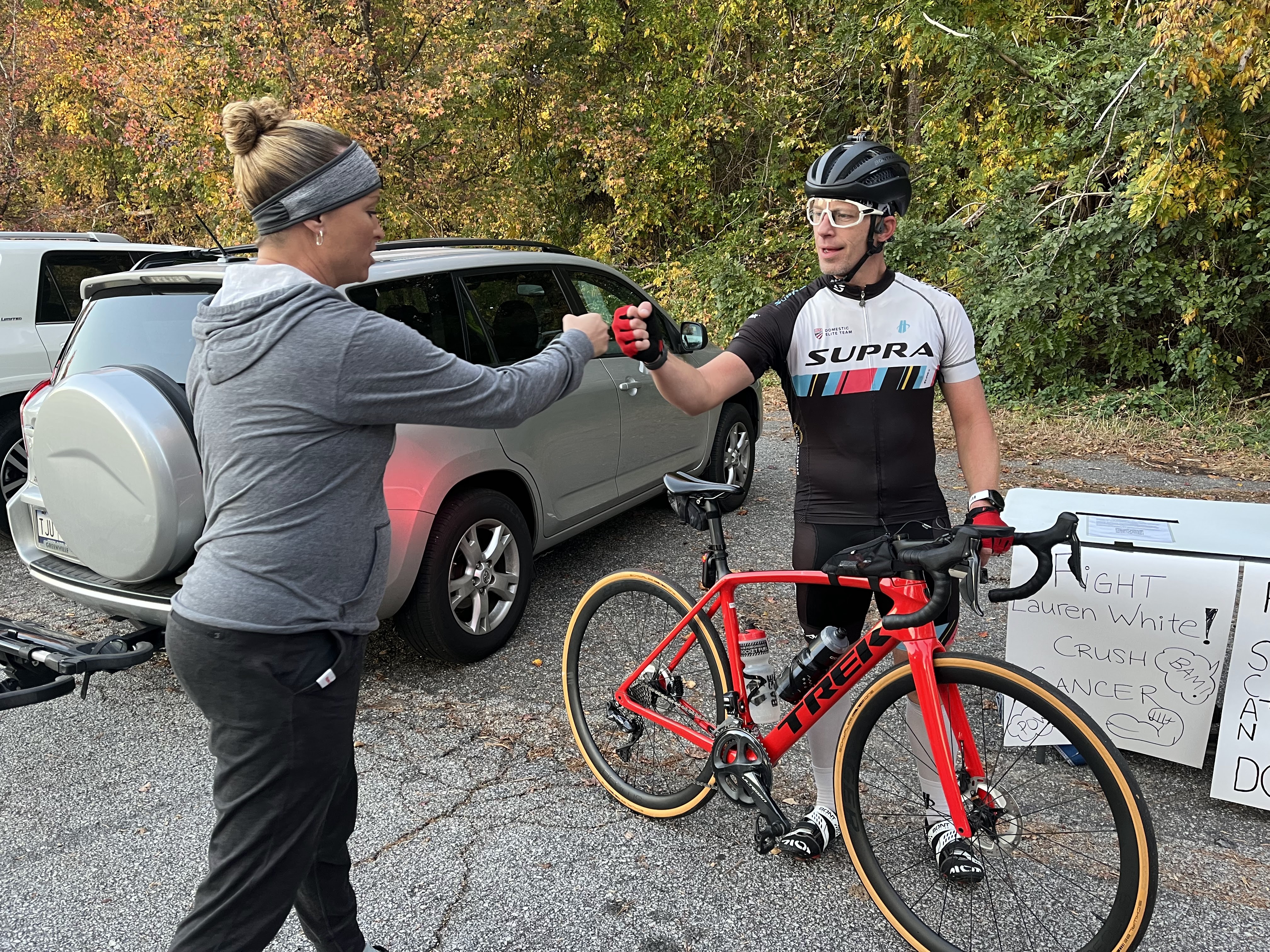


.jpg)


.png)
