We’d love to hear from you.

We welcome your thoughts, experiences, comments, suggestions, questions or personal stories. If you don't hear from us right away, please note that your email is very important to us. We will do our best to respond with 24 hours.


Greenville, SC

Trimarni is place where athletes and fitness enthusiasts receive motivation, inspiration, education, counseling and coaching in the areas of nutrition, fitness, health, sport nutrition, training and life.

We emphasize a real food diet and our coaching philosophy is simple: Train hard, recover harder. No junk miles but instead, respect for your amazing body. Every time you move your body you do so with a purpose. Our services are designed with your goals in mind so that you can live an active and healthy, balanced lifestyle.

Blog

How to remove/install the cassette on a direct drive trainer

Trimarni


At Trimarni, we believe strongly that education should be a primary component of coaching. We want our athletes to ask questions and we want to provide our athletes with a lot of educational content. To help with this, we have a weekly "check in" newsletter that includes the past weekend race results of our team members, a question of the week (and answer) and a timely educational article - on topics such as daily nutrition, sport nutrition, race day tips, mental strength, swim/bike/run skills/training/form and so much more. We also hold a weekly FB live chat (every Wednesday at 6:30pm EST) for our team on our private team page on a specific topic. For example, tomorrow we will be discussing fatigue and how to train through fatigue and how to know when to back off. We also post several videos throughout the week/month on various topics. Some are fun like "our favorite training/recovery tools" whereas others are more educational - like how to set up your gadgets and how to use the Rouvy cycling platform. Our assistant coach Joe is very tech savvy (and enjoys 3D printing) so he also provides great educational content for our team. We have a google doc drive with all of our educational content and we continue to add to it. Seeing that it's only February, we plan to cover more important topics like race day nutrition, race venue specific details and the never ending discussions of bike stuff - gear, terrain management, equipment, bike fit, traveling with your bike, etc.

Because we don't want to limit our educational athlete to only our one on one coached athletes, anyone is able to become part of our team as an educational team member. Not only do you gain access to all of our educational content, but you can also ask questions anytime and receive our team sponsor discounts and first priority to our camps.

If you are interested in joining our educational team, it's only $35 a month.  Seeing that the sport of triathlon can get rather costly, we wanted to offer this service at an affordable price so that you can get more out of your triathlon journey.

Do you want to join our team as an educational team member? If so - click HERE.

The price of a direct drive smart bike trainer has drastically dropped over the years. For example, you can find this Cycleops Hammer trainer for only $499! Karel and I have been using our direct drive trainers for several years. I have the Tacx Neo and Karel has the Cycleops Hammer (which he also uses for his bike fits). If you were wondering - we don't do our bike workouts in the same room. I am upstairs in our workout room - where I like it warm and toasty and Karel trains in the bike fit studio/garage where he can make it nice and cool. Can you and your significant other relate?

With several of our team members recently upgrading their trainers, we had several questions about how to install a cassette on a direct drive smart trainer. In a recent team video, Karel shows how easy it is to remove and to install the cassette on a direct drive trainer (as well as on your bike if you need to change your cassette for hilly terrain). 


My first book signing

Trimarni


It was a jammed-packed three days but it was all worth it.

On Thursday afternoon, I made the 2.5 hour drive to the Charlotte Running Company - Promenade location. This was a somewhat last-minute event to put together so I was grateful to have a small group of local runners, fitness enthusiasts and triathletes in attendance. A big thank you to Leyla and Kelly and Meg Fillnow for promoting (and attending). 


To start the event, I gave a short motivational talk discussing how to get more out of an exercise/training journey with becoming obsessive, rigid or extreme. I then followed up answering several nutrition questions and had my first ever book signing. While my intention as an author is to write books that are helpful, inspiring and educational, it was a great honor to sign books and to connect with my readers. I even had one female who has used my sport nutrition book in her dietetic practice - the book was filled with post-it notes and highlighted sentences.


After the event, I drove down the road to stay the night with my friends Kelly and Meg Fillnow. We spent the next hour or two chatting, laughing and snacking before a later-than-normal bedtime of 10:30pm. It was great to hang out with these two exceptionally fast, humble and awesome athletes/humans.

The next morning, I slept in until 7am and had a cup of coffee and pre-workout snack (2 slices cinnamon toast w/ peanut butter) and then went to the Y with Kelly and Meg. We had an awesome swim workout, which was extra fun in a new pool for me. There's something so fun about swimming in new locations - every pool feels different! Kelly is recovering from knee surgery due to a bike accident so she used the buoy for the entire swim but she was great company as we held the same paces throughout the entire set. 4400 yards later we were done and it was time to eat.


I enjoyed a delicious egg and veggie scramble at the Fillnow house w/ 2 slices toast and then it was time to hit the road to Roanoke. It was cold and wet outside but to my surprise, the rain turned into snow as I was driving! Luckily it wasn't sticking so it was a smooth and safe drive up to Roanoke Virgina. This is me trying to take a selfie to show Karel that it was snowing. ;)


About 3.5 hours later, I arrived to Ally's house - who was putting on my next event.


This was my first time traveling to Roanoke and it was neat to check out the area since we will be racing the innagural Ironman 70.3 Blue Ridge in June. After unloading my car, we headed to Run About Sports (the run store that Ally owns) and did a quick promo video for our event on Saturday. I received a few gifts from Ally - like a soft hoodie that I will likely wear all the time as it's so comfy.

We then drove back to Ally's house where I was welcomed by her two energetic kiddos and adorable dog.

I was able to get a little work done on the computer before it was time for dinner. Ally made a delicious black bean and sweet potato enchilada dish which was the perfect meal to end the day.


After chatting with Ally later in the evening, I went to bed a bit early (8:30am) as we had an early wake-up call. 


My alarm got me up at 5:30am and after a pre-workout snack (2 slices cinnamon toast + PB) we drove to River Edge Park to run on the Greenway. Ally and I ran a few miles before the group run at 8am. She ran me to the downtown area of Roanoke and showed me some of the popular places - like the best ice cream in town (note to self - make sure to take Karel there afer the half IM). While I didn't see the bike course (although I heard it will be very hilly - yippee), I covered the entire run course for the half IM and I love it. It will be very spectator friendly and scenic with parks and river views throughout the run. It was nice to chat with some of the local runners and triathletes - many of which will be doing their first half IM in June.


After the run, we made a quick stop at Kroger to get some snacks for the events, and then did a quick change before my speaking event. The event had a similar flow as Thursday's event but with a much larger crowd. I had a lot of great questions and met a lot of awesome people. 


After the event, I went back to Ally's house, packed up the car and headed home around 12:30pm. It was a smooth and easy drive for the next 4.5 hours and ended the day with dinner at my mom's house - while being entertained by my three nephews who were in town for the weekend.


Peanut Butter Protein Balls

Trimarni


Peanut Butter Protein Balls
Featured in Essential Sports Nutrition
Vegetarian, Vegan, Gluten Free
Yield: ~30 balls [1 ball = 1 serving] / Prep Time: ~ 20 minutes

These no-bake peanut butter energy bites make for a perfect energy-boosting treat when you are exercising, traveling, at the office or in school - they are easy to wrap and bring with you. Super easy to assemble, they offer a satiating combination of protein, carbs and fat, which is the perfect fuel during low intensity exercise or when you need to re-charge during a busy work day. Although most kids don’t need to supplement with protein powder, parents shouldn’t be worried about making these protein balls for young athletes/kids as they are a great fuel source to maintain energy levels during training and games, and a much healthier alternative to heavily sweetened, processed snacks.

Ingredients
  • 1 cup old fashioned rolled oats, dry (gluten free if needed)
  • ¼ cup chia seeds
  • 1 teaspoon of cinnamon
  • 10 dried pitted dates
  • ½ cup creamy natural peanut butter
  • 2 teaspoons vanilla extract
  • 1 scoop Vanilla or plain Protein Powder (~18-25g protein per scoop) (plant protein to make vegan)
  • ¼ cup water
Instructions
  1. Combine rolled oats and chia seeds in a food processor and pulse until they reach almost a flour-like consistency.
  2. Add the cinnamon, dried dates, peanut butter, vanilla extract, and vanilla protein powder to the food processor. 
  3. Pulse until ingredients are blended. 
  4. Slowly add water to the food processor and blend until the mixture sticks together. You may need to add more or less water depending on the dough consistency. 
  5. Transfer mixture to a large bowl. 
  6. Form mixture into 1" balls and place on parchment paper lined baking sheet. Let set for 5 minutes before eating or preparing for storage.
Nutrition facts (per serving, 1 ball): 
Calories: 54; Total Fat: 3g; Total Carbs: 5g; Fiber: 1g; Sodium: 24mg; Protein: 2g

Storage tip: To freeze, place balls on a cookie sheet and freeze for up to 2 hours. Remove from the sheet and then place into an airtight container or freezer bag. Thaw at room temperature for 15-30 minutes or warm in the microwave for 15-30 seconds. Store in an airtight container in the refrigerator for up to a week. Store in the freezer in a freezer bag for up to one month.

Should you go plant-based?

Trimarni


Question: 
There is a lot of talk right now about going Vegan and Plant Based - and how this can improve athletes performances. Obviously with the Game Changer Documentary being a big influence on this. As a sports dietitian and vegetarian, what are your thoughts about a plant based diet for athletes? If an athlete decides to go down this route, what are some of the biggest things they should be aware of in terms of macronutrients, in particular protein?

My response:
As a 27.5 year lacto-ovo vegetarian, you'd think that I may be a strong advocate of vegetarianism/veganism and would encourage everyone to rid the diet of animal protein.

When I was around the age of 10, I returned home from school and told my parents that I had become a vegetarian. I have always loved animals/creatures and this was my way of respecting the lives of animals. I can't exactly remember the root of this decision but every since that day, I have not consumed any type of meat or fish for the past (almost) 28 years. I've learned a lot over the past few decades of how to create a nourishing and energizing diet to keep me in good health while also supporting my extremely active, endurance training and racing lifestyle.

While a plant based lifestyle is a great way of living - wonderful for health, the environment and for animals - it's not necessary that you rid the diet of all types of animal protein just because you want to optimize health, improve performance or lose weight. As a sport dietitian, I've never told an athlete to change his/her diet to plant based to become healthier/fitter.

Whenever I consult with athletes who are considering a change in the diet (ex. plant based), I always ask "why?" This is not out of judgement, but to better understand the reasoning behind the diet. If you choose to be a vegetarian/vegan for animal/environmental, ethical or religious reasons that is very different than choosing to become a vegan because you want to lose weight or you want to improve your athletic performance.

If your dietary changes start to change immediately after watching a food-related documentary, we must remember that these documentaries tend to spark discussion and make you think. There can be great takeaways to foster a healthier style of eating/living, but they can also be very one-sided and present research in a way that can be very convincing, scary, and misleading. Unfortunately, in our society, many people have an all or nothing mindset about diets and documentaries often satisfy the need of presenting "facts" as all or nothing.

If you are considering a dietary change to a more plant-based diet, here are some of my tips:
  1. Plant based can mean many different thing. The first place to start is figuring out the reason behind the nutrition change as that will help drive your nutrition choices (what you choose to and not to eat). 
  2. Whenever you make a new dietary change, you never want to feel guilty, depleted or anxious when eating - it's always good to have some flexibility in the beginning with your eating changes. 
  3. If you consider yourself someone who has an obsessive, addictive or all-or-nothing mentality - especially with food, training or body image - you may be at risk for developing an overly restrictive and extreme diet. It's not uncommon for this perfectionist mindset to become all-consuming, leading to disordered eating habits. Prior to making any dietary change, consult with a Board Certified Sport Dietitian to ensure that you make practical changes with your diet while maintaining a healthy relationship with food (and your body). It's not uncommon for plant-based diets to become overly restrictive and energy/nutrient deficient due to labeling food as good vs. off-limit. 
  4. Never make extreme changes with your eating habits - especially if you find yourself avoiding foods out of peer-pressure or because it seems like everyone is doing it. Once again, you need to have a strong reason why you are changing as you are (hopefully) committing to a new forever style of eating - not a fad diet.
  5. Eliminating certain foods certainly can make room for more nutritious options - benefiting your health. But if you don't educate yourself on the possible missing links in your diet, you may risk a nutrient deficiency, low energy availability or a health issue from a restrictive style of eating. 
  6. It doesn't matter if your diet is for disease prevention, athletic performance and/or weight loss. It's more about what you are eating than what you aren't eating. Because you can't 100% prevent disease, change your body composition  or 100% improve athletic performance through diet alone, don't assume that eliminating certain foods will immediately change your health/performance/weight. 
  7. Think about your diet as not so much about not eating meat but focusing on eating more plants. This is why it's good to refer to your diet as "plant-based". This will benefit you grately - no matter what type of diet you adhere to. Nature intended us to eat real food - fruit, vegetables, whole grains, potatoes, nuts, seeds, plant based fats, lentils, beans, rice, etc. By eating more plants, you not only bring more nutrients into your body but you help the environment, animals and our planet. 
  8. If or when you choose to consume animal protein, don't be greedy or disrespectful. Enjoy, savor and appreciate your animal protein. Try to look for ways to support local companies/farmers. For example, if you do buy eggs, meat (if you choose), milk, etc. try to choose local options (nearby) or companies that use good farming and humane practices. Read about the company and their philosophy. Similar to when you buy produce, shop seasonally and look at the label and try to choose the most local option. 
  9. If you are considering moving toward a more plant based diet, eating less of something can be just as healthy or healthier than eliminating all of something. By eating less dairy, eggs and meat and incorporating more plants and plant-based proteins (ex. lentils, beans, tofu, tempeh) into your diet, you'll already be on your way to improving your health, helping animals and protecting the environment.

Food for thought
  • If a food does not agree with your body and it causes you health issues, that is great reason to avoid it. 
  • If you enjoy a certain food and that food brings value to your health/life, that is a great reason not to avoid it.
  • For every food restriction, it's important to find a nutritionally equivalent replacement (ex. if you don't drink milk, you need to find something to provide you with the calcium, protein and vitamin D that you have recently eliminated). 
  • The more restrictions you put into your diet, the more difficult it can be to eat out, travel and socialize - while still meeting your energy, vitamin and mineral needs. Be kind to yourself. While you may have really good intentions to change your diet, you also need to consider quality of life and how you can successfully make your diet work for you so that it enhances your life - and doesn't control your life. 
  • A dietary change should be viewed as a lifestyle change. Don't fall victim to a fad or quick fizes. Consider possible obstacles you may run into and how your life will need to change to maintain your new dietary changes to ensure that your health and performance is never compromised. 
  • Whenever starting a new dietary approach, try to make your diet simple and easy to execute - this will ensure consistency and optimal health and fitness improvements. 
  • A diet that doesn't have a name may just be the right diet for you. 

If you look at some of the healthiest people in the world (ex. body weight, mental health, longevity, disease prevention) who have food security (availability to food and access to it), they tend to adhere to the following type of diet:
  • A diet rich in vegetables, fruits, nuts, seeds, beans, whole grains.
  • Moderate amounts of dairy, poultry, seafood and eggs.
  • Minimal processed foods.
  • Red meat on occassion.
As you can see, this type of diet is built around plants. It's not extreme or overly restrictive, there are no hard-core rules and you won't feel like a failure (or bad person) if you eat something on occasion.  You do need to plan ahead, enjoy (or make time for) cooking and appreciate wholesome foods - three very important components of any healthy style of eating.

As for meat analogues (ex. Beyond Burger, veggie "meat", etc.), I like to see these foods more as a treat or out of convenience. Some people view "fake" meats as a replacement to meat - wanting to fulfill a void or have a similar texture/taste.There are many wonderful real food, plant-protein options that are not created in a factory - like tofu, tempeh, edamame, lentils, beans. They include real ingredients, that exist real in nature. While it's ok to occassionally include them in your diet, I don't feel these meat substitues should make up a large part of a plant based diet as they are heavily processed. So like any processed food, enjoy on occasion. Once again, plant based meals should emphasize plants - real food, made in nature.

When looking up information on vegetarianism, there can often be a hidden agenda or degree of bias with information. Be careful of blogs or websites that are not owned (or written) by Registered Dietitian (to oversee factual and practice nutrition advice). I suggest to start your research with professional organizations and consider looking into Blue Zones and Mediterrean diets for more inspiration on healthy living practices and recipes.

As a takeaway, healthy living, disease prevention, changing body composition and optimizing performance is not just about the food you eat - or choose not to eat - but how you live your life.

Athlete to Triathlete is now available!

Trimarni

Thank you to everyone who has helped to get the word out about my new book Athlete to Triathlete. I was so shocked to hear that my book received an endorsement by Gerry Rodrigues of Tower 26. Here's the link to the podcast (episode #70, ~18:15 into the episode).

If you pre-ordered the print copy, it should be on its way to you very shortly! I can't wait for you to get it in your hands. I feel like it's an easy-read but packed with a lot of useful, practical and helpful information, tips and guidelines. After you have had a chance to read through the book, if you could take a few minutes to write a review and post it online at on Amazon, I'd greatly appreciate it. Even just a few sentences can make a big difference in the success of the book.

And when you receive your copy, I'd love to see a picture of you with the book (or just the book if you are camera shy). Be sure to tag Trimarni and #AthletetoTriathlete with your picture.

Also, if you live in or around the Charlotte, NC or Roanoke, Va area, mark your calendars!

January 30th (Thursday) - 6:30-7:45PM at Charlotte Running Company Promenade (NC)
February 1st - 10-11:30AM at Run About Sports Roanoke (Va). Group run at 8am.

Mingle with the local triathlon/running community and ask me your best triathlon training, racing, daily and sport nutrition questions.

I'll also be selling my new book Athlete to Triathlete at a discounted price as well as my other two books Essential Sports Nutrition and The 365-Day Running Journal.

If are in need of updating your podcast list, I was recently interviewed by Seconds Flat where we discussed my last two books and dove deep into the topic of training.

Here is a look at some of the illustrations and tips that you will find in Athlete to Triathlete:


Safe cycling with Garmin Varia RTL510

Trimarni


Recently we received the Garmin Varia RTL510. I've always felt safe riding my bike on our country roads in and around Greenville as we live in a very bike friendly community where the cars respect the cyclists. But now cycling has become much safer for us. While the roads haven't changed, we can now ride more attentive and aware to the cars around us. 

Sold online at a reasonable price of $199 (check out your local run/bike/tri store to shop locally), here are some of the specs: 
  • Provides visual and audible alerts to warn of vehicles approaching from behi
  • nd up to 153 yards (140 meters) away.
  • Tail light offers daylight visibility up to a mile away and is visible within a 220-degree range, so drivers can see you well before the radar sees the vehicle.
  • Sleek vertical design easily mounts to most road-use bicycles, including racing, touring and commuter styles.
  • Requires a dedicated radar display unit or wirelessly integrates with compatible Garmin devices (sold separately).
  • Battery life: up to 15 hours in flashing mode or 6 hours in solid or night flash mode

    Here is a more detailed review of the Garmin Varia, as well as my video review of the product. 


Should you train by distance or time?

Trimarni

Picture Source

At the end of 2019, you probably saw a lot of "year in review" stats floating around social media from your fitness-fanatic friends. While a great way to celebrate all that your body has accomplished over the course of a year, it's not uncommon to hear things like “I only need 50 more miles to make it to 5000 miles of biking for the year, I need to run 8.37 more miles to reach my yearly goal or I didn't reach my swimming goals."

Not too long ago, GPS watches didn't exist. The website MapMyRide.com (or run) didnt exist until around in 2005. Unless you measured a distance by a bike computer, ran around a track (or marked course) or drove a specific distance in your car, there was no easy way to know your running miles. To track your workouts, you kept a written log in a journal. There was no Strava or Training Peaks to  accumulate your swim, bike or run total distance.  In many ways, life was actually a lot more simple without all of these gadgets. You start a workout, go by feel and finish by time. And there was no social comparison to validate your athletic worthiness. 

Today, people obsessively analyze over data. While data can be beneficial (when used properly), it can often lead to injuries, burnout and body image issues. Are you guilty of running back and forth by the front of your house just to make sure your run distance had two zeros at the end? Do you get anxious if you can't complete a given number of miles for the day/week? Whether it's swimming, biking or running, it's easy to obsess over even numbers - something in you tells you that you just have to get to x-miles to feel satisfied and accomplished.

As an athlete, you may be tied to training by distance for you believe that completing a certain number of miles (either over the course of several months or within one workout or week) will help you feel more physically prepared. Or, maybe you are using certain metrics to give you confidence in your abilities to complete a certain distance on race day. It's not uncommon for athletes to believe that completing a set number of miles/distance is the only way to prepare for a long distance event. At Trimarni, we prescribe all of our workouts by time for our athletes. As for me and Karel, we never go by miles when we train. Here's why.

More enjoyable workouts
When it comes to training, in my opinion (athlete/coach), completing a structured workout as planned is much more enjoyable when you can do what you need to get done, in a certain allotted amount of time, and then go on with the rest of your day. There's no chasing an outcome but focusing on the present moment. Even if you have a general idea of how much distance you will be covering within the workout, the focus is on the workout itself - not the outcome.

For example, a few weeks ago Karel and I had the exact same long run workout. We started off on the same route, did the exact same workout and Karel’s workout lasted 1:29.07 and my run was 1:37.07. Even though we did the same workout, it's obvious we differ in speed, ability and experience. So why would I go out and run 13 miles when Karel "only" runs 12 miles. Or should Karel run 14 miles just so he can run the same time as me? These are all things to consider with time vs. distance based training. When our assistant coach Joe rides for 3 hours in Jacksonville, FL, he can easily cover 60+ miles. For us in Greenville, we are lucky to get in 50 miles (so.many.hills). Training by time - with a specific workout focus to adhere to - removes a lot of pressure and expectation that can suck the fun out of training.

You are on your own journey
Ten running miles, 20 biking miles or 3000 swimming yards. To complete this distance, every athlete will require a different amount of time. But increase the intensity and you may cover a little more distance. On a day when you are tired or asked to run easy, you may cover a little less distance. If the workout is more skill focused, it may take you a bitl longer. If it's an easy day, you have the liberty to go easy. Focus on the getting through the minutes you have assigned. Try to focus on successfully accomplishing what's planned for you without comparing yourself to others or feeling like you always need to do more.

Be respectful of your body
Your workout should be based on your ability to complete a given workout within a time that makes sense for you (work/family/fitness), in your current fitness journey. Every individual handles training stress differently. There are many different ways to achieve similar physiological outcomes. And at some point, there will be little return on your training investment if miles is the only marker of a successful workout. Remind yourself that no one workout stands alone. When your training adds up and you bring fatigue to future training sessions, your fitness carries over. There are easy workouts and hard workouts. Don't worry if you don't cover the proverbial 20 mile run while training for a marathon, a 3 hour run when training for an Ironman or a 112 mile bike ride. Many injuries (and burnout) occur from the ongoing need to chase miles at any cost. Don't compare your pace to anyone else (or a past version of yourself).

New perspective
When a workout is assigned by distance, a few things can happen. You may look for the easiest (or quickest) way to accomplish the distance instead of selecting a terrain or course that works on your weaknesses. You may feel judged by others seeing your stats and feeling like you are "too slow." You may end up going too hard or you speed up to try to get in the assigned distance when you are crunched for time. Not worrying about the distance completed can bring less pressure to the workout, which means that you give your best but also listen to your body.  By going by time, you bring a new perspective to your training, you gain confidence from consistent training (less risk for injury/burnout) and you have more joy for what you get to do with your amazing body. 

Because most athletes associate miles to their longest weekly workouts, here's how we do "long workouts" at Trimarni coaching for our Ironman athletes. As a reminder, feeling prepared for a long distance event is so much more than just checking off workouts. Not only do you need to arrive healthy, motivated and injury free to experience success on race day but you also need to have a well planned nutrition strategy, a good understanding of how to manage the given terrain/conditions and great mental fortitude. 
  • Swimming: Instead of putting all the focus on distance, we schedule workouts between 45-90 minutes and always focus on frequency swimming - 4-5 times per week. We also include specificity in every workout, strength work (towel, band, agility paddles, tech paddles) and speed within endurance sets. We don't believe in long, slow continuous swimming (ex. 3-4 x 1000's) but instead, swimming well (ex. lots of 25s-100's with short rest to build endurance).
  • Biking: We always go by time and the miles are never the focus. There is structure in every long ride (intervals) that we prescribe and we feel the sweet spot duration for Ironman biking volume is between 4-5 hours - with intensity and running off the bike. Rarely do we have athletes riding longer than 5.5-6 hours. We also have our athletes biking a lot, with ~50% of weekly training volume coming from the bike. This biking frequency makes for great overall fitness gains. 
  • Run: We never have our athletes run over 2 hours. Most of our Ironman athletes will run for 1:45-2 hours as their longest run. But, we also do a lot of two a day runs, back to back to back run workouts (ex. Fri PM, Sat off the bike, Sat PM, Sun AM), brick runs, strength-based runs (hills and weight vest treadmill walking) and progressive runs. We also really enforce good form running - helping our athletes learn how to run efficiently well. There is little to no physiological benefit from the added work that the body has to endure when running more than 2.5 hours. Most often, form suffers and the risk for an overuse injury increases. Plus, after 2.5 hours of running, your body needs a tremendous amount of time to recover. In the sport of long distance triathlon, it's not about being fast but being great at not slowing down. What preceeds the run greatly impacts how well (or not well) you will run off the bike. 


My new book Athlete to Triathlete will be released on 1/28! There's still time to place your pre-order: Athlete to Triathlete

Kale, Broccoli, and Sesame Noodle Salad

Trimarni

This Kale, Broccoli, and Sesame Noodle Salad is bursting with flavor. The veggies and homemade dressing fancy up those inexpensive packages of ramen noodles (no need to use the soup base flavor packets as they are packed with sodium and not needed in this recipe). Serve this salad at room temperature or make ahead, refrigerate, and serve chilled (the leftovers are even more flavorful!). Add your favorite protein and you have a flavor-bursting balanced meal.

Kale, Broccoli, and Sesame Noodle Salad
By Joey Mock, RD, LD, CLT

Shopping list
  • Head of broccoli 
  • Garlic cloves (2)
  • Sweet chili sauce
  • Red wine vinegar
  • Canola oil 
  • Kosher salt
  • Black Pepper
  • Scallions (3)
  • Ginger 
  • Kale (large bunch)
  • Dried ramen noodle packages (2)
  • Optional: Mint, sesame seeds for garnish 


Ingredients
  • 1 large head of broccoli, cut into medium sized florets with some stalk attached
  • 2 garlic cloves, minced, divided
  • 1½ teaspoons sweet chili sauce
  • 1 tablespoon plus ½ cup red wine vinegar, divided
  • 2-3 Tablespoons plus ½ cup canola oil, divided
  • ½ teaspoon kosher salt, plus additional to taste
  • ¼ teaspoon freshly ground black pepper, plus additional to taste
  • 3 scallions, green parts only, thinly sliced, plus more for serving if desired
  • 1 3-inch piece ginger, peeled, cut into 1-inch matchsticks
  • 4 cups fresh curly kale (about a bunch) leaves only, stemmed and chopped (or Tuscan kale leaves)
  • 2 x 3-ounce packages dried ramen noodles (discard flavor packets)
  • Torn mint leaves and toasted sesame seeds, for garnish
Preparation
  1. Preheat oven to 450°. Toss broccoli with 1 clove minced garlic, sweet chili sauce, 1 Tablespoon red wine vinegar, and 2-3 Tablespoons oil (until broccoli is lightly coated) on a rimmed baking sheet; season with salt and pepper. Roast, tossing occasionally, until tender and starting to brown, about 20 minutes.
  2. Meanwhile, whisk scallions, ginger, 1 clove minced garlic, ½ tsp salt, ¼ tsp pepper, remaining ½ cup red wine vinegar, and ½ cup oil in a large bowl. 
  3. Add kale; toss to coat. Massage until the kale starts to soften and wilt, about 2 to 3 minutes. Set aside at room temperature. 
  4. Cook ramen noodles according to package directions (discarding flavor packets and skipping that step on the package). Drain noodles and rinse under cold water. Add noodles and broccoli to kale and toss to coat. 
  5. Divide amongst bowls and top with mint, sesame seeds, and additional scallions if desired.
Adapted from: bon appetit recipe.

3 easy steps for effective meal planning

Trimarni


Over the past few weeks, Joey and I have dedicated our free weekly Trimarni newsletter to the topic of lifestyle changes - specifically meal planning. You can have all the best intentions to eat a more nutritious diet and you may even have a variety of nutritious foods at home. But a busy schedule is one of the top reasons for not staying consistent with nutritious eating habits. Thus, the perfect reason to become better at meal planning. 

Imagine the scenario where you are exhausted, hungry and crunched for time and within a few minutes of walking through the door, you have a delicious home-cooked meal (or brown bag lunch) ready for you. If it sounds too good to be true, with a bit of planning you two can make this a dream come true.

One of the most common reasons why most people struggle with meal planning is that there are many different types of meal prepping strategies. With so many different methods, you want to consider your grocery shopping style, work/life schedule, activity regime, cooking ability and food preferences. Not only does meal planning save time but it also saves a lot of money. It also contributes to a more nutritionally balanced diet as you can avoid those tempting last minute food-related decisions that occur out of exhaustion, hunger and being crunched for time.

To help you out, Joey put together a three-part series (featured below) to help you get more comfortable with meal planning. Like anything in life, don't look for hacks and quick fixes. Take some time to figure out the best style of meal planning that works for you and your lifestyle/family.

Step One: Selecting Recipes


Just as you plan out your week for work projects, training, family events, and so on, having a plan for what you’ll eat can reduce the daily stress of having to answer the questions of “what’s for breakfast, lunch, or dinner?” Meal planning is different for everyone and there is no one right way to plan your meals. It is vital to begin somewhere - give it time, and revise as needed until you find the process that is effective for you.

The first key step towards effective meal planning is selecting recipes. If your breakfast and lunch meals tend to be pretty consistent and simple (think options like cereal, oatmeal, eggs, and yogurt/fruit for breakfast and sandwiches/wraps, salads, grain bowls, and leftovers for lunch), a good place to put your energy is by selecting healthy recipes for dinner. Start small with maybe 2-3 recipes per week. Either batch prepare or cook on the nights that you may have more time. There are a plethora of recipes available through cookbooks, magazines, online (such as on food blogs, food websites, manufacturer websites, social media), meal planning apps such as Mealime, and your past Trimarni newsletters :-). Think about your goals for meal planning and choose recipes accordingly such as:
  • Do you want a meal that can be made in 30 minutes or less?
  • Do you want to use your slow cooker or Instant Pot?
  • Do you want mostly casserole options to have more leftovers?
  • Would you like to incorporate more theme nights to keep dinner fun such as Meatless Monday or Taco Tuesday?
  • Would you like to focus on what is in season in your area or on sale?
Plan for familiar recipes in the mix that you are comfortable making (and that you and your family love) and then add in some new ones. Once you have selected your recipes, be sure to organize them in an easy and accessible way that works best for you - such as in a notebook, a Google Doc, or in a meal planning app. After you have made a dish, keep notes on things such as:
  • Any modifications that you made to the original recipe?
  • What you would try next time to make it your own?
  • Would you make this recipe again?
  • Was this recipe easy to make or time consuming?
  • Would you use this recipe as part of your usual meal rotation?
Remember that not all meals in your diet have to be home cooked. A healthy diet has room for outside eats. Leave room in your meal planning regime for a pizza night or take out, if that is something that is important to you. Also, keep in mind that there are meal planning services to assist with meal planning if it all seems too overwhelming.

Meal planning is a marathon, not a sprint. Be realistic. This may mean starting slow and being patient as you create a process that is sustainable (and enjoyable) for your lifestyle.

Step Two: Make a List, Take Inventory, and Go Shopping

Once you have selected your recipes, the second key step in effective meal planning is a 3-part process that involves;
1) Making a list
2) Taking inventory
3) Going grocery shopping

Start by looking at each recipe that you plan to make and creating a master list of the ingredients that you will need for each one. Check your pantry, cupboards, and refrigerator to see what you already have on hand and cross those items off your master list (if an item is a kitchen staple that you like to keep on hand, make sure to always keep that item in stock at your house).

You now have an actual grocery list. If you typically shop at a specific food store, you might try re-writing your list by grouping items by department (such as produce, frozen, dairy, etc) or how you typically shop the store. This will help to keep you organized and for saving time.
Grab your reusable grocery bags and head to the store.

When you return home from shopping, consider preparing foods that can be dealt with ahead of time. This will help you save time when cooking your meals. For example, wash and chop fruits and veggies, cook grains/potatoes, roast veggies for a dish, or brown ground meats. For even greater time savings, purchase pre-cut fruits and veggies if you don't want to spend time chopping.

Some of the meal planning or recipe services/apps will generate ingredient/grocery lists for you from the recipes that you have selected. If you use one of these services, simply do your inventory, go shopping, and prepare what you can when you get home.

Step Three: Meal Preparation
Now that you have your recipes selected, ingredients purchased, and some ingredients prepped, it’s time to start preparing your meals. You are one step closer to eating!

One of the biggest drawbacks of cooking at home is the time it takes to prepare a meal. Meal preparation can be time consuming, especially if you are the only one preparing food, cooking meals, and cleaning up. Since schedules vary greatly, how you complete this step will require some trial and error until you find the process that works best for you and your family. For example, if evenings are busy and leave limited time for cooking, you might find it easier to pick a day each week that you set aside a small chunk of time to batch prepare all of your recipes that can be made in advance. Prepare what you can ahead of time so that you don’t have to start from scratch every night or, if possible, make the full meal and portion leftovers into storage containers to be reheated. Consider giving each family member a task such as chopping, mixing, or washing dishes. This way each person can contribute to the meal which can be a time saver.

Don't forget to prepare items that you will use for quick breakfast and lunch options, such as baking chicken breasts or tofu for sandwiches/wraps/salads, cooking your grains (brown rice, farro, quinoa, etc) for grain bowls, and whipping up some overnight oats for a speedy breakfast. Tackling dinner meals in advance will allow for reduced stress, faster, easier, and more enjoyable evening meals.

No matter how well you plan, chances are pretty good that your plan will go awry at some point. Don't give up just because one meal goes sideways. Have a back-up plan with things on hand that can be easily made (like wraps, omelets, or frozen tortellini) in case of unforeseen circumstances such as working late, not feeling your meal choice, cranky spouses or kids, etc.

Meal planning is a work in progress.
  • Give it a try
  • Give it time
  • Forgive any missteps
  • Revise as needed to best find the process that works for you
  • Aim for a successful meal planning habit

Upcoming Speaking Events and Book Signing

Trimarni


I'm excited to announce two upcoming speaking/book signing events. 

If you live in or around the Charlotte, NC or Roanoke, Va area, mark your calendars! 
Mingle with the local triathlon/running community and ask me your best triathlon training, racing, daily and sport nutrition questions.

I'll also be selling my new book Athlete to Triathlete at a discounted price as well as my other two books Essential Sports Nutrition and The 365-Day Running Journal.

I'd love to meet you, learn more about your athletic journey and personalize your book.

RSVP here: 


Here's what people are saying about my new book Athlete to Triathlete.

"Marni Sumbal's book, From Athlete to Triathlete, is one of the most complete guides for athletes of all levels that I have read. Marni Sumbal is a "real life" Coach, dealing with "real life" people.  Her ability to make the sport of triathlon less intimidating is a wonderful testament to the work she does on a daily basis.  They say, "There are no dumb questions" but let's be honest we all have questions that we are afraid to ask.  Marni's book answers so many questions and lays out such an accessible journey that even if you read the book and never toe the line in an actual race your life will just be better!  Leading a healthy and well balanced life is actually what most of us are after.
Thank you Marni for sharing your knowledge, experience and passion for sport with all of us."

Erin Carson CSCS. ECFIT Strength
Erin Carson has been a Strength Coach for over 30 years.  She has coached some of the World's most successful professional endurance athletes and maintains an online coaching profile for athletes of any age or ability.

"Just reviewed the book, all chapters. Well done to Marni. It's simple and right to the point; it's needed, and it's an easy read."
―Gerry Rodrigues Tower 26


"Marni is a wonderful coach, author and athlete. Her ability to integrate science, wisdom and experience into each individual training plan is rare in the coaching industry. Her passion for performance shines bright with her athletes, camps and publications."

―Stephen A. Black, DSc, M.Ed, ATC/L, PT, CSCS, IDNC

Rocky Mountain HPC
Sports Medicine Specialist
Rocky Mountain Human Performance, Inc
Florida Gulf Coast University
Joint Implant Surgeons of Florida


"Athlete to Triathlete is a fabulous resource for athletes venturing into the sport of triathlon. The book discusses basic training principles, details each discipline, gives helpful tips on transitions, and shares important ancillary training methods such as strength training and stretching for triathletes. Additionally, Marni is a sports dietitian and has a whole chapter on proper daily nutrition and race fuel. The book ends with a great 12-week training plan that can be modified based on athletes’ fitness levels. I highly recommend this book to any aspiring triathlete and if you follow her expertise, you will surely succeed."
―Meghan Fillnow, Fillnow Coaching

"Marni Sumbal's new book, Athlete to Triathlete was an exceptional read, leaving every question answered so an athlete can succeed as they enter the sport of triathlon! She addressed many often-overlooked components that are needed to succeed on race day. I appreciate her holistic approach so the athlete leaves knowing that triathlon is far more than just swim, bike, and run training. I feel like an athlete could succeed in a triathlon knowing nothing prior to reading this book!"
―Kelly Fillnow, Founder/CEO at Kelly Fillnow Coaching Company Fillnow Coaching

"Been toying with the idea of signing up for your first Triathlon? Or maybe you've done one or two, but would like to learn more about this sport? Then this is the book for you. I have been fortunate enough to get an advanced copy to review and it’s amazing! First, I'll start with the negatives! There's only one! I wish I would have had this book two years ago when I was just starting my journey into Triathlons, It would have reduced my stress level immensely!! This book is focused on “Sprint” and “Olympic” Distance Triathlons. These are most likely the event distances that you will be entering as a new Triathlete. She talks in depth about the process of SwimBikeRun, Transitions, Race Preparation, Sample Training Plans and also adds in a healthy dose of Sports Nutrition along the way. I've completed the Sprint and Olympic distance triathlons along with two long distance triathlons (Ironman 140.6 and Ironman 70.3), and I've already picked up a number of new things from this book that will benefit me this season."

― Richard Brown

Unconventional triathlon run training

Trimarni


Over the past 14 years as a triathlete, my body has experienced a wide variety of run workouts. Without getting into too much detail, I've learned that some workouts build confidence, some workouts don't carry over to performance improvements, some workouts increase the risk for injury and other workouts are really beneficial to the demands of triathlon.


Becoming a better at running off the bike is much more than training for speed or distance or accumulating weekly running miles. Proper run training means you must think like a triathlete and not like a runner. 

If you think about the sport of triathlon - specifically any distance at and above the Olympic distance - the sport is all about resisting fatigue. Speed is relative to the distance. 

One of the most important physiological components of successful triathlon racing is resiliency. The stronger and more efficient you are, the easier it is to resist fatigue. Training to improve your 5K or half marathon times in a road race will not guarantee that you will become a better runner off the bike. In fact, historically, most of the top triathletes lack a background in competitive running. Some elite triathletes can run faster off the bike relative to their own stand-alone run times! Not surprisingly, triathletes with a great background in cycling tend to fair better running off the bike than their competitors.

In my book Athlete to Triathlete, I discuss four main areas that will help you become a better triathlon runner. While there's no order of priority to the following, it's unlikely that your running will improve if you master one without the others.
  1. Learn easy, efficient running. 
  2. Improve swimming and cycling. 
  3. Triathlon is a strength-endurance sport.
  4. Practice proper fueling and hydration. 

Here are a handful of my recent run workouts. As you can see, there is a wide variety of workouts, no workout is set by miles (all by time) and there are no pace guidelines to adhere to. I also have the freedom (and permission) to walk and reset my form anytime (which I do often). Some workouts are repeatable but many are new. With this said, I look forward to my run workouts, I love feeling challenged by some workouts, I really enjoy the runs when I can run as easy as I want and I find myself feeling accomplished after every workout. Even though I listed the more specific run workouts, I also do a lot of brick runs and most of them (unless I run on the treadmill) are on hilly terrain (so the terrain is the interval and I focus on running well up and down the hills). I always start my stand alone runs with ~15-20 min of mobility, light strength and dynamic stretching. And I always bring liquid calorie sport nutrition with me (and consume it) during every single run (with my Naked Running Band).

Treadmill Walk (50 minutes)
WU: 10 min EZ jog

Pre-set:
4 min walk 10% incline
2 min walk 12% incline
1 min walk 15% incline
1 min rest

MS: (with 20 lb weight vest)
4 x (4 min walk at 15% incline w/ 20 sec rest btw)

Post set:
12 min form focused running at 1% incline

CD: walk
--------------------
Neuromuscular firing run (50 min)
WU: 15 in EZ run

MS:
30 minutes as (1 min fast/4 min best easy pace x 6)

CD:
5 min EZ
------------------
Strength run (80 minutes)
WU: 20 min EZ
Pre-set:
15, 30 45 sec build effort to strong uphill w/ EZ jog down btw each

Main set:
4 x (3 min steady strong uphill w/ smooth good form running down)

Post set:
30 min best easy pace
------------------
Variable speed (1:45)
WU: 20 min EZ running

Pre-Set:
30 sec Fast/ 90 sec EZ
60 sec Fast/ 90 sec EZ
90 sec Fast/ 90 sec EZ
60 sec Fast/ 90 sec EZ
30 sec Fast/ 90 sec EZ
10 min Best EZ Pace

MS: 2 rounds
10 min as (1 min at tempo / 1 min Strong x 5)
20 min Best EZ Pace

CD: Walk

How to avoid training/exercise guilt

Trimarni

  • Do you feel guilty when you make time for yourself to exercise? 
  • Does your spouse/significant other/family/friends feel like they are low on your priority list because you are an athlete? 
  • Do you have a hard time saying yes to your own fitness needs because you feel like you are always saying no to someone/something else? 
  • Are you in a relationship with someone who doesn't understand (or fully support) your active lifestyle or training/racing goals? 
From the outside looking in on your lifestyle, it may seem like exercise is an obsession to you or that it must come before everything else in life. Despite having all the tips and tricks for integrating exercise into your extremely busy life, your mindset may keep you from staying consistent - because everytime you begin a workout you feel like you should be doing something else.

On our Trimarni Women-only private Facebook page, this topic was recently discussed and several of our female team members provided some excellent feedback, tips and advice on the topic of training/exercise guilt. I thought it would be beneficial to share some of their tips (slightly edited for anonymity) that apply to the topic of this blog.
  • Triathlon first. It's your sanity, it's your you time, it's your self care. 
  • You have every right to prioritize things in your life that are important to you and that keep you healthy. 
  • People should support me in being my best self.
  • You deserve to be with someone who lifts you up and accepts you for exactly who you are.
  • I need to prioritize time for myself.
  • On top of work, kids, family and understanding that you have to be flexible - you have to keep yourself sane & healthy - emotionally, mentally & physically for them and for you. 
  • Find the compromise where you can stay true to yourself and what makes you happy, while still being available for others. 
  • When my children were young, I would hire a sitter to get in a long run in. Self-care is so important, and I knew if I didn’t take care of myself, I couldn’t be a good wife, mother, friend, daughter. I don’t recall what the turning point was for them, but they all finally realized exercise is my therapy, and now encourage it. Take care of yourself and don’t question your passion.
  • I use triathlon and endurance sports to balance me mentally and in turn I am a better wife, mother, daughter and worker. At times people in my life have expressed how they thought I was being “selfish” spending my time training when I could be doing something else, etc. I have come to realize more then ever (and my family has too), that I need to take care of myself in order to be able to take care of my child, family and nurture a healthy relationship. After overcoming a very long health issue, now that the mental and emotional aspect is more evident to them. I think they realize that it wasn’t me being “selfish” and prioritizing triathlon over them but rather taking care of myself. 
  • My husband isn’t an athlete, and he doesn’t always come to my races, but he’s never questioned my time spent training & racing away from him and/or money I’ve spent to do it. You have to take care of yourself to be the strongest, best you for others. 
  • Live a lifestyle that makes you healthy, happy, and the best version of you. I know that can be hard for a non-athlete to understand but you shouldn’t have to sacrifice that. It's not about prioritizing training over something/someone else, but that training is just part of who you are and a part of your daily life — because it makes you happy and healthy.
  • I had a long term significant other who couldn't see that when I wanted to take care of myself and reach my athletic goals that it wasn't about him, it was about me. Getting off the couch to go for a run wasn't about not wanting to spend time with him, it was about me feeling good about me. Take care of you and you will be able to be the best person you can be. 
  • You can't take care of others if you don't take care of you. It is a balancing act but triathlon helps make you the strong person you have grown into. That's what helps you be the best you, especially during hard times. 
Do you know someone who loves swimming, biking or running? Perhaps a friend is overcoming sport burnout/injury and is looking for a fun, new athletic challenge? To help grow the sport of triathlon (specifically, making it more inclusive for women, youth and various ethinic groups), my new book Athlete to Triathlete will simplify the sport to help individuals safely and confidently enter the sport of triathlon, while exemplifying that the sport of triathlon is welcoming to newbies and beginners. Athlete to Triathlete provides up-to-date information and expert guidance to make the triathlon training journey and race day experience safe, fun and memorable. You can pre-order your copy here for the 1/28 release: Athlete to Triathlete.

Carrot Cake Muffins

Trimarni


Raise your hand if you also love carrot cake? I have a confession to make. I love carrot cake. Maybe because it’s a cake made with a vegetable. This sweet, spicy and moist cake is my favorite way to celebrate my birthday each year. A tradition that started with my dear friend Laura making me a delicious carrot cake for my birthday back in ~2009. 

With my carrot cake muffins, we can all yum over carrot cake all year long and feel great about the nutritional quality in the recipe. Because the typical carrot cake recipe (with cream cheese frosting) can be extremely high in calories, sugar and fat, you can feel good about this more nutritious (on-the-go) version which uses applesauce to cut back on oil.  Since carrots are naturally sweet, you’d never know there was only ½ cup brown sugar in this entire recipe.


Carrot Cake Muffins
Vegetarian, Dairy Free
Yield: Makes 12 muffins [1 muffin = 1 serving] / Prep Time: ~20 minutes / Cook Time: ~20 minutes

  • ¼ cup unsweetened applesauce
  • 1½ teaspoons canola oil
  • ½ cup brown sugar
  • 1 egg
  • 1 teaspoon vanilla extract
  • ¾ cup finely chopped carrots (about 3-4 medium sized carrots)
  • ¼ teaspoon salt
  • 1 teaspoon cinnamon
  • ¼ teaspoon nutmeg
  • 1½ teaspoons baking powder
  • 1 cup all-purpose flour (to make gluten-free, you can use gluten-free baking flour)
  • ¼ cup walnuts, chopped

  1. Preheat oven to 350°F. Line a muffin pan with twelve muffin liners.
  2. Process carrots in a food processor until finely and evenly chopped.
  3. In a large bowl or stand mixer, beat together applesauce, vegetable oil and sugar until combined. Mix in egg and vanilla. Add carrots and mix until combined.
  4. Add the salt, cinnamon, nutmeg, baking powder, and flour to the applesauce mixture and mix well.
  5. Divide batter evenly between muffin lined cups in muffin pan (a #40 cookie scoop works very well to portion batter into liners).
  6. Top each muffin with a few chopped walnuts.
  7. Bake for 17-20 minutes or just until a toothpick inserted in the center comes out mostly clean.
  8. Cool on a wire rack.

Time-saving tip:
Baking cup liners will make it easy to get these muffins out of the pan with minimal clean-up. However, to avoid some of the muffin sticking to the inside of the liner, make sure the muffin is cooled completely before removing from the wrapper. Also, choose nonstick liners.
Storage: Store in an airtight container for one week or freeze the leftovers in a heavy duty freezer bag for up to 2 months.

Should you avoid berries in your post-workout smoothie?

Trimarni


I've heard some recent talk by athletes of their concerns of a post-workout smoothie containing berries and greens. Athletes are hearing that they should avoid berries and greens for at least 4 hours post workout in order to optimize recovery. The case for avoiding antioxidant rich foods immediately after exercise is based on research saying that "antioxidant supplements seem to be working against the beneficial effects of exercise: Promoting, rather than reducing, oxidative stress." In other words, antioxidants can actually increase inflammation, rather than decreasing it.

As a Board Certified Sport Dietitian, I'd like to share my thoughts on this topic. But first I'd like to say that this is a topic that needs much more quality research before we (nutrition experts) can make a general recommendation to apply to all athletes.

  • A free radical is an unstable molecule that’s missing at least one electron in its outermost orbit, which causes it to be negatively charged. Exercise increases the concentration of free radicals. Your body can also be exposed to free radicals from environmental sources, such as cigarette smoke, air pollution, and sunlight. Free radicals can cause “oxidative stress,” a process that can trigger cell damage. Free radicals have been to blame for many degenerative diseases, cancers and advanced aging.
  • Antioxidants are substances that inhibit free radicals. Antioxidants supply free radicals with an electron and stop the chain reaction of the free radical stealing elections from healthy molecules.
  • As a way to reduce free radical production, we have been told to increase antioxidant concentrations. A well balanced healthy diet should be rich in antioxidant rich foods. We should not be afraid to eat antioxidant rich foods throughout the day.
  • For athletes, exercise can lead to an increase in free radical production during endurance and anaerobic exercise. For a while, experts were advocating for the use of supplements post exercise as a way to combat exercise-related free-radical to quicken recovery and to reduce post workout soreness. However, research has shown that increased free radical production post-exercise serves as an important signaling mechanism for favorable training adaptations. Most of the research has been on high dosage oral forms of antioxidant supplementation (A, C and E) - not food sources. From this research, it became clear that athletes should not supplement with antioxidants as it may be detrimental to training and performance. There is good evidence that athletes (and active individuals) should not supplement with antioxidants - I agree strongly with this (plates not pills).

Practical applications:
  • There are few studies that I am aware of on comparing food sources of antioxidants (ex. blueberries) with the impact on oxidative stress. I don't feel we can yet make a clear statement that all antioxidant foods should be avoided 4-6 hours post workout.
  • In research, the doses of antioxidants consumed are usually 10-17 times grater than the RDA. I feel comfortable saying that if you want to enjoy a 1/4 cup of blueberries, a small handful of spinach or 2 strawberries in your smoothie, this should not negatively impact your recovery process.
  • To speed the recovery process the focus should start with protein/carbs/fluids/sodium. If this is done correctly, antioxidant rich foods do not need much of a spotlight post workout and can be instead, enjoyed later in the day. I feel comfortable saying that if you have a milk/protein and a handful granola post workout, you can still enjoy a bowl of oatmeal with goji berries and raspberries and not worry about negatively impacting your recovery.
  • It can be misleading to say that all antioxidants should be avoided post workout and for how long. If you crave a glass of orange juice after a workout, you shouldn't be afraid to consume it. Putting fear into consuming real food can be troublesome.
  • This is also one of those scenarios that we must see sport nutrition applications as "synergy" - we can't blame or put attention to just one nutrient. We don't know if post workout antioxidant supplement combined with protein will hinder performance. Also, different types of exercise induce different stressors in different people. Most studies are just on antioxidants and on small subjects (mostly men).
  • I feel the better way to make this recommendation is to say there has been a long-standing belief that all oxidative stress is harmful for athletes. This has led to a widespread consumption of antioxidants. Because antioxidants are among the most commonly used supplements by athletes, we now know that antioxidant supplementation provides no beneficial effects on health and performance. Avoid antioxidant supplements and no need to overemphasize consumption of antioxidant-rich foods post workout.
I hope this helps to clear up any confusion. 

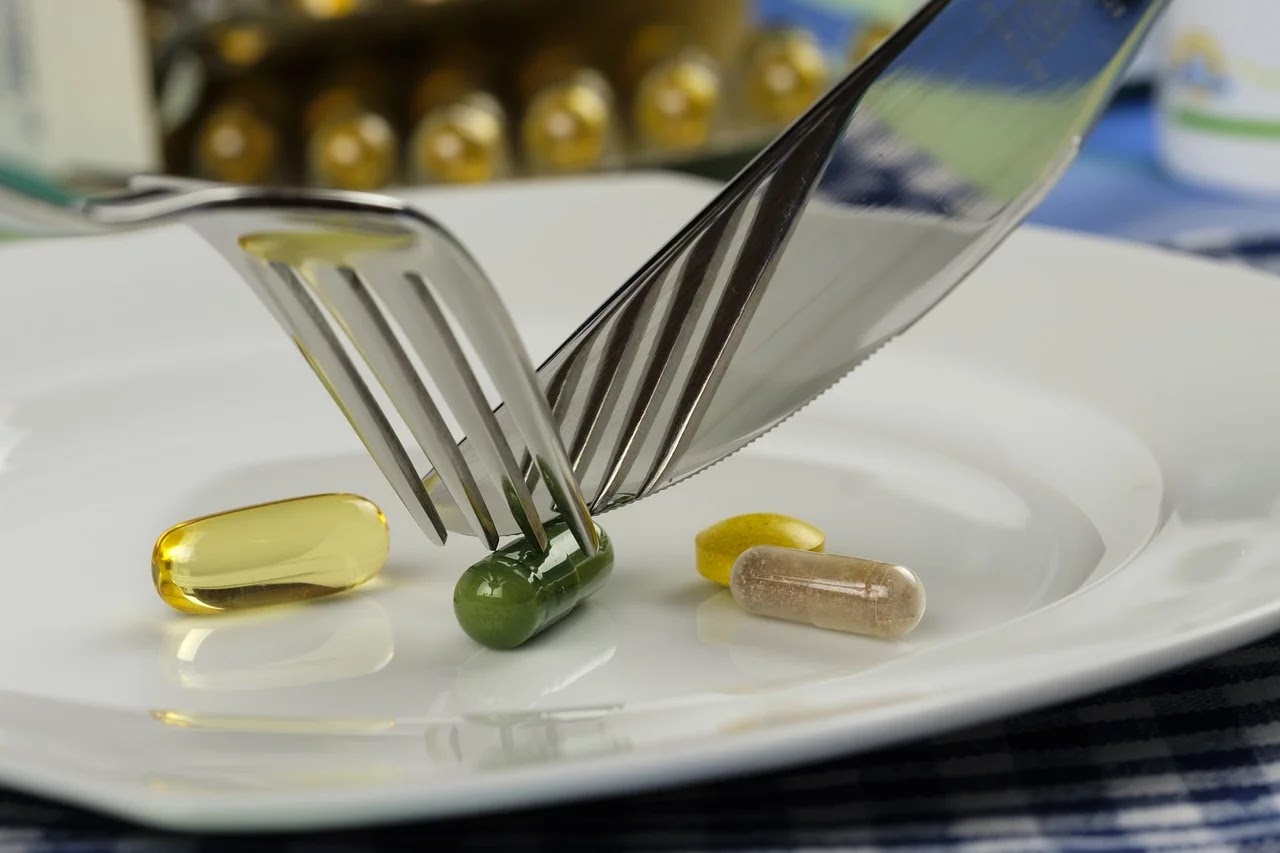
Should you take supplements?

Trimarni


From the Quality Supplements website: 

"The term “dietary supplement” describes a broad and diverse category of products that you eat or drink to support good health and supplement the diet. Dietary supplements are not medicines, nor should they be considered a substitute for food.

Dietary ingredients can be one or a combination of any of the following:
-Vitamin
-Mineral
-Herb or other botanical
-Amino acid (the individual building blocks of a protein
-Concentrate, metabolite, constituent, or extract

Although some herbal and mineral compounds have been used for hundreds of years to treat health conditions, today dietary supplement manufacturers are not legally allowed to say their products cure, treat or prevent disease. Supplement makers can say their products support health or contribute to well-being.

That is because Congress does not regulate dietary supplements the same way it regulates medicine. Except for new dietary ingredients, dietary supplement manufacturers do not need to prove to the U.S. Food and Drug Administration (FDA) that a product is safe or effective to be able to sell them. And, unlike medicines, which are required to meet USP standards to help ensure product consistency across multiple manufacturers, USP standards are voluntary for dietary supplements.

Dietary supplements are widely available in health food stores, drug stores, grocery stores, fitness centers and online and they come in many forms including: 2 piece capsules, soft gels, tablets, bottles of liquid, powders and gummies."

In my opinion, supplements are not the same as sport nutrition products like sport drinks, bars, gels and chews. The later are products that are formulated in a way to optimize performance and healthy by providing the body with nutrients (ex. carbohydrates, sodium, fluids), in a precise formulation, that are used by the body during activity. They are backed by science/research to demonstrate a performance benefit if used correctly. Because not all sport nutrition products are created equal, prioritize simple ingredients in the nutrition profile (carbs/sugars/electrolytes).

So when it comes to supplements, why do athletes take them?
  • To boost performance.
  • To improve health.
  • To gain the competitive edge.
  • For medical reasons.
  • Because something is trendy (endorsed by a professional athlete).
  • Because a coach said so.
  • Because an article said so. 
  • To overcome a nutrient deficiency.

Occurring in many different forms, like tablets, liquids, powders, bars, creams, injections and capsules, commonly sought-after vitamin and mineral supplements include iron, B12, probiotics, creatine, beet juice, Ashwagandha, Rhodiola rosea, vitamin D, calcium, multivitamins and antioxidants like vitamin C, E and Q10.

Because most supplements are poorly regulated and contain multiple ingredients, many can be problematic to your health and performance. Not to mention making it difficult to know or predict the efficacy and safety of your desired product. As an example, high-dose antioxidants (vitamin C, E) may prevent important training adaptations such as creating new muscle mitochondria, muscle growth and improving insulin sensitivity.

Supplementing in certain situations may be necessary, especially if you fall into any of the following categories:
  • Dieting/intentional undereating
  • Vegan/Vegetarian
  • Lactose intolerant
  • Food allergies
  • Crohn's or Celiac disease
  • Limited sunshine
  • Extended periods of traveling
  • Considering pregnancy/Pregnant
  • Elderly
  • Nutrient deficiency on blood test
If you are currently using or considering a supplement, here are a few tips:

☑️Choose your supplements wisely. Do your research. Only take what is most necessary for your health.

☑️Review your supplement on Supplement411 for banned substances (or being high risk).

☑️Look for the NSF certified for sport mark.

☑️What are the benefits and risks to the supplement?

☑️ Choose nationally recognized, reputable brands. 

☑️ Make sure you consume an appropriate amount by reading the label.

☑️Test don't guess. Get your blood tested to determine the right individual nutrient (and how much you need) for a true nutrient deficiency.

☑️When a specifically identified nutrient hole exists in your diet (from a blood test), and food won’t fill the gap, choose an individual vitamin and mineral supplement to ensure you are consuming exactly what you need - nothing more, nothing less.

☑️Consult with a Board Certified Sport Dietitian to review your diet and medical/health history/status.

As a reminder, it’s best to first try to obtain your vitamins and minerals from food – just like Mother nature intended you to eat.

My Ventum received a makeover - and she sparkles!

Trimarni


Although life is never easy, 2019 gave us several difficult moments that left us emotionally and physically drained. My intention for 2020 is to bring, share or see the sparkle in all my workouts and events this year. I am constantly on a journey of self-improvement and growth and I learned a lot about myself last year.

So for 2020, my mantra is to sparkle. It may sound silly and childish but to me, it serves as a reminder that life is short, you are only guaranteed today and no matter what, it's important to see the bright light and find the positive in every situation.

To ensure that my life has a bit more sparkle in it, I received the most beautiful paint job on my Ventum (and race helmet) from Mike Furtek with Kcycle. Mike is an incredible artist who has a vision for creating masterpiece paintings -on bikes. After painting Karel's Ventum for the past two years, his work was so well received by the owners of Ventum that they hired him as the head painter of all custom painted Ventums! Congrats Mike!


When I told Mike what I wanted my bike to look like, I told him to make it mostly white, with shades of pink and to make sure it sparkled. And wow - did he deliver. While the pictures don't do it justice, this bike just shines in the light - and I love it!


Of course, leave it to Karel to add a bit more color and shine to my bike so we will put together a video showing all the small details that makes this bike so special to me. For now, here is a quick video of when we got our first look at my bike and helmet.


And now that the bike is all built (thanks Karel!), she is ready for the outdoors!

We also made a few changes to my bike fit which has been a constant work in progress for me with all my hip/glute issues. This time around, Karel worked his magic once again and I am excited to see what I can do on the bike (and run) this season. I've been so happy with my Ventum ever since I purchased it in 2018. It rides so smooth, it handles very well in the wind and I always feel in control of my bike, no matter the terrain or weather. It's so fun to ride! 


If you are interested in giving your bike a custom paint job from Mike, send us an email and we can connect you with him to get the creative process started. 

What do you think about your body?

Trimarni

Winning my first Ironman as overall amateur female at 2017 IM Chattanooga and giving my body a huge thank you for being oh-so-amazingly strong and healthy.

What do you think about your body?
  • Standing on the podium in first place, yet you feel "too fat."
  • Achieving a personal best time, yet your legs/butt feels "too big."
  • Doubting your abilities because your stomach feels "too heavy."
  • Blaming your subpar performance on your weight. 
  • Lacking self confidence because you don't look like other athletes.
In each of these scenarios, is an athlete who believes one of two things: That looking differently will improve athletic success or a current look is the reason for lack of athletic success.

Despite putting in the training and being physically prepared for an event, actual acceptance of one-self can be a major athletic limiter. Inside, you have internalized feelings of being inadequate because of a look, a comparison or an assumption.

Poor body image can wreak havoc on performance, physical health and mental well-being.
There are great consequences to trying to conform to rigid societal ideals.

Underfueling, skipping meals, restricting carbohydrates, eliminating certain foods groups and ignoring body hunger cues are some of the many unhealthy dieting and disordered eating strategies that athletes turn to when trying to achieve a specific body type ideal. Sadly, many of the above strategies are unhealthy (for the body and mind), yet encouraged by coaches, nutrition experts and the media as a means to an end to gain the competitive edge.

Through the rise of social media and prejudgment statements from coaches/nutrition experts, the pressure to change how you look is almost inevitable. But that doesn't make it acceptable. Comparing your body to the body of another athlete can make you feel inadequate, unprepared and doubtful of your abilities. You may even assume that other athletes are more serious/successful than you because of their strict diets, body type and large social media following.

Pressure around body type can be detrimental to health (physical and mental), confidence and most of all, love of sport. It's not uncommon for an athlete to slip down the road of dieting, disordered eating and body image obsession only to reduce longevity (and potential) in the sport that was once fun, enjoyable and health promoting.

The way your body looks and the way your body moves/performance are not necessarily correlated. How you think your body should look to perform well may not match what your body really needs to look like to perform well.

To escape the immense pressure to attention body image perfection, body positivity is critical. What you think about your body matters. Without it, confidence and self-esteem are destroyed. How can you believe in your abilities if you don't appreciate your body?

To improve body image positivity, here are a few tips: 
  • Every body is different. A look doesn't predict athletic success (or failure). 
  • Always thank your body and appreciate what it can do. 
  • Become more accepting of yourself. When you accept who and where you are, that's when change can occur. Mentally beating yourself up gets you nowhere. 
  • Take control over your inner dialogue. Body image is closely linked to self-esteem. 
  • Avoid a perfectionist mindset. Good enough is great. 
  • Don't make comparisons or assumptions. 
  • Remind yourself that in the world of social media, many people are presenting carefully selected images and posts of their lives, designed to look better than reality. 
  • Break the habit of making excuses for yourself, being all or nothing or being highly critical of yourself. 
  • Surround yourself with body positive advocates. Steer clear of people who make you feel bad about how you look. 
  • Select your role models and influencers carefully. 
  • A negative body image can be the start of an eating disorder, depression and anxiety. If you think you are suffering from a mental illness, don't be afraid to seek professional help. Brave athletes speak up and get help. 
  • Learn to overpower negative thoughts with positive ones. Build your confidence with body positive affirmations and mantras. For example, workout because you love your body, not because you hate it.
  • Wear clothing that makes you feel good about your body. Work with your body, not against it. 
  • Be ok with change. Seeing your body change does not remove your great qualities and skills. Respect yourself. You must take care of your human self before your athlete self. Let your body know how much you care and appreciate it. 

Sesame Honey Tempeh with Wild Rice

Trimarni


As a lacto-ovo vegetarian, Tempeh is one of my favorite, go-to plant-based protein sources. An Indonesian staple, tempeh is a cultured food that makes for a protein-rich plant based meal. Unlike tofu, tempeh is dry and densely compact, which makes it great for marinating, crumbling or grilling.

And denser than tofu, is is also more concentrated in calories and nutrients. For example, a 3-ounce serving of cooked tempeh (~1/2 cup) contains ~166 calories, 10g fat and 17g protein. In a 3-ounce serving of firm tofu, you will find ~53 calories, 2.3g fat and ~6g protein.

Tempeh is also a good source of iron (4.5 mg in 1 cup) and a complete plant protein providing all nine essential amino acids. Although tempeh does contain probiotics, the short fermentation period and cooking decreases the lifespan of the beneficial live bacteria.

The process of making tempeh involves fermenting cooked soybeans and binding them together when exposed to a mold culture from the Rhizopus genus. Unlike anaerobic fermentation, tempeh requires a warm, oxygen-rich environment and can ferment within 24 hours. Because tempeh is an unsalted, perishable and commercially produced food, it should be cooked to 165 degrees F before eating.

Most of the information above was found in the Sept/October 2019 issue of FoodandNutrition.org magazine (Pg. 27). 

Although tempeh can be easily prepared by crumbling it into warm olive oil and cooking on a skillet, try out this delicious tempeh recipe from my book Essential Sports Nutrition.


Sesame Honey Tempeh with Wild Rice 
Yield: 4 servings 
Prep Time: 10 minutes / Cook Time: 15 minutes 

Tempeh is made from cooked, whole soybeans that are fermented into a firm, dense patty. It’s considered a staple in vegetarian and vegan diets. Although the food may look a little strange, this minimally processed food brings a nutty, chewy and “meaty” flavor to your dishes and also does a great job of absorbing other flavors. This makes it excellent dish to refuel your energy storage, boost your immune system, and to speed muscle healing.

Ingredients
4 cups cooked wild rice
2 (8-ounce packages) of tempeh, crumbled into bite-size pieces
1 tablespoon sesame oil
3 tablespoons honey
2 tablespoons tamari sauce
2 tablespoons water
1 teaspoon cornstarch
Optional: leafy greens and scallions

Directions
  1. In medium bowl combine the sesame oil, honey, tamari sauce, water and cornstarch and mix thoroughly.
  2. At the crumpled tempeh to the bowl of wet ingredients. Toss until evenly coated.
  3. Heat 2 tablespoons oil in large nonstick skillet over medium heat.
  4. Add tempeh to skillet and cook for 8 to 10 minutes until golden brown. Toss every few minutes to prevent burning.
  5. Over a bed of greens, top with 1 cup wild rice and 1/2 cup tempeh mixture. Garnish with scallions.

Tempeh Tip:
Look for tempeh in the refrigerated section near the tofu or meat-alternative foods at the grocery or natural food store. Don’t be put off by its appearance. Tempeh is a fermented soy product, so you may see a few black spots with white stuff in between. Technically that is mold, but it’s entirely normal and perfectly edible. If you can’t get past the mold, just cut it off. However, if tempeh is slimy, sticky, or smells sour, throw it out. To make this recipe vegan, use apple honey.

The Athlete's Diet

Trimarni


Every athlete has unique nutritional requirements dependent on the training program, body composition goals, genetics and fitness level. Therefore, there is no one best diet to follow. More so, your nutritional requirements, food choices and strategies will change throughout the year, depending on training volume and intensity.

But even during peak training when energy requirements are increased, your food choices should remain nutritious and health-promoting. Leaving your diet to chance or training to "earn" your food may result in nutrient poor food choices, lacking key nutrients. And a diet of restriction, sacrifice and obsession will lead to less-than-optimal energy availability.

Being well-nourished puts your body into a state of optimal functioning, helping you become a better athlete. The foundation of building a healthy sports diet is to consume a variety of nutrient-dense foods from all food groups. Your diet should not include an off-limit food list unless you suffer from a food allergy/intolerance or need to avoid certain foods for ethical, religious or health reasons.

One of the biggest nutritional challenges for athletes is figuring out how much energy is needed to support your training. On top of that, eating the right foods, timed appropriately with your workout, can help you get more out of your training session.

Although your daily training diet will help you adapt to training stress, the diverse nature of your structured training plan will likely validate the importance of consuming well-formulated sport nutrition products during certain workouts. Ideally, sport drinks, gels and energy blocks/chews are portable, convenient and easy-to-consume during swimming, biking and running, providing a specific amount of fluids, carbohydrates and sodium which can be easily digested and absorbed. Sport bars are typically reserved for long-duration, lower intensity training sessions.

Because many athletes complain of GI (gastrointestinal) issues as a primary limiter on race day, training your gut to tolerate nutrition while exercising can help you avoid unpleasant symptoms such as cramping, bloating, dizziness, nausea, extreme fatigue and a sloshing stomach.


If you would like to learn more about this topic, you'll enjoy my new book Athlete to Triathlete. You can pre-order your copy here: Athlete to Triathlete

NEW!!! Custom protein from INFINIT Nutrition.

Trimarni


Hot off the press! Infinit Nutrition has a new sport nutrition product for customization......
Protein Powder!

I am a huge fan of INFINIT Nutrition for many reasons (ingredient quality, wide range of flavors, nutrition profile of products) but their customizable feature is at the top of the list. I have a few different sport drink custom formulas for the bike that I use for myself (in about 5 different flavors to prevent taste bud fatigue). When it comes to recommending a sport nutrition product for the bike in long distance racing, for my athletes that I consult with (or my coaching athletes), I typically recommend the Trimarni endurance base formula for the bike (I also get jumbo bags of this formula - in different flavors - for our camps, along with many other sport nutrition products for our athletes to try out).

As with any sport nutrition company, there are products from INFINIT I love, like and rarely recommend but I am proud to align myself with a sport nutrition company like INFINIT - alongside many other sport nutrition companies/products that I use/recommend for endurance and multisport athletes. 

In early November, INFINIT reached out to me to receive an exclusive look (and taste) of their new custom protein. I went through the entire process of creating a 25-serving bag of the protein and the process was very simple and straightward. There were also question-mark icons to click on if I had any questions about any ingredient.


I selected a moderate calorie base with grass-fed whey protein and my flavor choice was strawberries and cream. I chose light on the flavor. I added Glutamine to the powder and chose a 25-serving bag.

With vegan, egg white and a repair blend option for protein, alongside different add-in's such as tart cherry, ground flax and creatine, I think this is a great option for athletes (and fitness enthusiasts) who want to be selective with their protein powders.

After trying out the product for over a month, I am very pleased with the consistency (mixes very well in milk or water - no clumps) and also tastes delicious. 

Click HERE to create your own custom formula.
Use Trimarnicoach for a discount on your INFINIT nutrition order.